
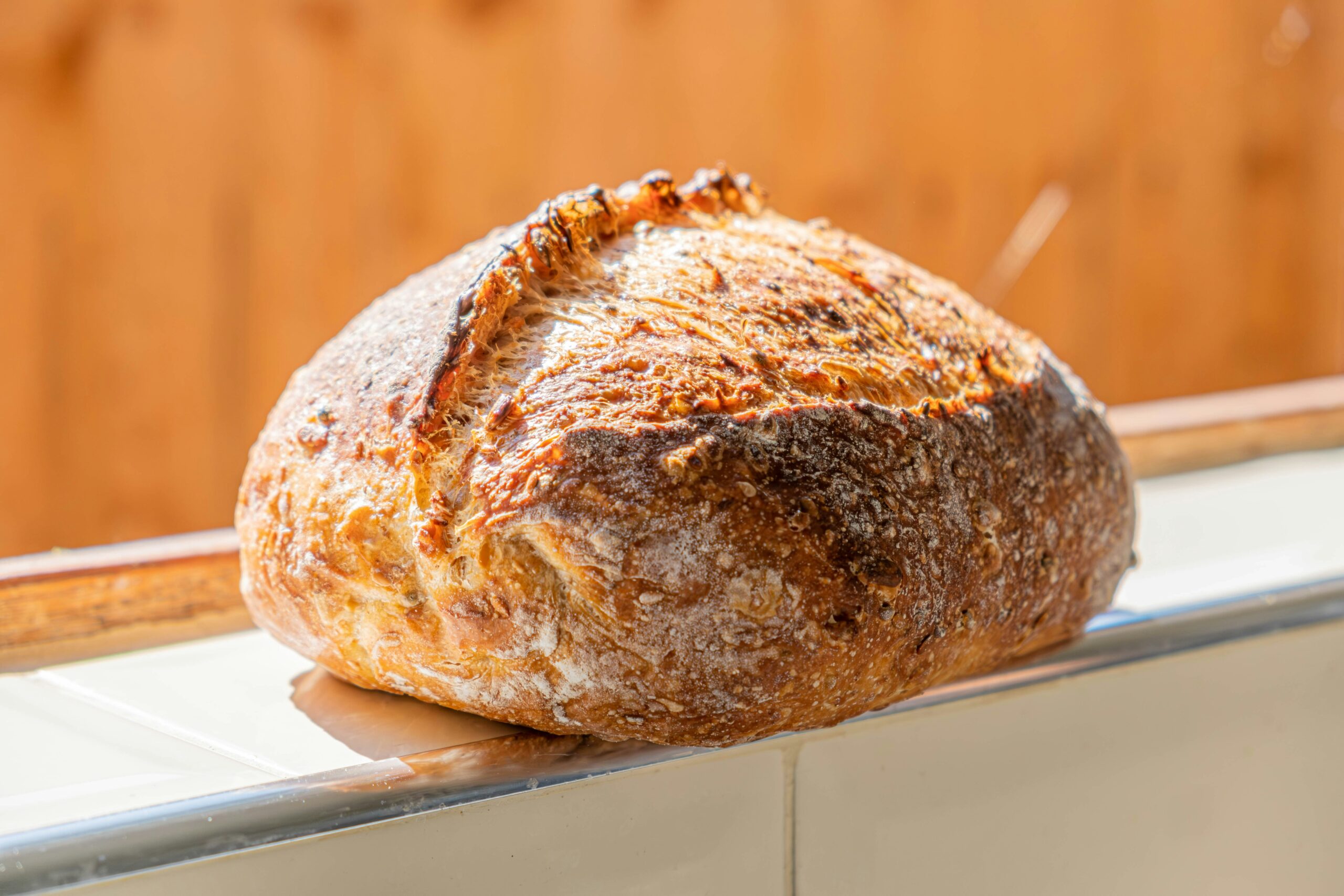
Courtesy | Unsplash
Learning to make your own sourdough may have resurfaced as a trend, but its sustained popularity indicates something far greater: The public’s movement toward holistic health. While the marketing of sourdough bread tends to focus on its gut health benefits, it overlooks one of sourdough’s greatest benefits: Its positive impact on diet culture.
The resurgence of baking sourdough from scratch has quietly rewritten the narrative on carbohydrates. By introducing a complex understanding of nutrition and holistic health to the public, sourdough bread has reintroduced high-quality and necessary carbs to American kitchens. From a nutritional standpoint, sourdough is primarily credited for its support of gut health, which comes from its fermented and prebiotic competition.
Learning how to bake your own bread began as a trend during the 2020 pandemic, when home-bakers started making sourdough en masse. At the time, baking sourdough wasn’t necessarily inspired by the nutritional benefits or fermented quality, but the activity itself. The baking process and even simply in keeping a sourdough starter alive, sparked a satisfaction and joy in bakers that encouraged them to continue. When the arduous process produced something that could be shared with family and friends, the benefits of the bread only multiplied.
Despite ever-changing standards following various fads, the demonization of carbs has had a lasting impact on the public — and the public’s conception of nutrition science. The mixed messaging and media coverage have only exacerbated this narrative, depicting carbs as the enemy.
With the rise of the Atkins low-carb diet in the late ’90s and early 2000s, our culture has been shaped by the media’s messaging on healthy food. TIME Magazine contributed several pieces promoting the anti-carb messaging prevalent at the time. The trending topic even made the TIME cover in November 1999, with the coverline “Low-Carb Diets: Meat-loving, bread-banning regimes are the rage. Do they work? Are they healthy? Here’s the skinny.”
Five years later, in May 2004, the low-carb fad was still in full swing, with TIME releasing a piece by Wendy Cole, “Is Bread Toast?” In her work, Cole highlighted the 10% decrease in bread sales in 2003, comparing the anti-carb movement to the “low-fat craze of the ’90s.” This narrative caused many people to reject carbs, as nutrition guidelines followed trends that blatantly ignored common sense and a balanced perception of food.
Since the pandemic, sourdough has quietly undermined diet culture’s depiction of carbs. Sourdough has broadened our conception of healthy food, encouraging us to take a holistic perspective. The nutrient density, digestibility, and gut health benefits of homemade sourdough bread have all been driving forces behind its sustained popularity, conveying the complex evaluation of its nutritional benefits.
The holistic health movement has shed light on the connection between nutrition and lifestyle, especially when it comes to gut health. This connection has inspired people to opt for higher quality food options, as well as make more foods from scratch, indicating a preference for quality over convenience.
And yet, none of this is really new to us. But for years, the nutrition field was led into corruption, confusing the public and projecting misinformation. Ultimately, by prioritizing common-sense nutrition science — and listening to our gut — sourdough’s popularity highlights that the average American is done accepting lifestyle advice that promotes imbalance.
There will always be another new diet trend. Whether it’s anti-carb, low-fat, or high-protein, diet culture relies on the corruption of nutrition science — even when the cost is public health. Within this framework, sourdough’s lasting popularity is a true feat, and explains why it has become such a staple in the past few years. Because its benefits are rooted in nutrient density and holistic health, the value of sourdough won’t be undermined by the next trend. And now, instead of demonizing an entire food group, we can appreciate it. Because at the end of the day it’s truly just a loaf of bread.
Gabrielle Johansson is a senior studying politics.
