
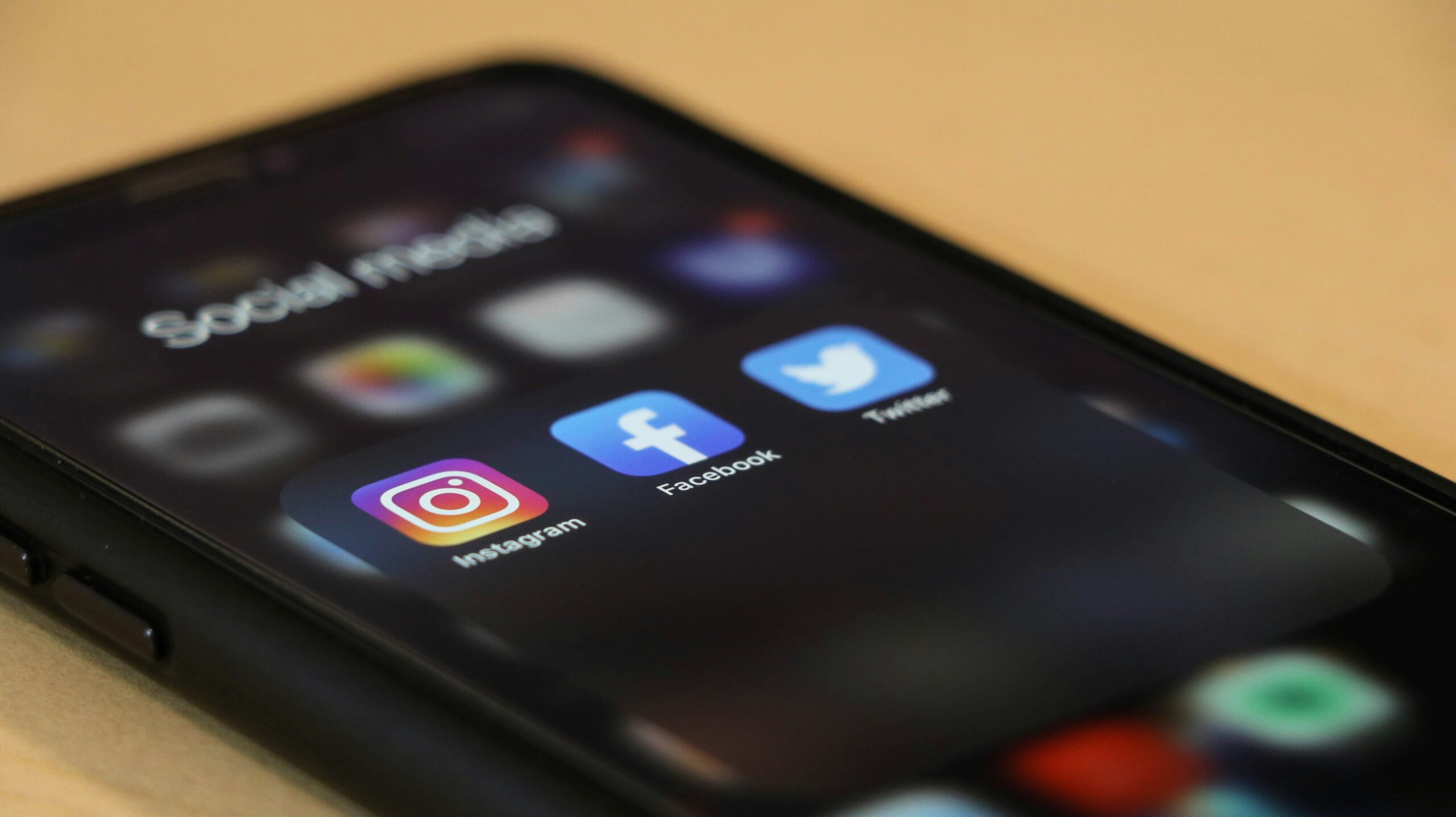
Courtesy | Unsplash
Social media has its uses, but shaping our political and religious beliefs should not be one of them. We’re better off speaking face-to-face.
The structure of social media guards us from uncomfortable ideas that challenge our assumptions and the people who hold them, but these discomforts are what we need to develop our convictions well.
When was the last time a debate on X helped you understand your opponent’s perspective, or an Instagram reel challenged one of your deepest assumptions?
I doubt you can remember.
The social media platforms where an increasing amount of our public discourse takes place amplify messages you already agree with — especially those that make you angry and demonize your opponents.
To know the truth and confidently live it out, we must know the “why” behind what we believe. This requires challenging our assumptions and wrestling with alternative bids for the truth. Social media shelters us from these essential challenges.
Studies in moral psychology at Princeton University have revealed that we engage far more quickly with emotionally-charged and inflammatory messages online than with rationally measured ones. Social media algorithms only exacerbate this tendency, amplifying the most provocative posts.
Programmers have testified that algorithms on platforms like Facebook, Instagram, YouTube, and X are designed to feed us more of what we already believe. These algorithms reinforce our own biases and reflect our assumptions back to us. They present a world in which our existing beliefs are obviously correct and those of our opponents are indefensible, stupid, or perhaps even evil.
Research has established that people act with less restraint online. This tendency, known as the online disinhibition effect, is a result of the very nature of online communication: You are anonymous, you face no immediate reaction to your words, and you are speaking to people you don’t know. You can say whatever you want, avoid uncomfortable questions, and spew vitriol at the disembodied entity you’ve come to believe is stupid and evil.
Our beliefs are deeply connected to our identity. Truly meaningful conversations where we learn and grow can only start once we each recognize each other’s dignity. When we don’t, the result is more hatred.
In contrast to online conversations, face-to-face conversations force us to see our opponent as a person rather than an avatar. Sitting across from another or walking alongside them, we see someone like ourselves: someone with pains and hopes, a story, scars, and dignity. It’s far harder to cuss someone out while eating dinner with them than on Reddit.
Speaking face-to-face, we’re also forced to confront tough questions we’d scroll past online. When asked a question over a meal, one can’t simply scroll down. In real life, one is forced to challenge assumptions we’d rather let rest, face facts we’d rather ignore, and come head-to-head with how little we truly know.
These conversations are essential to a free society. To quote the late Charlie Kirk, “When people stop talking, that’s when you get violence.” When we speak with real people with real challenges to our beliefs, it’s far harder to see them as an enemy we must attack.
It’s easier to pontificate from a keyboard. But all who want to know the truth would do well to heed the words of Solomon: “The first to present his case seems right, until another comes forward and questions him.”
We humans hold our beliefs for far less rational reasons than we often suppose. That’s a humbling realization, but an essential one. As Socrates said, “The only true wisdom is in knowing that you know nothing.” Technology lets us ignore our ignorance, but talking with people in the flesh exposes it.
Exposure hurts. However frustrating, it is the hard road to the kind of understanding that sees past one’s own biases to any kind of truth. I don’t have the whole picture, and neither do you, but if we sit down and hash it out with patience, there’s a chance we’ll have a more complete picture at the end of it all.
Whatever one’s political persuasion or religious conviction might be, none of us have a monopoly on truth. But the more accurate the map, the less lost you’ll get, and the closer you are to truth, the better you’re able to live.
Wrapped up in a fiery debate over deportation? Sure that classmate on the other side of the reformation is a godless radical?
Put down the phone, find one of those radicals, and have coffee with them. Talk to thy opp.
Daniel Johnson is a sophomore studying philosophy and religion.
