
Courtesy | Unsplash
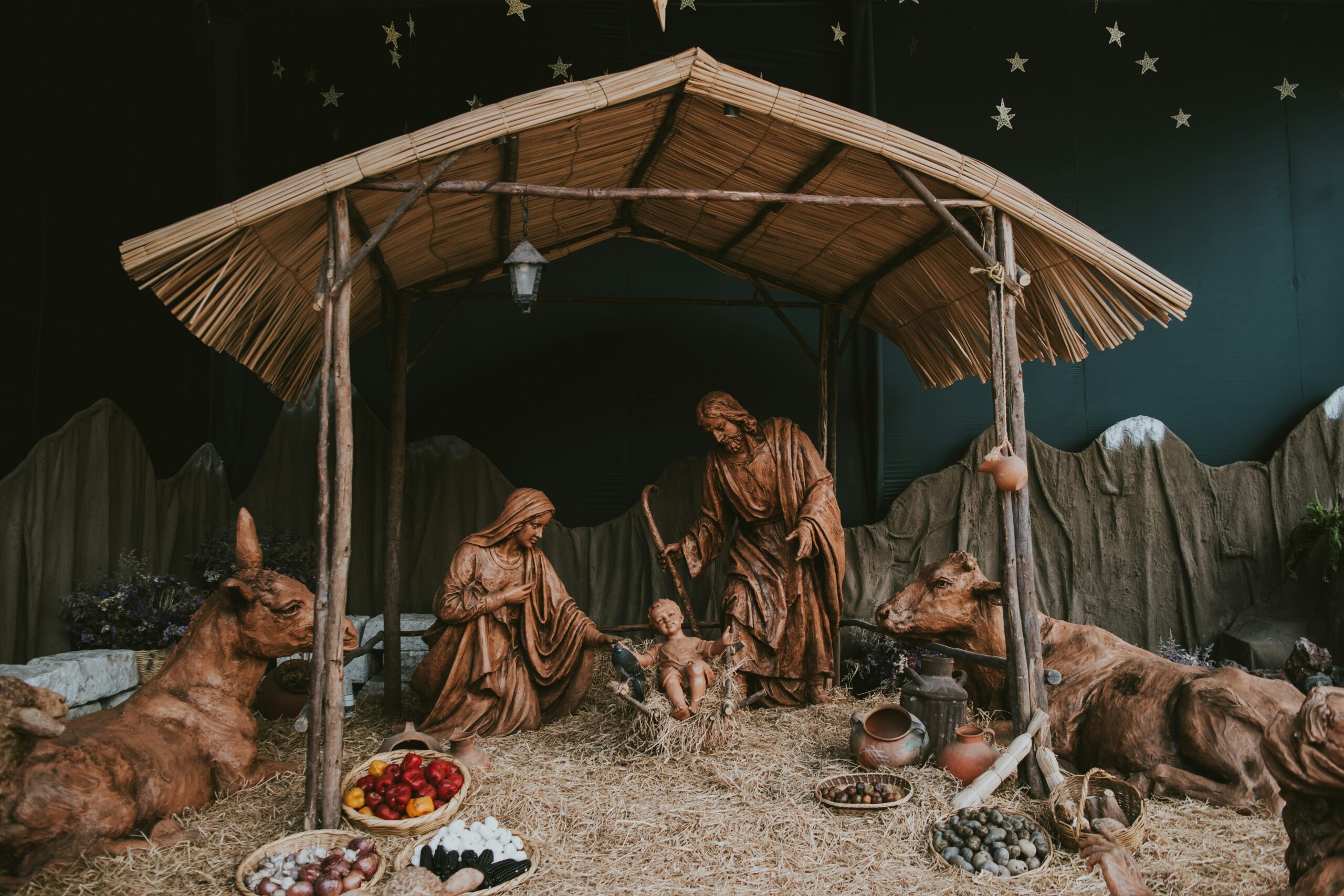
The world hates weakness. Nobody expresses this attitude better than Satan, in Book I of “Paradise Lost”: “To be weak,” he says, “is miserable.” Last Sunday, many Christians began the season of Advent, and I’ve been thinking about the weakness of the Baby Jesus. A newborn baby is so perfectly helpless. It is the central paradox of Christianity that the all-powerful God became a little human baby. And in His Incarnational mission, Jesus committed Himself to frailty. He deliberately sought out and loved the weak. He gathered to Himself the crippled, the diseased, habitual sinners, the poor, and moral weaklings like the tax collectors Matthew and Zacchaeus. It seems to be an integral part of God’s mission.
As the Virgin Mary put it in the Gospel of Luke, “He has thrown down the rulers from their thrones, but lifted up the lowly. The hungry he has filled with good things; the rich he has sent away empty.” Or as Jesus Himself said in the same Gospel, “Blessed are you who are poor.” The Greek word for “poor” here, πτωχοὶ, comes from “crouching or cowering,” and means “beggarly, distressed.” Jesus finally took this weakness to its most extreme limit in his passion and death, when He allowed Himself to be beaten, tortured, stripped naked, and crucified. The divine weakness of the Nativity finds fullest expression on the cross.
So if our divine founder embraced weakness, how are we doing? As Christians, we have an opportunity this Advent to take a moral inventory of our lives, a searching examination of conscience. Do I judge or scorn the poor, the addicted, the ignorant, the morally feeble, the deceived? What about our media intake? Do we follow or admire commentators who speak with a domineering spirit of mockery or hatred, or who celebrate political power and revenge? Are we supporting a culture war of words or of policy that seeks to dominate and crush our opponents? Finally, are we electing leaders who demonstrate Christ’s concern for the weak, the unborn, the immigrant and the incarcerated, the homeless and the mentally ill, the elderly and the disabled? The Kingdom of God is not a meritocracy, not a striving for greatness or power. This is Good News: If I am honest with myself, I too am very frail. It is true that strength rejoices in the challenge; but God, it seems, rejoices in the weak.
Kelly Franklin is an assistant professor of English.
