
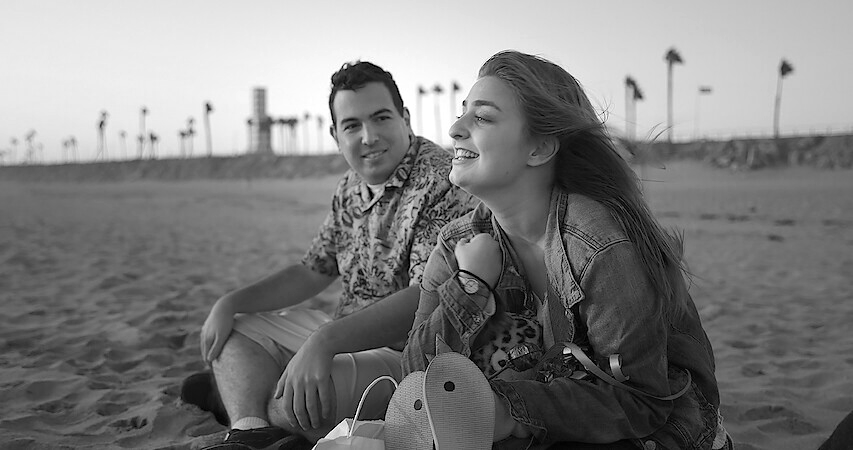
I was initially a skeptical viewer of the Emmy-award winning Netflix series. A reality TV show about people with autism dating: It sounded like an exploitative nightmare. Yet, I found myself surprised.
“Love on the Spectrum” presents the struggles of dating we all experience, neurotypical or not, within a calm editing style. Too often Hollywood portrays dating as transactional, as purely sexual. “Love on the Spectrum” instead focuses on asking deal breaker questions, creating boundaries, and making sacrifices. The show is a breath of fresh air.
“Sometimes there are people who have critical things to say about the series. But we really try,” director and producer Cian O’Clery said to Netflix. “We do have people on the spectrum as part of our team. That’s important to us.”
The director hired multiple people with autism as a part of the production team in order to ensure a respectful portrayal of the disability and low-stimulation date environments for the actors.
“We wanted to see a breadth of people, with some people that have low-support needs and some people that have high-support needs,” O’Clery said. “For us, that was the most important thing, representing that, so that people don’t make assumptions about someone just because of a diagnosis.”
The show features people ages 18 to 63 from places like Southern California, Chicago, and South Carolina. Stars from last season include couple Abbey and David, animator Dani, sword enthusiast James, and San Franciscan Steve.
Newcomers to the season include Connor, who goes to a speed dating café, Journey, who was recently diagnosed with autism, and Tanner, who works at his family hotel in Clemson, South Carolina.
O’Cleary and his team have created a mutually beneficial production for both general viewers and the autistic community. Rather than infantilize the actors, the show seeks to educate the audience on the daily lives of people on the autism spectrum while respecting actors’ privacy. Tanner, for example, highlights the importance of training programs like ClemsonLIFE, where he is a student.
Viewers can appreciate the honesty and transparency of the couples, whether it’s Abbey and David singing “Can You Feel the Love Tonight”, James admitting he doesn’t want children, or Tanner proclaiming his love for Christ.
The show gives space for the actors’ families and friends to come forward and share their hopes for their loved ones. Many express relief in seeing them date, and hope for “normalcy” while also recognizing that “normalcy” is a hard to define thing for people on the spectrum.
“Love on the Spectrum” was the first reality TV show that left me feeling happier after watching it. The candidness, disability education, and return of a positive cast make it a worthy study break this midterms season.
