
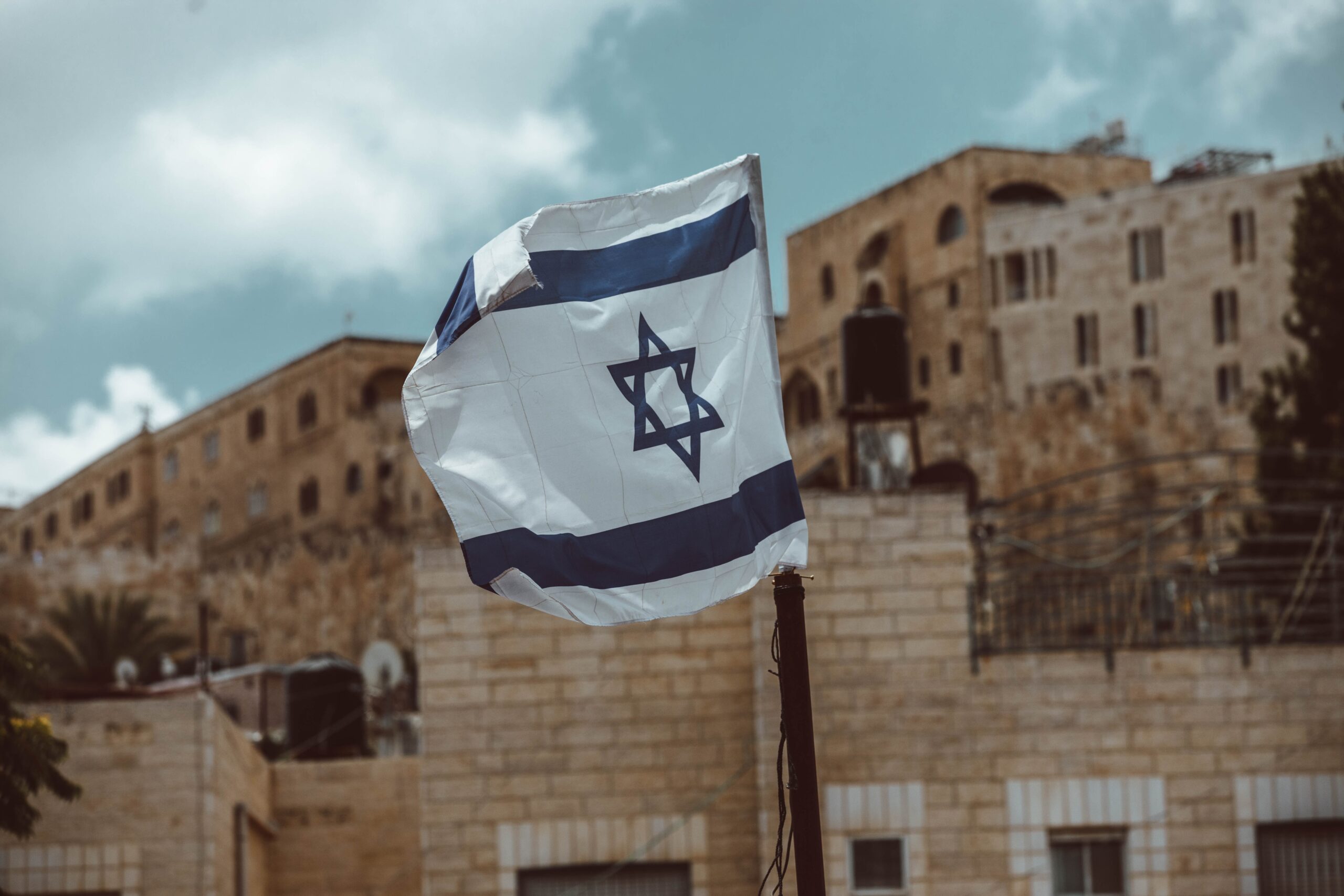
Americans are blessed not to live in a war zone, but we should be aware of conflicts on the other side of the world.
We must pay attention to what is happening between Israel and Hamas. America is a microcosm of the world, filled with immigrants from many backgrounds. One cannot ignore what happens on the other side of the world just because it does not take place in America.
International conflicts have local repercussions, including riots on university campuses, increased aggression in cities, and social media campaigns. Consider, for example, the pro-Palestinian walkouts at Princeton, NYU, or Columbia, in the past week. Alternatively, consider pro-Israeli demonstrations at Capitol Hill.
Americans are also more directly involved in the conflict than one might originally assume. In addition to the hostage crisis in Gaza, hundreds of American Israeli Defense Forces reserve members traveled to Israel in the past two weeks, risking their own lives in the conflict.
Furthermore, as the American people necessarily seek to understand a critical conflict in a tumultuous region, nothing is more important than finding accurate information.
As the conflict grows between Israel and Hamas, articles and reports saturate the media. The Wall Street Journal alone has published more than 940 articles on Israel and Hamas since the outbreak of fighting Oct. 7.
In times of crisis, it is difficult to discern the truth from propaganda. Current events provide a hopefully accurate report of the present, but that is not a guarantee. The blind fog of war limits the knowledge of journalists just as it limits the abilities of the military.
Take, for example, the Al-Ahli Arab Hospital bombing in Gaza on Oct. 17. Initial reports claimed that the hospital was bombed by Israel and that as many as 500 people died. More recent assessments, like the one conducted by the National Security Council, indicate that the explosion was the result of a Palestinian rocket, and the Wall Street Journal now reports that an estimated maximum of 300 people died.
This goes to show just how volatile the situation is, but also serves as a reminder to Americans. Journalists want to convey information to the public, but they are limited in their ability to verify that information.
By reading a variety of sources, Americans can better grasp what actually happened, even if they don’t like what every source reports.
Americans should also try to understand the context of the conflict. It is easy to heroize and demonize the sides of any conflict, and the decades-old Israel-Hamas conflict is very complicated.
That said, if Americans fail to understand the context, then they will never understand the conflict. Take some time to study the history of Israeli-Palestinian relations, whether through the Council on Foreign Relations’s Conflict Tracker, or another source. Look at the first Arab-Israeli War of 1948, the Oslo Accords, and the Abraham Accords, just to name a few key landmarks in Israeli-Palestinian history.
Examining the context of the Israeli-Hamas conflict will allow Americans to better judge the current events portrayed in the media.
