
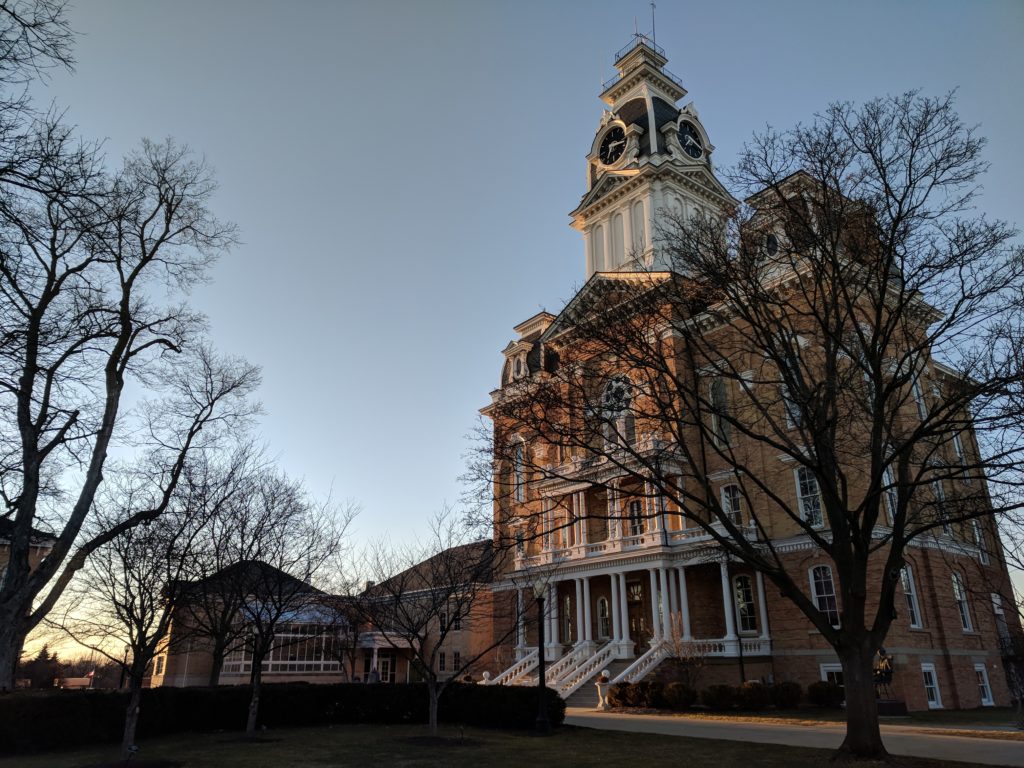
Every seven years, professors take a leave from professorial duties, spending time on an ‘intentional sabbath’
On the seventh day, every student scrambles to submit papers and discussion posts. But in the seventh year, professors receive a break from deadlines and grading to take a sabbatical.
Every seven years, professors choose between a half-year or year-long sabbatical. Sometimes, the timing may shift according to departmental needs, but in the end they always receive time for intentional sabbath.
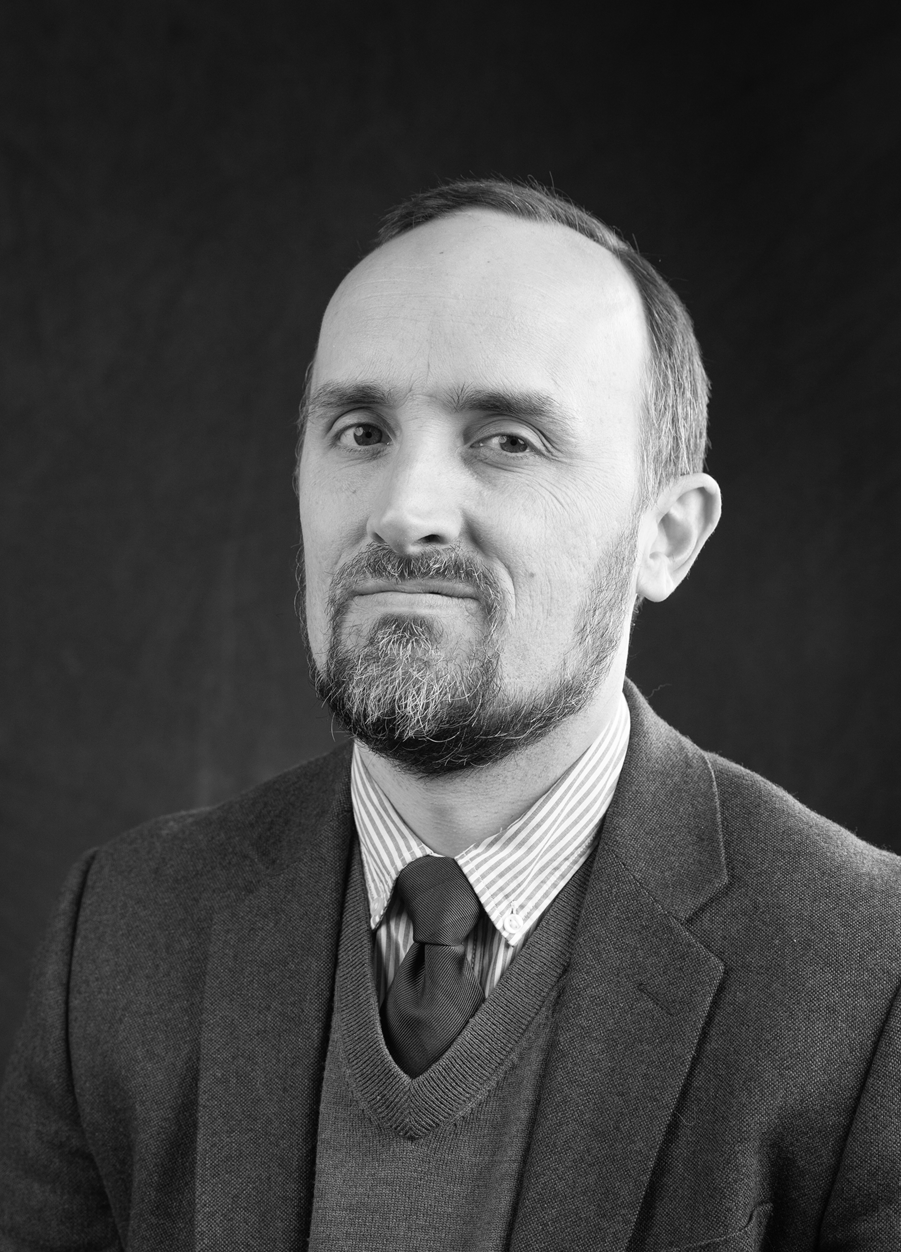
In Associate Professor of English Dwight Lindley’s case, he opted for just a half-year of sabbatical in 2019.
“During my sabbatical, I had all these writing plans,” Lindley said. “I did publish some articles, but my wife was pregnant with twins and gave birth that spring.”
The twins joined an already large family, so Lindley is no stranger to raising kids. But the new dynamic demanded a lot more attention and help around the house.
“I always said it’s like how you can dribble a basketball just fine,” Lindley said. “You can dribble between your legs, you can run while you’re dribbling. But if somebody gives you two basketballs, you might be able to dribble them both at the same time if you’re really careful and skilled, but for most normal people, like me, it was really hard.”
While anticipating the birth of his twins, Lindley wrote as much as he could before they arrived.
“I knew after that writing was going to be curtailed, which sounds like I’m complaining, but I think it was really providential that I had a sabbatical then, when we were having twins, because I don’t know how we could have done it,” Lindley said.
Though some professors hardly step foot on campus during their sabbatical, Lindley came into his office every day to write.
“Whenever I could, I worked here, just because my house is a hive of activity,” Lindley said. “There’s not a secure place you can go to get away from people. Sometimes in special circumstances, I would put on shotgun ear protection and go to a hideaway desk in my house.”
During his sabbatical, Lindley and his wife took a vacation away from the family for the first time. Because of increased family time and flexible schedules, coming back from a sabbatical is a hard adjustment for some, but for Lindley, it wasn’t too difficult, he said.
“The difference between my life and I think a lot of people’s lives is that it’s hard for me to imagine my life as a lounging-life, resting on the weekends and during sabbatical. It’s just impossible for me,” Lindley said. “It’s just not the cards that I have drawn. Of course, it’s my own choice. The life that I have and have made for myself is not a life of a lot of leisure and I’m happy that way. I’m glad that I have a lot of children and that I have to fight for every little bit of time to write things.”
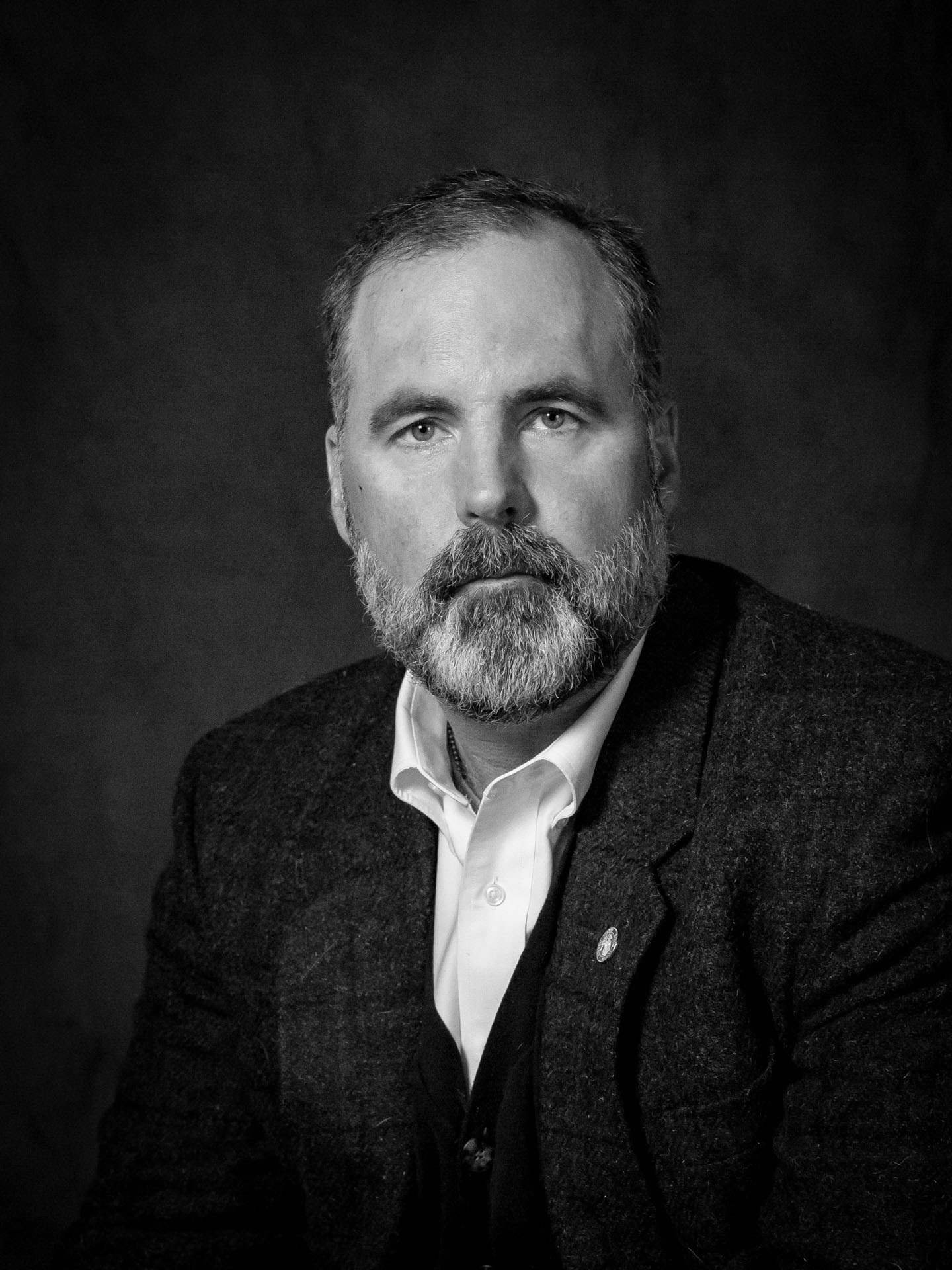
Associate Professor of Management Peter Jennings, who is currently on sabbatical, chose to take a full year away because of a sizable research project.
Jennings spends his time researching Hillsdale College and the Civil War, developing a book on the topic and creating new classes for a military leadership minor. The college introduced a military history minor this fall, and the new leadership minor will complement it, he said.
“Hillsdale College had significant Civil War experience. More than 500 of our students served. It’s quite a story that taps into the founding of the college,” Jennings said. “The anchor class for the minor is going to be this Hillsdale College and the Civil War class. Tentatively, I’m calling it Hillsdale Honor.”
The research project began with Arlan Gilbert, a former history professor who died last year. Gilbert taught from about 1960-2000, Jennings said, and initially began the Civil War research.
The Jennings’ befriended Gilbert when they bought his house. Before he died, Gilbert encouraged Jennings to continue his research.
“He gave me all of his remaining papers that he had from his research,” Jennings said. “He was very excited to have somebody pick up where his work left off. I’m very honored to pick up that mantle from him.”
At the start of his sabbatical this past summer, Jennings made a trip to Gettysburg, Pennsylvania, where he mapped out every place Hillsdale students fought. Fifty-one students fought at Gettysburg, and two died, one of whom was buried in the national cemetery where Lincoln gave his Gettysburg Address.
“I knew all of our kids and their regiments and I spent the whole week just walking the battlefield and going to where our students fought and where some of them died,” Jennings said. “Now, I’m putting together a Hillsdale College at Gettysburg Battlefield tour. It’s just incredible to walk that ground and go to the exact place where our kids fought and died.”
Jennings plans to create a summer session class that will include one week of learning about the battle at Gettysburg, a second week spent in Gettysburg walking the grounds, and a third week learning about the legacy of the battle.
Amid his new class work and research, Jennings said he is grateful for the freedom in his schedule, where he can focus on just two things: working on research, and working outside in his yard.
“Probably the best thing is you’re not beholden to any schedule,” Jennings said. “You don’t have to be anywhere at any time. You have a year to yourself. I can just stay here and work and research and then just go out and work outside and work a little bit. That freedom is worth a lot.”
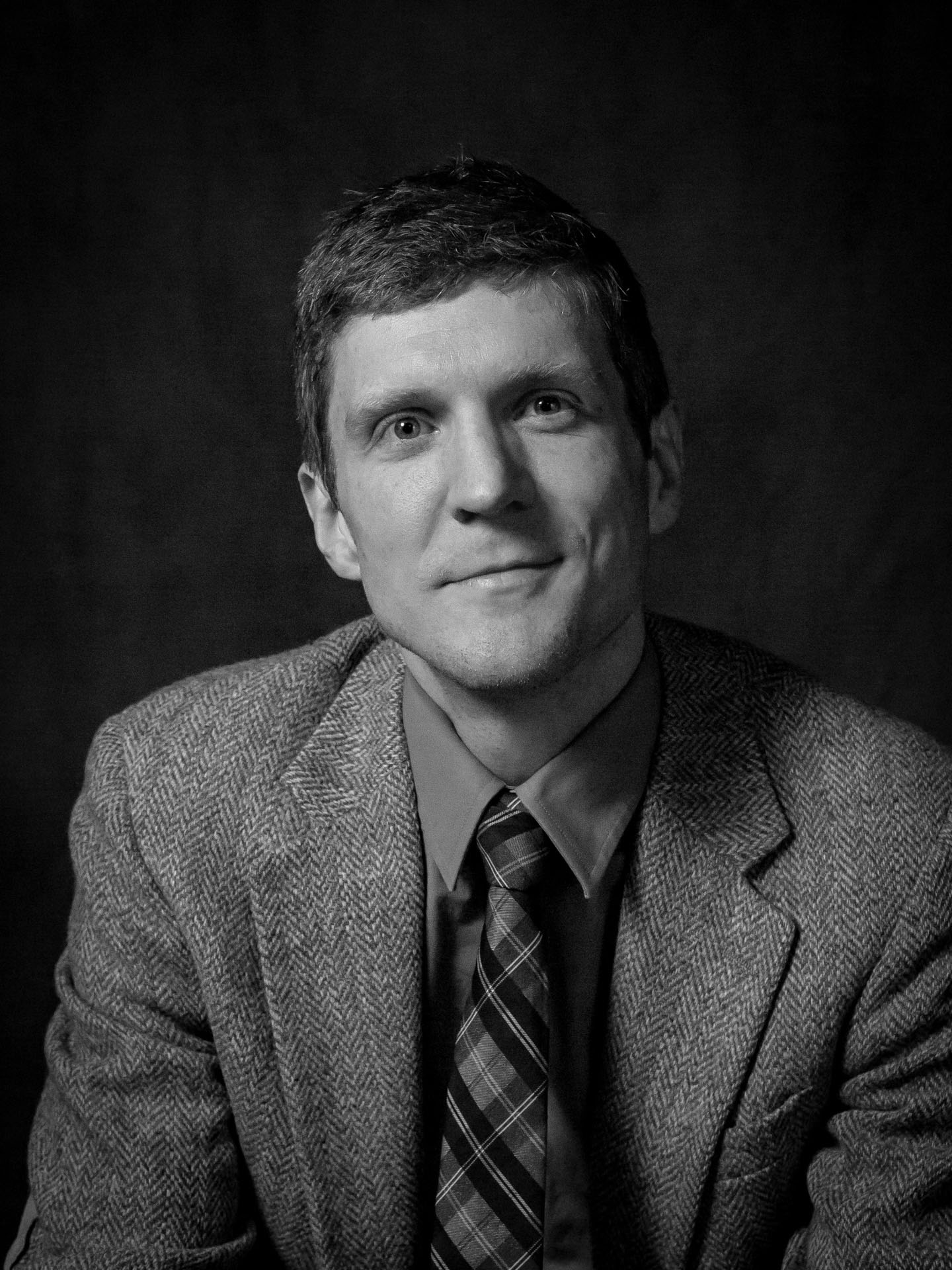
Last year, Kelly Franklin, associate professor of English, also experienced the restful freedom of sabbatical during his time out of office.
Franklin also took a full year off, but it began with a change of plans, he said. Originally, he had applied for a fellowship in Spain and planned to go there for the semester, but when he didn’t receive the fellowship, his plans abruptly changed.
“It would have been exciting but disruptive to our family to move to Spain for six months, or even a few months,” Franklin said. “What’s interesting and surprising about sabbatical for me is that it was actually a season of discovery, rather than a season of productivity.”
Although Franklin said he accomplished lots of writing and work, the best result was something else.
“The primary fruit of it was actually this realization that I have spent a lot of my years here trying to be somebody else, trying to be any one of my colleagues who have their own gifts and talents. It was over sabbatical I realized, it’s OK to be me, and that I have these other things on my soul to do,” Franklin said.
After this realization, Franklin said he completely took off with writing during his sabbatical. He wrote a ghost story in the fall semester and then began translating and writing original poems in the spring.
“I heard this voice in my head in the spring that was like, ‘This isn’t important work. What you’re doing is not important work.’ And I just had to recognize that that voice was untrue and that it wasn’t from anybody,” Franklin said.
During his sabbatical, for the first nine or 10 months, Franklin wondered if he could ever realistically write full time instead of teach.
“I was like, ‘I think I could do this forever,’” Franklin said. “I certainly flirted with that idea if there was a way that I could write full time. But by the end I didn’t want to do that anymore. There were all these discoveries of what I want to do and also a rediscovery of how much I love teaching.”
Now that Franklin is back from sabbatical, he said he’s incorporated writing into his daily life more than ever before, writing for 15-20 minutes almost every morning. Rest is harder to incorporate into a busy academic schedule, he said.
“My friends the first couple months of sabbatical were like, ‘Kelly, you look different.’ Not just because I was wearing different clothes,” Franklin said. “It was something about my posture, body language, and face that expressed a little bit more rest, freedom, peace.”
Franklin suggested seeking out ways to rest in our everyday lives, which will look different for everyone.
“It’s a very great privilege to get a year off. That’s just unimaginable in almost any career. I would encourage everybody to find a way to create sabbath opportunities in your life,” Franklin said. “We need that period of rest if we’re going to then go out and do the work that’s on our soul to do.”
Lindley described the essence of sabbatical more simply.
“There’s a funny thing that Dr. Smith talked about during a sabbatical. It’s like going into the sabbati-cave, referencing the old Batman movies,” Lindley said. “He would always say, ‘’If you need me, I’ll be in the sabbati-cave.’”