
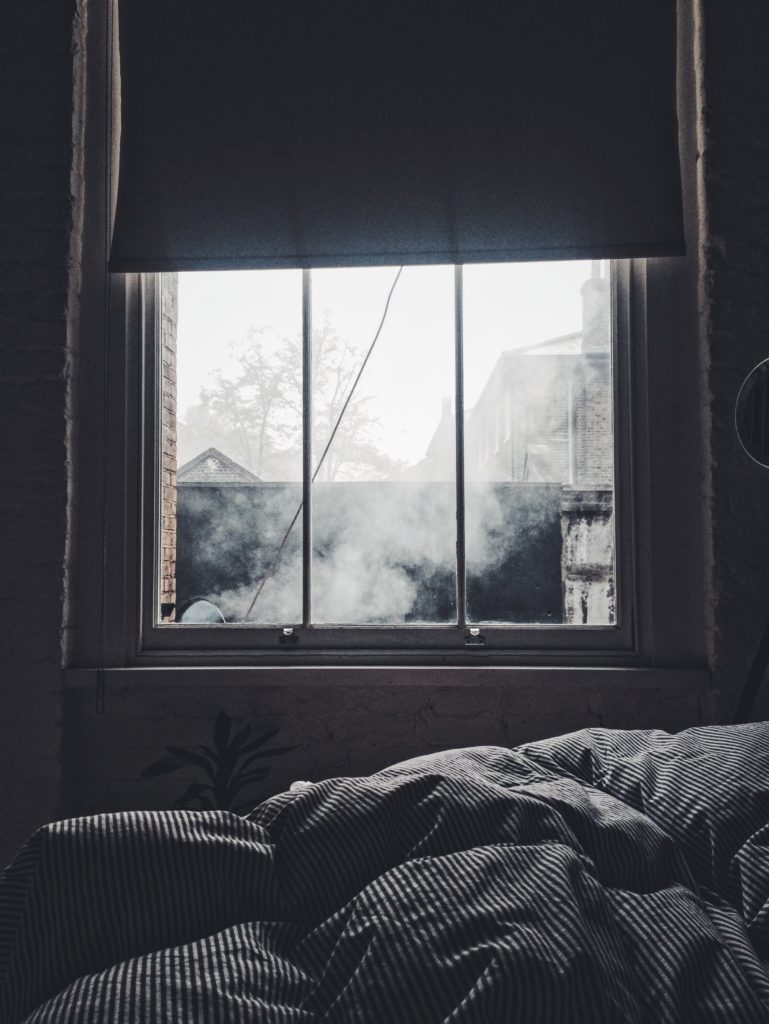
Perhaps you should have emerged from bed, recycling the weeklong drudge of get up, get dressed, get ready. Go up the hill, show up for classes, study. But you stayed cradled in your sheets because it was the weekend — I know you’ve done this at least once because we all have — so I offer to you a piece of advice regarding this Saturday slumber: embrace it.
Leisure, unprogrammed downtime, is a hallmark of civilized society. We engage in activities for their own sake, not for any benefits they afford, because we value our happiness. Our ability to transcend work and spend our time creatively is one of the things that makes us human. Animals recreate, of course: Otters wrestle and slide down rocks like water park attractions. Elephants caress and chase each other while bathing in mud. But leisure offers us more than pleasure. We pursue what we love in our spare time because it makes us happier and teaches us to live fuller lives.
One hundred some years ago, George Eastman invented the Kodak camera and founded the Eastman Kodak Company. A history-changing entrepreneur has no time to squander, but Eastman spurned his long work hours to spend months at a time traveling Europe. A friend described him as “absolutely alcoholic about music” after he spent six days in New York City visiting a dozen different operas, theaters, libraries, and museums.
“What you do in your working hours determines what you have,” Eastman told his employees. “What you do in your play hours determines what you are.”
Rather than defining themselves in the off-hours, high-achieving people (I’m looking at you, Hillsdalians) are prone to suffer from a common malady: relying on work and personal performance to derive meaning from life. Twentieth-century philosopher Josef Pieper argues as much in Leisure: The Basis Of Culture.
“Leisure is only possible when we are at one with ourselves,” Pieper says. “We tend to overwork as a means of self-escape, as a way of trying to justify our existence.”
Leisure, however, is not important merely as a means to define and refine us. It also serves a counterintuitive function: boosting our productivity. It may be tempting to work harder to achieve more, but studies show this plan can backfire. We call this burnout.
The Academy of Management Review calls it a “stress syndrome,” and I call it sitting in Purgatory, staring at your laptop screen, and willing your brain to process cohesive thoughts while your right eye starts twitching. Burnout is linked to depression, according to the APA, and depression, by nature, retards output. Leisure, then, offers a solution to anxiety, cynicism, and emotional drain. A change may be as good as a rest, but an unplanned morning is both rest and change.
Make sure to distinguish between leisure and free time. There is a difference between frittering the morning away on Facebook, wondering two hours later where the time has gone, and choosing to spend hours on a single pursuit. Determine what you love, not simply what you don’t mind doing, in order to pursue it wholeheartedly.
It’s Saturday morning. Your blanket sweeps about you as the ripple in a pond, and your ankles clutch socks that escaped in the night. A cup, white-porcelain and chipped, fills with coffee and steams like mist in the dawn. You get up and enjoy a leisurely breakfast, or shut your eyes and curl back up in the sheets.
Ms. Fry is a junior studying French and journalism.
