
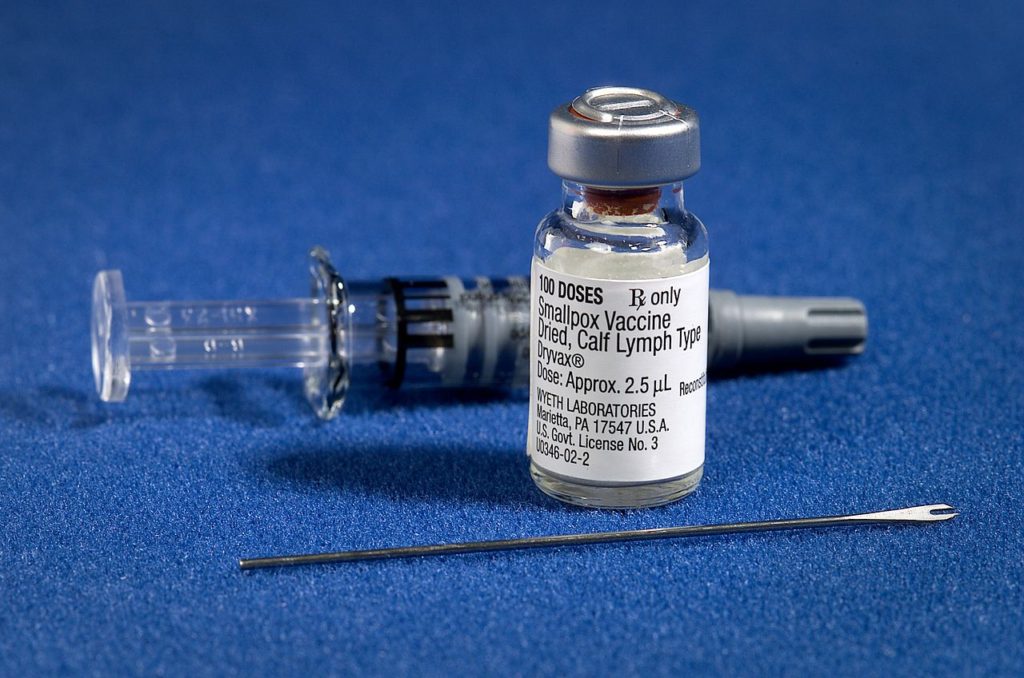
Hillsdale Hospital gave out 375 flu shots at its free flu clinic in September, up 225 from last year.
After it ran out of its 150 flu vaccines for last year’s clinic, the hospital brought 500 vaccines to give free to Hillsdale College students as part of its community outreach.
“I like people to get their vaccinations before they go home for Thanksgiving,” College Nurse Carol Drews said. “We typically see our first cases of flu in December and January, February, even as late as March.”
Even though vaccines are, in general, only 80 percent effective, Drews said she recommends getting the injection because of the living environments on a college campus.
“Flu can travel six to eight feet in a cough or a sneeze, and as much as staff wants to clean, sneezes can live on surfaces for eight or 10 hours,” Drews said, adding that common student habits — eating poorly, not getting enough sleep, and maintaining high stress levels — can all weaken the immune system.
The college, however, doesn’t require students to get the flu shot or other vaccines.
“Of course, at Hillsdale, we support their right to choose,” Drews said.
Although the college encourages students to get vaccinated for preventable diseases such as polio, measles, mumps, meningitis, and others, students can submit a waiver form.
Professor of Biology Frank Steiner helped Julia Kosco ’16 complete a senior research project concerning attitudes toward vaccines on college campuses. As a part of the work, Kosco surveyed Hillsdale students in the spring about their backgrounds, vaccine use, and attitudes toward vaccinations.
“The overall riding conclusion of her survey was that the more education a student had, the more informed they were about their attitudes toward vaccines,” said Steiner, who had received the flu vaccine nearly every year, since he began teaching at Hillsdale 31 years ago. “I don’t think it’s so much about the emphasis here being positive or negative. It was more about the relationship of the background of students to their attitudes.”
There are a variety of reasons someone might choose to not get vaccinated, including health, moral, and religious reasons.
Sophomore Annette Kempf participated in a debate in class last year on the topic. Although she said she isn’t anti-vaccine, she made that argument in the debate, though she said it didn’t convince her.
“One of the arguments that the anti-vaccine movement pushes is that a lot of the diseases people are being treated for, people don’t get anymore,” she said. “But the reason that these diseases disappeared in the first place was because everyone was getting vaccinated for them.”
One argument, however, did make her pause.
“Some vaccines are made partially from fetal cell lines,” Kempf said. “They collected the cells that they needed; they just produce more from that. I can see how some people’s conscious would be affected by having their kids get vaccines or getting vaccines themselves.”
“If they were aborting a new baby every time they needed to get the cells, then I probably wouldn’t have vaccines,” Kempf said.
Vaccinations made from aborted fetuses’ cell lines are typically for Hepatitis A and rubella.
Only dead flu vaccines are being produced this year, Drews said.
“They take flu strains that have caused illness in other parts of the world, kill it, and remove the proteins,” Drews said. “Your body recognizes those proteins. We introduce just a little bit of that in a flu shot, so your body builds an immune defense to the flus that we anticipate will trend.”
In her class, Kempf debated sophomore Mitchell Moutard.
“I personally believe that moderation is the best rule,” Moutard said. “I think anything with medicine, too much of it is a bad thing. And yet, saying that all vaccines are bad is not logical.”
Moutard, however, pointed out that because vaccines are part of an industry, there is a possibility they can be driven by business, not health.
“The fact that it’s an industry causes them to do a lot of research, but it also gives them reason to hide things that may be dangerous,” Moutard said. “There’s a lot of money involved in it. Even though they’re really intelligent people, they may see things that are wrong but not really want to talk about it because it’s their job and their livelihood.”
Regardless of what people believe, Drews said she wants to ensure students are making an informed decision.
“I am unashamedly pro-vaccine, but we honor everyone’s choice,” Drews said. “I just like to do education and have people really understand the choices they’re making.”
Although Drews said she supports vaccines, she added there are other ways to avoid becoming ill.
“I think the biggest thing we can do is not to forget prevention, which is getting adequate amounts of rest, control your stress as best you can, eat in a well-balanced way, and remember to wash your hands,” Drews said. “We can work together and keep campus healthy.”
