
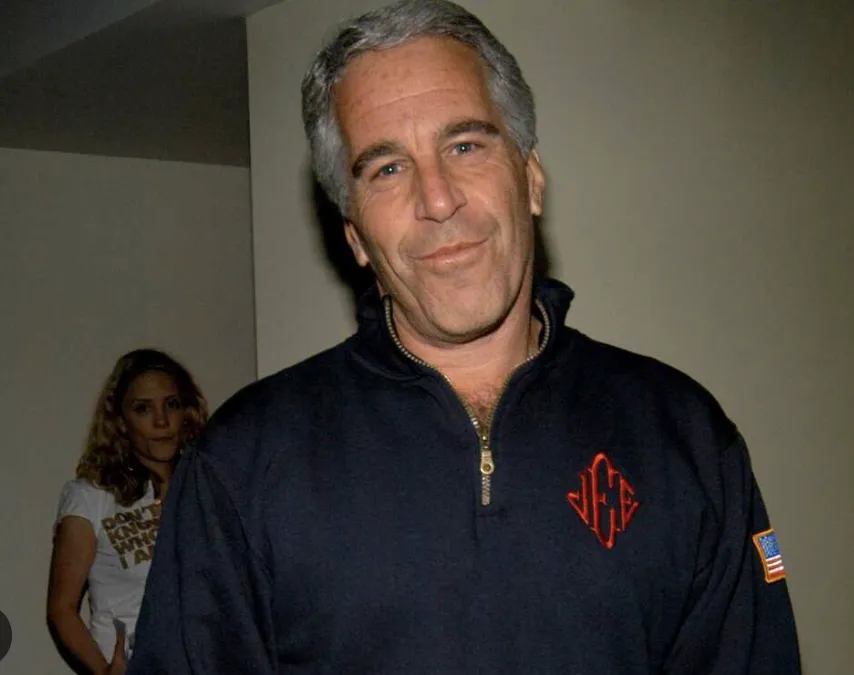
Convicted sex offender Jeffrey Epstein died by suicide in his cell on August 10, 2019. Courtesy | U.S. Department of Justice
Imagine you’re scrolling through Instagram Reels: First, you see a Steph Curry highlight. Next, Jeffrey Epstein and Ghislaine Maxwell with a trending song. Then, a European travel reel. After that, Epstein lying on a bed with a child. And, finally, a “Stranger Things” edit.
No, this isn’t a dystopian fiction. It’s the reality of social media for millions amid the Epstein scandal. While we can raise awareness of the files and demand accountability from political leaders, we must caution ourselves against the danger of consuming Epstein-related content on social media: Algorithms desensitize us to the reality of his crimes.
After the U.S. Department of Justice released more than 3 million pages of documents related to Epstein on Jan. 30, the files flooded social media in a wave of commentary, memes, outrage, and conspiracy theories.
Allusions to Epstein’s crimes — including references to sexual assault of children and even torture — have become more visible than ever. But online publicity of the files comes with consequences for their viewers, too.
After the release, my Instagram algorithm began showing me more of Epstein, from artificial intelligence-generated memes to Minecraft edits. Thinking it was a one-off thing, I rolled my eyes and continued scrolling.
But it didn’t stop. Within minutes, a few brief interactions with Epstein-related posts had filled my feed with content not only of Epstein himself, but also photos and videos of his victims and alleged accomplices from the new files. And worse: This content simply mixed with other interests of mine that the algorithm had already procured, like movie scenes and basketball.
My case is only one of several million. Because of personalized algorithms, this is the reality of social media for people globally after the latest wave of files hit the internet.
Allowing our algorithm to blend heavy, nauseating revelations about Epstein’s crimes with standard entertainment can desensitize us and distort our perceptions of the scandal entirely. It takes only a brief interaction with a certain type of content for the algorithm to try to keep you hooked. One view of an Epstein video can make it pop up everywhere, alongside travel reels and stand-up comedy bits.
As a report by Psychology Today puts it, “The more news headlines we see, the less we care.” When exposure to distressing news on social media increases, the report finds that people’s emotional and behavioral responses decrease — that is, they become numbed.
While news of tragedies, crimes, and scandals can still move us emotionally, it is much harder to do so through Reels or TikToks, where absent-minded swiping can reduce critical thinking and in-depth analysis. Rather, repeated exposure causes fatigue, which can ultimately result in numbness. In the worst cases, people create unnecessary memes about heavy subjects, neglecting to treat them with the gravity they deserve.
This is the problem with the Epstein files’ newfound publicity on social media. This scandal deserves critical thought that social media, which prioritizes low-effort and short-form consumption, cannot provide. Much of the content about Epstein is well-intentioned and seeks to inform and educate. But the mental effort we ought to devote to the files cannot be properly accommodated by platforms designed for instant gratification.
We should feel outraged by the files and have cognitive and emotional responses to the abominable revelations within their pages. If anything, we should preserve and defend our righteous anger against any numbness, apathy, or cynicism toward the scandal. But to do this, we must avoid Epstein-related content on social media and regulate our intake of entertainment and information in such a way that tells our brains they are separate things.
On Instagram, a new button added to the top-right of the Reels menu, indicated by two lines with hearts, allows users to block certain keywords such as “Epstein” from their feeds. It doesn’t work perfectly, but it’s a major step against desensitization. If that fails, you could simply delete the app. After all, Lent is coming.
But, for those of us who care enough about uncovering the truth — or who simply have the stomach for it — we ought to take a deep study of the files for ourselves. While we can start to learn more about Epstein through social media, it would be better to set down Instagram, turn off the podcasts, and find out what the files say for ourselves. Whether through a trusted news site or on the DOJ website itself, search for the truth somewhere designed for serious study.
It is very common to feel powerless against the forces behind Epstein’s crimes. Neither political party has offered an immediate solution to tracking down and locking up Epstein’s clients. Although the DOJ released millions of files and Congress continues to subpoena former Epstein associate Ghislaine Maxwell for further testimony, many Americans don’t feel they are being told the entire truth behind Epstein. I certainly don’t.
But, despite this lack of control, the last thing we can afford to be is desensitized. Above all, we still have power over our minds — the power to regulate our consumption of information and entertainment as two strictly separate things. Maybe the moment we find that balance is when we start to view Epstein as more than just a trending name on X.
Elijah Guevara is a sophomore studying history.
