
Courtesy | Unsplash
After more than 2,800 days of formal learning over my 21 years of life, I will soon accept my diploma and say goodbye to teachers, homework, classes, and essays — likely for the rest of my life.
As someone who has loved being a student and is not pursuing graduate school, this is a big shift. I will be leaving a vocation that has brought me so much joy. But thankfully, my education didn’t prepare me to be skilled at graduating from college — it prepared me to educate myself in the real world.
Now my fellow seniors and I are going to have to accept a new challenge that is not talked about enough: We have to relearn how to learn.
At the beginning of freshman year, Hillsdale College promised us that our education would teach us to love the higher things, learn how to think, and love the pursuit of a good life. As a second-semester senior, I’d say I received what was promised.
Yet sometimes the classical liberal education mantras make it seem like, once we graduate from Hillsdale, we will retain our newfound desires and skills for the rest of our lives, with no additional effort.
But if we expect to remember what we have learned here in 10 years without the practice of applying it in our post-grad life, we’re kidding ourselves.
Preserving our education outside an institution will require self-directed or active learning — a type of education that requires a person to set her own goals, motivate herself, and make her own assessments.
A Hillsdale curriculum, much more than other college curriculums, encourages students in this self-directed learning, but we still follow a list of course requirements, learn material from a professor, and complete required assignments. Once we graduate, this guidance will be gone, and it will be up to us to craft our own curriculum.
This type of learning is a part of the inheritance of the Western Tradition. Many of the great thinkers — John Milton, Benjamin Franklin, C. S. Lewis — read books for hours each day in pursuit of self-directed learning.
Studies have shown self-directed learning has many benefits. According to a 2023 article in the journal Thinking Skills and Creativity, self-directed and problem-based learning methods increase critical thinking skills.
But the task of self-directed learning requires a plan and motivation. As a result, unlike in formal education, in which learning unfamiliar subjects helps develop discipline, adult self-directed learning should be driven by personal interests — which for a Hillsdale grad, should hopefully be directed toward worthy subjects.
But sometimes figuring out where to start learning is the greatest challenge — so here are five suggestions for things to always be learning in your life.
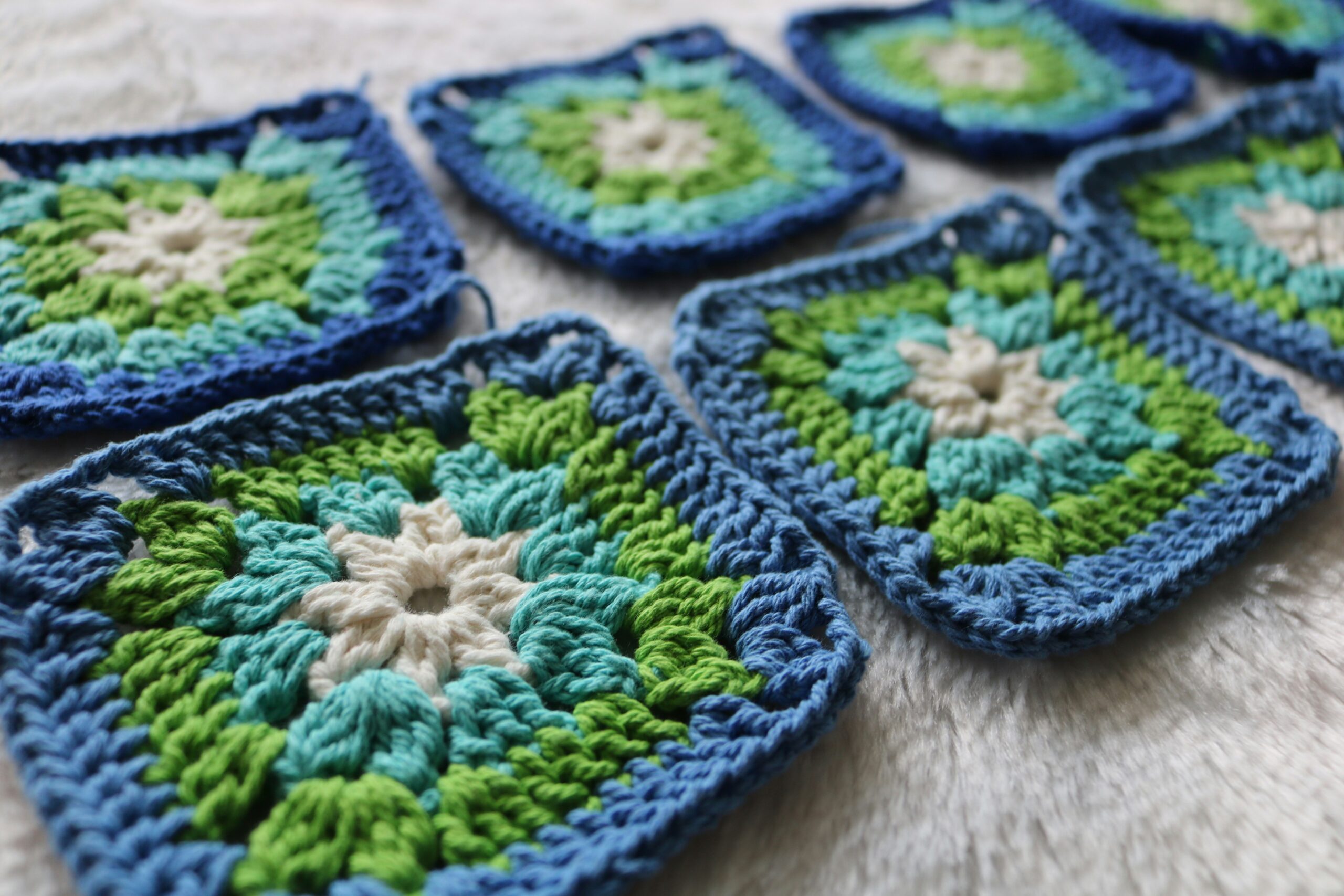
First, learn something completely new. When someone asks me what I am most looking forward to doing after graduation, sometimes I say crochet. I had never crocheted seriously before last winter break, but after making a baby hat for my future niece or nephew, I was “hooked.” Trying a new skill has taught me a greater appreciation for the homemade arts and has challenged my patience. Whether it’s yodeling or programming, everyone should pick something new to learn after graduation.
Second, learn something in your specialty. While it’s great to try new things, there is also an importance to choosing one or two fields in which to pursue excellence, even when it gets hard. For many graduates, their career will determine their expertise, but it does not have to. I’m hoping to return to my piano after years of neglect and get really good, even if it is just for myself.
Third, learn something related to your faith. I’m not just talking about reading your Bible more — that’s obvious and should be done anyway. But how are you going to learn more about God in a way that helps you love him and his word more? Whether it is Greek, apologetics, church history, hymns, or writing Christian fiction, there’s a way for you to learn about what you believe.
Fourth, learn something that improves your health. I’m sorry to say that one Physical Wellness class won’t ensure your lifelong fitness. The best way is to find a thing you love that will also encourage your health — a new sport, a pet that requires daily walks, or Wii Fit (hey, it worked for middle-school me). As someone who prefers doing schoolwork to physical exertion, this has been hard for me, but I’ve discovered I love swimming.
Finally, learn something that brings you closer to other people. A few years ago, I learned how to play the extremely nerdy collectible card game “Magic: The Gathering” (I think I may be one of 10 women worldwide who know how to play) to spend more time with my then-boyfriend. While I originally did it for his sake, now I look forward to playing it with my now-husband on a weekly basis, and it has brought both of us a lot of joy. Shared skills and interests create deep friendships and relationships, so invest time into learning something that brings you close to another person, or even something that will help you create a community in your post-college life.
Eleanor DeGoffau is a senior studying physics.
