
Courtesy | Unsplash
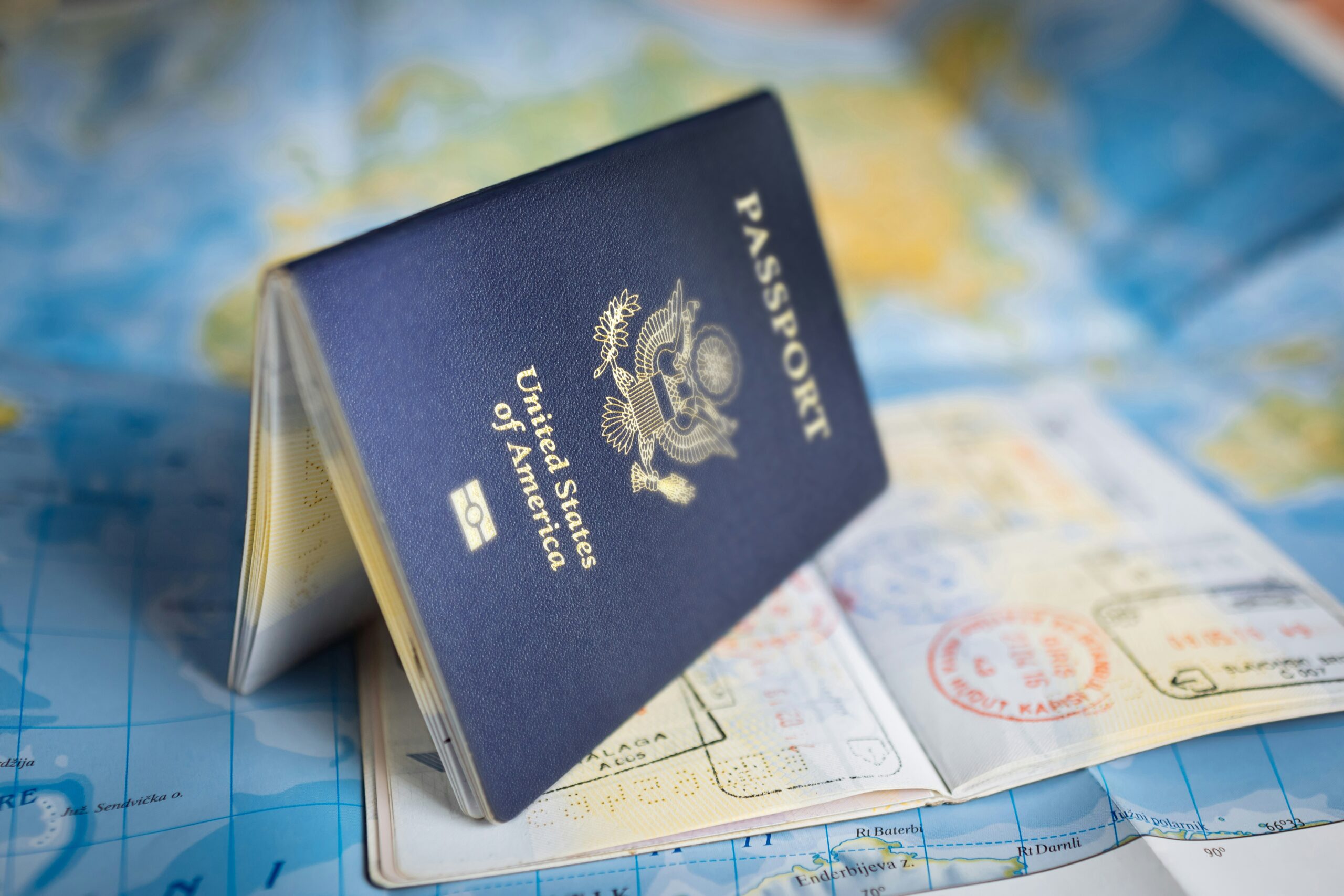
The Department of State, under the guidance of President Donald Trump, announced earlier this month a temporary pause on immigrant visa issuances from 75 countries — including Afghanistan, Iraq, and Somalia — to review vetting procedures.
America’s immigration system is far from perfect, but admitting large numbers of people without thorough review only compounds its existing flaws, straining resources and undermining public confidence.
As an immigrant, I know firsthand how complex and demanding the process can be. When my family moved to the U.S. from India, my parents navigated countless obstacles to secure passports and visas. We waited in long lines and spent many hours completing paperwork — all while knowing we could be forced to leave the U.S. at any moment if my dad’s employer did not extend his work contract and sponsor our visas. It was only after 15 years of living in this country that we became naturalized American citizens.
Historically, the U.S. has denied visas to people who have a criminal record or will likely become dependent on public welfare. The Biden administration, however, treated these policies as mere suggestions and admitted thousands of people without going through the traditional vetting process. As a result, the American immigration system has turned into one that prioritizes speed and volume over maintaining standards that protect citizens. This leaves Americans to contend with preventable cases of fraud, criminal activity, and long-term welfare dependence.
“President Trump has made clear that immigrants must be financially self-sufficient and not be a financial burden to Americans,” the U.S. Department of State stated Jan. 14. “The Department of State is undergoing a full review of all policies, regulations, and guidance to ensure that immigrants from these high-risk countries do not utilize welfare in the United States or become a public charge.”
Weak oversight and enforcement of laws invite misuse. Consider the alleged Somali daycare fraud uncovered last month by independent journalist Nick Shirley in Minnesota. After visiting multiple Somali-run daycares receiving funding through Minnesota’s Child Care Assistance Program, Shirley reported finding daycares with no children present. This is just one instance of how weak immigration enforcement can invite abuse. The government should not squander taxpayer dollars through inconsistent enforcement. A well-managed immigration system can reduce such vulnerabilities.
Public safety is another key responsibility of the government. Allowing people without thorough vetting — particularly during emergency evacuations — only invites trouble by putting American citizens at risk. Since many countries do not keep good records of their citizens, the U.S. does not have a lot of data to go off of when admitting these people in the country.
After former President Joe Biden’s catastrophic withdrawal from Afghanistan in 2021, the Biden administration evacuated 80,000 Afghans as part of Operation Allies Refuge. While many evacuees posed no threat, the speed and scale of the operation limited the government’s ability to conduct comprehensive screenings.
One evacuee, Rahmanullah Lakanwal, who had previously worked with the U.S. Intelligence in Afghanistan, was indicted by the U.S. District Court on charges related to the killing of National Guardsman Sarah Beckstrom and serious injury of National Guardsman Andrew Wolfe near the White House on Nov. 26, 2025. This case shows the dangers of a rushed vetting process.
America is not the world’s savior. Like any other nation, it must balance sympathy with responsibility and prioritize the security of its own citizens. The less money spent on addressing immigration fraud and criminal activities, the more resources the U.S. can devote to creating a smoother and more efficient immigration process for people seeking to contribute to this country and make it their home.
Out of the 80,000 Afghans who came to the U.S. as part of Operation Allies Refuge, 72,550 were paroled, lacking visas, special immigrant visa status, or refugee designation, according to a report by the Center for Immigration Studies. This additional influx strained traditional screening processes and underscored the need for clearer immigration standards.
Temporarily revoking visa issuances from these countries will give the federal government the time it needs to sort out its policies and procedures. This pause will allow the government to create a system that will benefit all, with the hopes of improving visa processing times. America is a nation shaped by immigrants, but not without order and accountability.
Christina Lewis is a senior studying history.
