
Courtesy | Unsplash
Miami Heat guard Terry Rozier III was arrested last month for allegations that he participated in a sports betting scheme. Allegedly, Rozier told bettors he would fake an injury and remove himself from a game in March 2023.
The Rozier scandal reveals the ugly underbelly of sports betting. It doesn’t just affect the 25-year-old men who wager their rent money on how many touchdowns Patrick Mahomes will throw in Sunday’s game. It takes a toll on athletes and sports culture by reducing players to mere statistics.
Before the rise of sports betting, an opposing player getting injured might be an occasion to recognize your team’s increased odds of winning, but it didn’t warrant much more than that. Even the most avid fans respectfully cheered the limping player off the field while rejoicing that there was one less obstacle to victory. But that was only fervent team spirit.
Now, sports bettors who wagered their money on the underdog have good reason to leap out of their seats when an opposing player injures himself and spends the rest of the game on the bench. Their player has a better shot at getting all 12 rebounds they wagered he would and a better chance of bringing home winnings. Selfish motives, not epic rivalries or longstanding loyalties, motivate this fanbase.
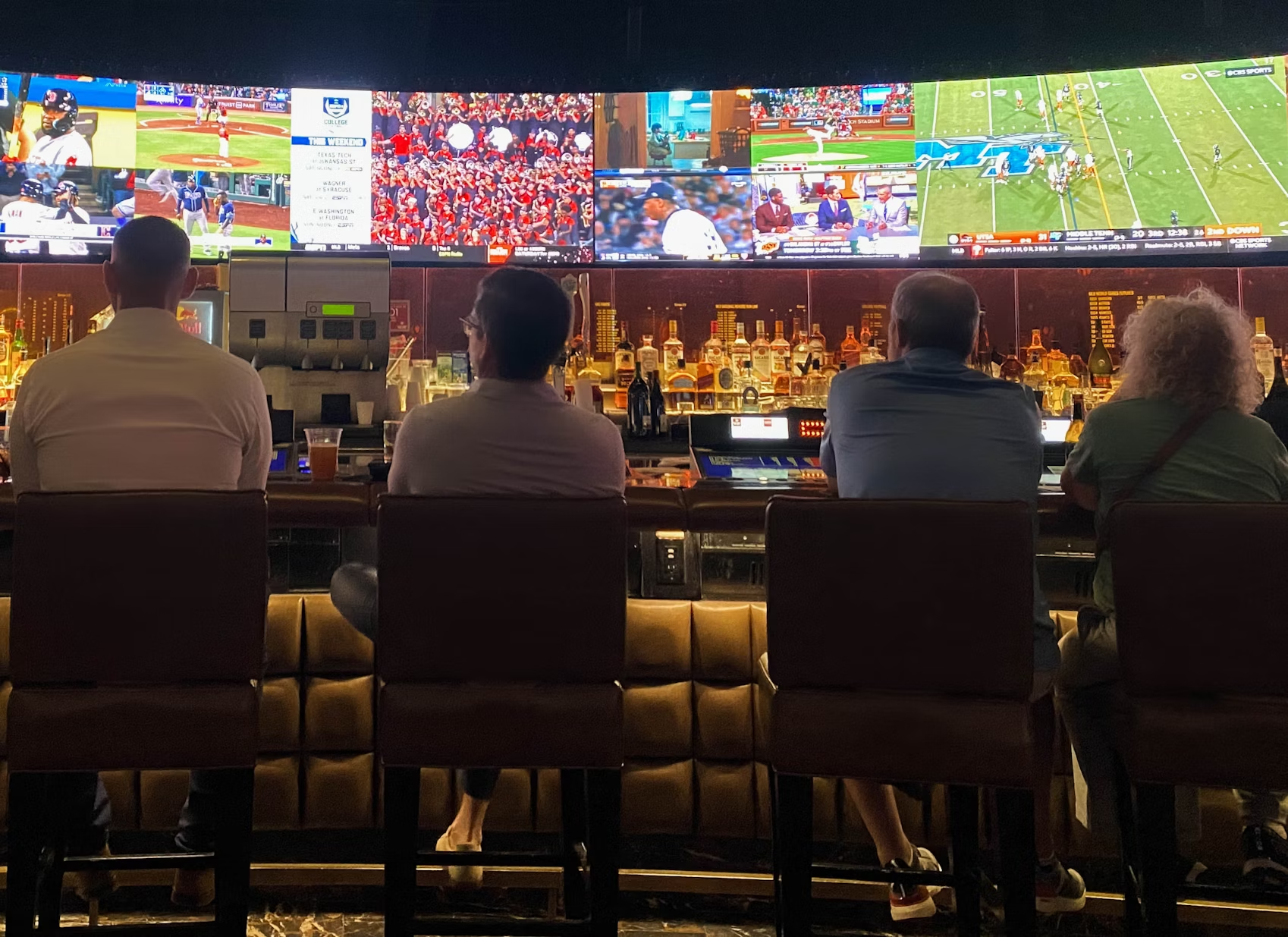
It’s no longer player against player. It’s player versus gambler. The gambler sees the successful player of an opposing team as a threat to his winnings and the potential object of a future bet. Gone are the days of supporting the Lions through years of losing records. Why hope for a failing team to scrape together a winning season when you can be the winner in your next FanDuel bet?
Sports betting is a public health crisis, according to Mark Gottlieb, head of Northeastern’s Public Health Advocacy Institute, with half of men between 18 and 49 participating in the gamble. Americans bet $148 billion on sports in 2024, which was a 23.6% increase from the previous year.
Gambling companies know how to keep the numbers skyrocketing. The gambling company FanDuel now owns the primary station that televises the Tigers, Red Wings, and Pistons, Michigan’s most popular professional teams. The number will inevitably increase — Michigan is one of 38 states that have legalized sports betting since 2018, not including the two most populous states in the country, California and Texas.
As sports betting becomes more common, athletes have more and more money staked on their every move. A single assist can mean hundreds of dollars to some gamblers. Athletes feel the pressure, too. In the 2023-2024 championship basketball season alone, athletes received 540 abusive betting-related messages over social media, including death threats.
This will only get worse. It’s time to stop treating athletes like video game characters. Recognize their prowess by good, old-fashioned cheering, not by adding them to your gambling roster. Keep your money in your pocket and save it for peanuts at the next home baseball game.
