
Courtesy | Unsplash
Critics of the president’s demolition of the White House’s East Wing need a history lesson.
Public and media criticism have taken issue with the necessity, price tag, and ethics of the demolition and renovation. But these criticisms fail to account for the circumstances of the addition and the historical precedent of prior additions.
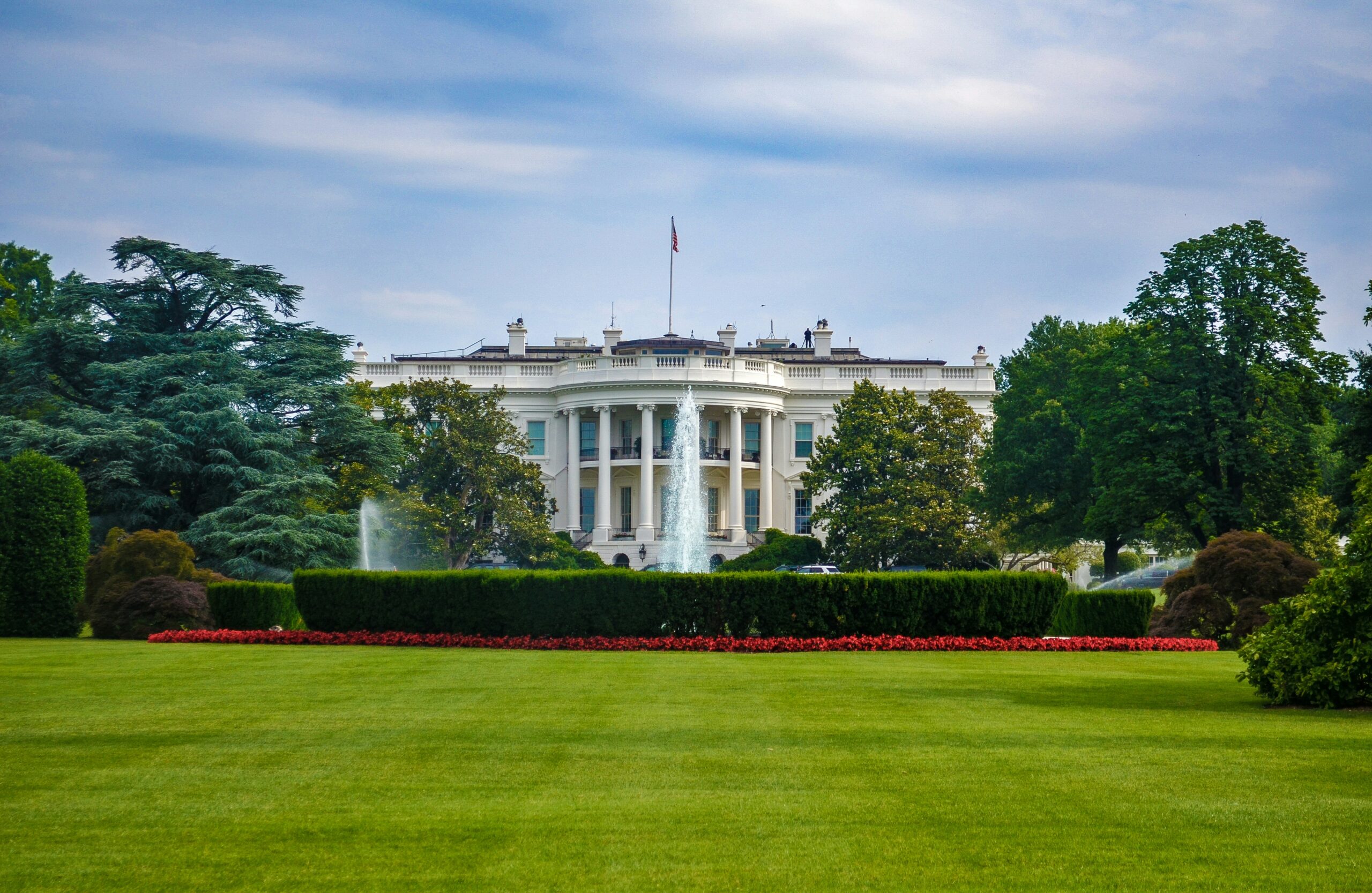
To begin, Presidents Theodore Roosevelt and Franklin D. Roosevelt built and expanded the East Wing to be a venue for housing guests. Trump’s partial demolition and addition serve the East Wing’s original purpose.
The president will no longer have to set up a big tent on the South Lawn to host diplomatic and other state meetings. The proposed ballroom is 90,000 square feet with a price tag of $300 million. It will triple the White House’s hosting capacity from 300 to 1,000 people. The larger space saves money and increases safety.
Despite future savings, $300 million is still a hefty price to pay for such a ballroom. Yet this sum has been shouldered by willing donors, so taxpayers do not have to eat the cost. Some major sponsors include the Union Pacific Railroad, Amazon, the crypto Company Coinbase, the casino Hard Rock International, and tech giants Meta and Palantir.
This has raised subsequent concerns about allowing private donors to abruptly destroy a site as historically significant as the East Wing. Worries abound that these donations are out of place and intended solely to curry favor with the president. Yet almost every monument on the National Mall — from the Lincoln Memorial to the Washington Monument — was built with private funds. Some monuments, such as the Vietnam Veterans Memorial, were funded entirely by corporate and individual donations. Previous presidents have privately funded White House renovations, such as President Gerald Ford’s construction of an outdoor swimming pool in 1975 or President Barack Obama’s modification of the basketball courts in 2009.
Private donations have funded past White House renovations, such as a recent Rose Garden beautification project. In addition, the private donors are donating to 501(c)-3 nonprofit organizations, which are then financing the private building contractors. This is perfectly legal and does not need congressional approval.
The White House is home to the most powerful world leader. Trump has the funds and resources to renovate it in order to create a venue that reflects the prosperity and power of America, and he’s willing to play hardball.
Blake Schaper is a freshman studying the liberal arts.
