
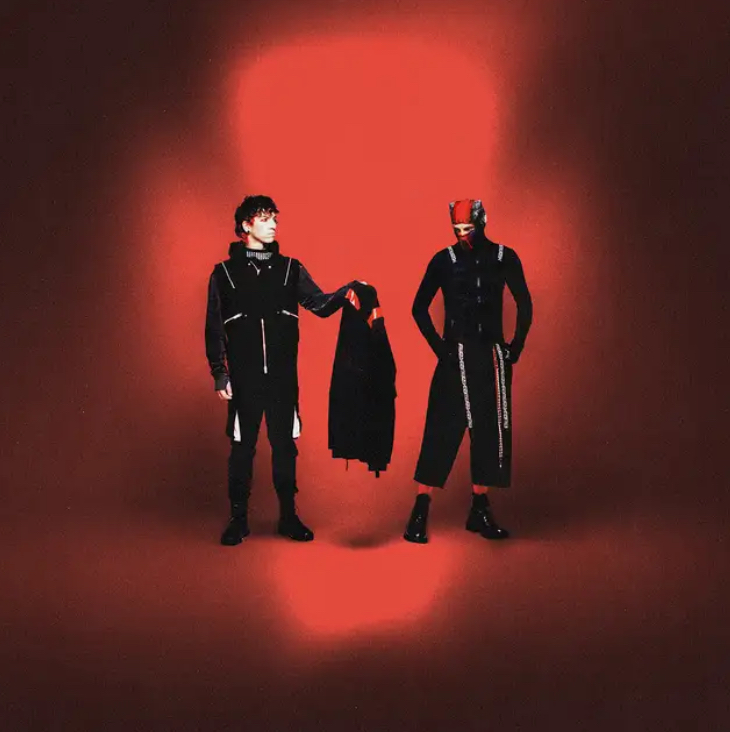
Twenty One Pilots’ latest album “Breach,” is a resounding success. In its first week, “Breach” is record-breaking and recognized for its creative excellence. Although the sounds are new and inventive, “Breach” is full of echoes from past albums, making the album both exciting and familiar.
Twenty One Pilots released “Breach” on Sept. 12 hitting the No. 1 ranking on Billboard 200. “Breach” streamed 200k units, which not only superseded the success from the band’s hit album “Blurryface,” but topped debut number from any other rock album this decade, making “Breach” the most successful rock album of the 2020s so far. “Breach” also sold 72k vinyl records, Sept. 12-18, making it the top-performing vinyl sales week in the modern era.
“Breach” is 12 tracks of maximalist rap/rock with gritty lyrics and explosive, genre-blending production. Songs range from rap-heavy, electronic anthems like “The Contract,” to moody, painful ballads like “Cottonwood.” Twenty One Pilots’ latest album includes funky songs like “Robot Voices” and a 14-year-old song called “Downstairs.”
“Breach” concludes a decade-long story that duo Tyler Joseph and Joshua Dun have been telling since “Blurryface.” The story arc in past albums focuses on the theme of repeated cycles, and consistently uses upbeat tunes despite deep, heavy lyrics, and “Breach” is no exception.
The second track, “RAWFEAR,” has a bouncy, pop-leaning beat despite its frightening title. It falls in line with the band’s tendency to write heavy lyrics alongside upbeat tunes, and includes the theme of repeated cycles. In “RAWFEAR,” Joseph says that life moves in cycles, “never slowing down.” The line “learning all that really matters is a flow and painful lesson” in the bridge indicates that Joseph reconciles himself to accept the pace of life, though he fears it.
Joseph wrote the ninth track, “Cottonwood,” about his grandfather’s death, but the song is relatable to anyone who has experienced loss. The heartfelt, haunting repetition of “you tore me up more than you know” in the bridge speaks to the pain of grief and the aching desire to tell a loved one how much they are missed.
“I look back in time through a telescope/ I’ve been catching my reflection looking” from “Cottonwood” seems to be the anthem of Twenty One Pilots’ latest album. Joseph makes sure that his listeners look back in time with him; the album satisfies longtime fans by weaving in callbacks from their previous music.
The album opens with “City Walls,” which includes a memory held by longtime fans. In the outro, Joseph screams “entertain my faith,” which is an exact quotation of an emotional lyric in “Holding Onto You,” a song from Twenty One Pilots’ second album, “Vessel.”
The lines “My tattoos only hurt when meaning fades/ I think my skin got worse with good intentions,” in the eighth track, “Center Mass,” repeats sentiments from “Doubt,” a song in “Blurryface,” which says “want the markings made on my skin/ to mean something to me again.”
By coupling old references and new beats, Twenty One Pilots succeeds in giving the new album a personal feel.
“Breach” concludes with the final track, “Intentions.” At first glance, “Intentions” is a contemplative song that hints at the band’s theme of repeated cycles: “I am starting all over again.” However, in true creative form, Twenty One Pilots wrote a surprising twist into their final track. The song reverses the piano and backing vocals from “Truce,” a song from the 2012 album “Vessel.” The songs are mirrors of one another; when “Intentions” is reversed, it plays the piano and backing vocals from “Truce” with impressive clarity.
In the lyric “I look back in time through a telescope/ I’ve been catching my reflection looking,” in “Cottonwood,” Joseph seems to say that in hindsight, he can see that his sights have always been set on this ending. The callbacks laced throughout the albums bounce the listener back and forth from past to present, inviting fans to look deeper and speculate what meaning each callback contributes to the new songs.
