
Movies used to signify something special and permanent. My earliest movie memories were of watching old Disney titles on VHS tapes with my siblings, or laughing at how a scene in “Cars 2” would glitch at the same spot every time because of a scratch on the DVD.
For many in Gen Z, this was how the movies of our childhood came to life: Through Disney flicks passed from generation to generation, DVDs marked by nothing but the film title scribbled on with a Sharpie, and TV reruns.
However, cinema, as a physical and memorable experience, just doesn’t exist now as it used to. Now, films have been forced to become part of an unending stream of digital entertainment that can be accessed anywhere, 24/7. While major studios and the culture at large can be partly to blame, the moviegoing experience has become this way due to the audience’s destructive movie-watching habits. But it can just as easily be undone.
Unfortunately, the film industry has adapted to a world in which we watch thousands of Instagram Reels and TikToks without really thinking about them. Movies have become ephemeral, unremarkable, and ultimately, disposable. Compared to the constant dopamine that short-form content offers, cinema might even be second-rate.
Movies didn’t just become this way on their own. After all, the product very regularly mirrors the consumer. Every time we choose a new streaming subscription over a theater ticket, prioritize
convenience over a new experience, or support big studios that repeatedly fail in reboots or relevant social messaging, we aren’t just incentivizing cinema to continue losing to the new digital landscape — we’re practically begging for it.
Now, I’d be lying if I said I swear by VHS tapes and get my daily playlists from anything other than Spotify. But there is still something seriously missing from the cinematic experience today that previous generations got right, and we all know it.
If we want to reserve a special place for film in our culture as not just fleeting entertainment, but as an art form worthy of experiencing the right way, we must recognize our significant role in shaping cinema into what it is and what it will become. To begin steering it in the right direction, we have to start with our own habits.
For starters, don’t treat movies like YouTube Shorts. Invite people over rather than watching that film on your phone in bed. Or, for just once, trade out the phone for a Bluetooth projector outdoor movie night or a drive-in theater.
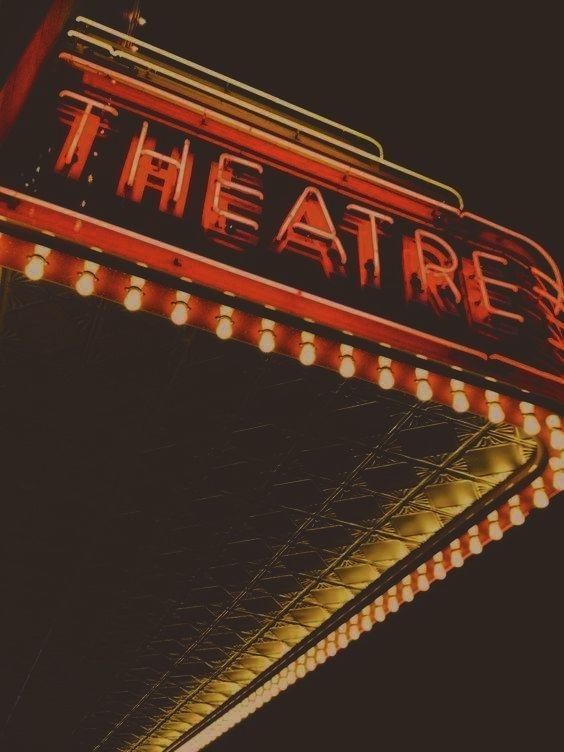
Reserve certain movies for specific times of the year. For me, “Dead Poets Society” bleeds autumnal, but “Top Gun” shouts summer. Spend some extra money to see a film in concert with a live orchestra instead of watching it at home. Tell the big studios “no,” and cancel your streaming subscriptions. Or, simply bring your friends to our very own UEC Theatre here in Hillsdale or NCG Cinema in Coldwater, like the men and women of old.
In other words, don’t doomscroll cinema — savor it. Experience it. Watch a movie without being on your phone and then finish it well by resisting the urge to immediately Google the actors or director when the credits roll. Sit with a movie after it’s ended. Feel and take hold of it, allowing the film to stew in your mind without making it just another piece of short-lived entertainment.
After implementing small habits like these to guard cinema against becoming another form of endless consumption, you might find that movies should have always been set apart from other digital entertainment and wonder why we didn’t preserve them as such in the first place. We might even start to rediscover what was so special and memorable about movies before.
Although film releases have been bleak lately, the future of the moviegoing experience is still in our hands. It won’t start with just protesting out-of-touch studio priorities, but by our decisions to intentionally and habitually uphold an art form that we’ve nearly lost.
