
Over the last decade, too many companies have swapped their signature looks for so-called “blanding.” Tech giants like Google and Spotify, as well as prominent fashion houses such as Burberry and Yves Saint Laurent exemplify this phenomenon. Many companies have also streamlined their visual logos beyond fonts, as evidenced by the Pringles mascot’s gradually disappearing facial features or the near-complete lack of 3D figures in modern branding. Most of these changes happen quietly and with little controversy.
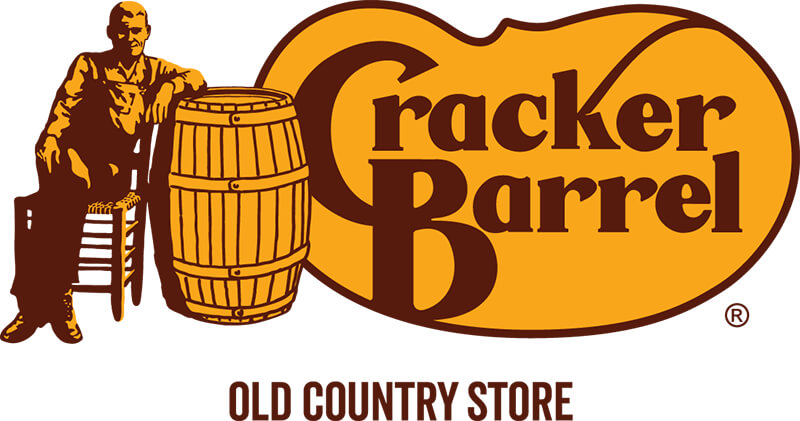
But last month, American restaurant chain Cracker Barrel drew backlash for replacing its beloved Old Timer logo with a more generic logo. The new logo presented a simplified typeface on a flat yellow polygon vaguely shaped like a barrel, removing the iconic “Uncle Herschel” character leaning against the eponymous barrel. The updated logo lacked Cracker Barrel’s iconic rustic charm and immediately upset many fans upon release. The chain also unveiled a newly streamlined interior design for its stores that drew equally harsh criticism. Consumers were apparently unwilling to put up with a cheap, cash-grabbing rebrand. These changes made national news overnight and took social media by storm, with customers complaining that the new logo felt lifeless and lacked the homespun spirit of the brand.
At first, Cracker Barrel leadership attempted to double down amidst the surge of negative response. A statement released to USA Today described the backlash as that of a “vocal minority” and affirmed that the changes were being positively received by their customers.
No amount of corporate optimism, however, could speak louder than the numbers. Within a week of the logo change, Cracker Barrel’s market share dropped by almost $100 million. Already in dire financial straits, the chain hastily reversed the change.
Even though Cracker Barrel repealed the logo change, its attempt at rebranding revealed the company’s true colors. By being so quick to strip its brand down in an attempt to broaden appeal, Cracker Barrel demonstrated a disturbing faithlessness to its customer base and core identity.
Logos are important, after all. They represent the essence of a company. A company that strips its logo of character becomes faceless. Combined with the minimalist redesign of the restaurants, Cracker Barrel’s gutting of its brand destroys all the things that make it special. Without the rustic, cluttered aesthetic, the consumer gains nothing exceptional from the dining experience. After all, mediocre food can be had anywhere. There’s no particular reason to choose a Cracker Barrel over an Applebee’s if they all are the same on the inside. As a result, the popular characterization of the rebrand as “brand suicide” is apt.
While branding is an important aspect of a company’s identity, some level of function ought to be present alongside the form. Research shows Cracker Barrel already trails in food quality, value, and other more important facets of the dining experience, AP News reported. Cracker Barrel leadership is keenly aware of the brand’s shortcomings, with CEO Julie Masino admitting that Cracker Barrel is “not leading in any area” within the food service sphere.
If Cracker Barrel’s leadership is insightful enough to recognize that, it’s telling that the first inclination is to dump resources into marketing. Indeed, it’s probably easier to pump cash into branding than improve the chain’s food or customer service. In the past, the complacency of the American consumer meant a quick fix like a logo change might be enough to boost business. Now that consumers have demonstrated an unwillingness to accept cheap rebrands, Cracker Barrel and similarly struggling corporate entities will have to consider more substantive solutions. While the failed rollout of Cracker Barrel’s logo may seem inconsequential on the surface, it indicates a more significant notion: American consumers are learning to raise their standards.
Isaiah Sasser is a freshman studying the liberal arts.
