
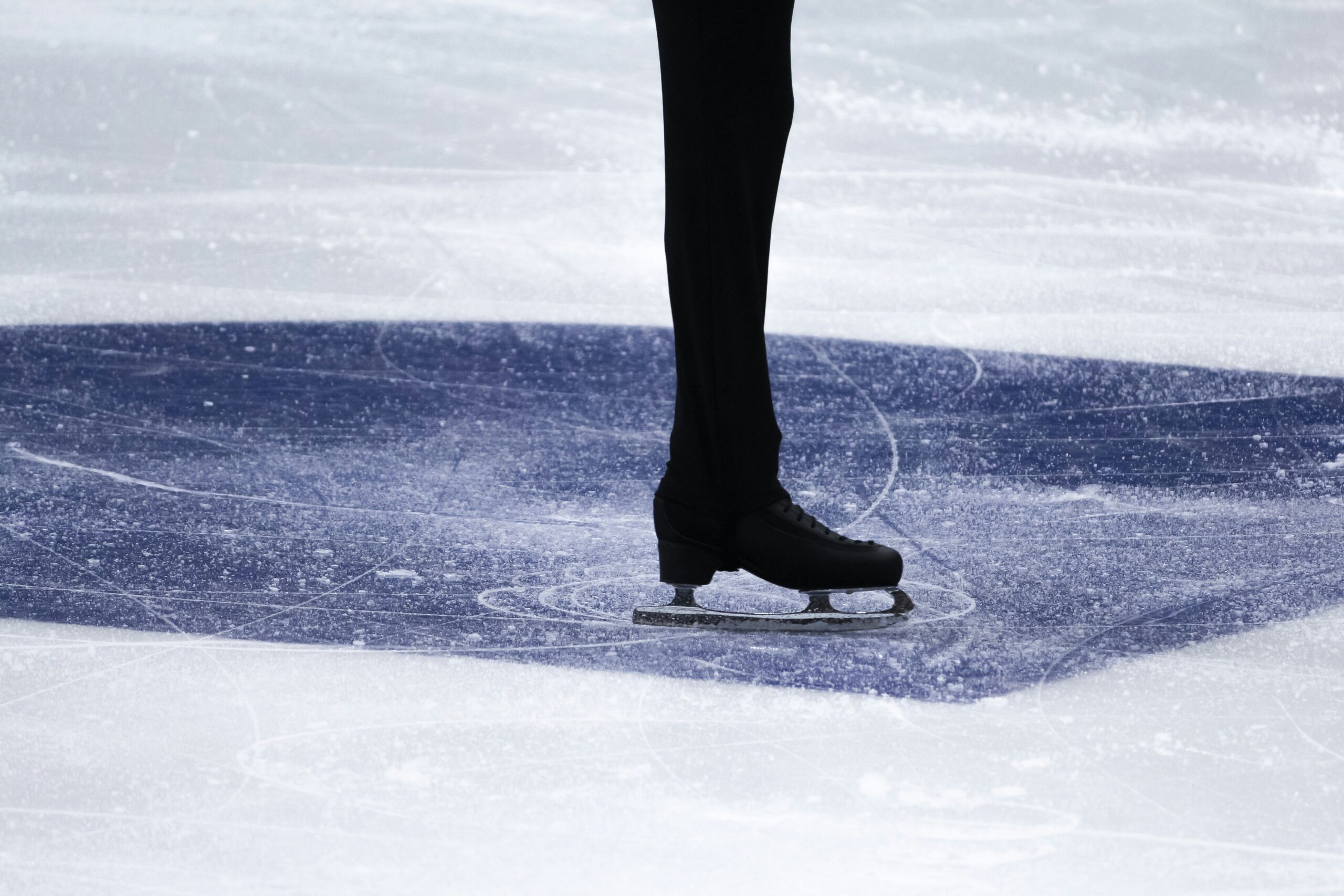
When a twenty-year-old figure skater landed a backflip on one foot earlier this month, he marked the one year anniversary of the backflip’s return to the rink. Ilia Malinin, reigning U.S. and world figure skating champion, inspired several other athletes to train the stunt after he incorporated it into his routine in the 2024 Lombardia Trophy.
Malinin showed what can happen when athletic governing bodies loosen their rules: His trick became permissible only two years ago, when the International Skating Union lifted the ban on backflips. Other sports should follow its lead and bring back the banned stunts. Let’s see the double flip in cheerleading, the Korbut flip and curtain vault in gymnastics, and the Detroiter in figure skating.
After American Terry Kubicka successfully landed a backflip in the 1976 Winter Olympic Games, the ISU banned the move because it was too dangerous and did not follow the figure skating standard of landing on one skate.
In the 1998 Winter Olympic Games, French figure skater Surya Bonaly fell during her routine, eliminating her chance of winning a gold medal. In the remaining minutes, Bonaly intentionally violated the rules and performed a backflip, landing on one skate, undermining the ISU’s reason for prohibiting the move.
Bonaly received a deduction for performing a banned move and was the last figure skater to attempt a backflip in the Olympics.
Although Bonaly’s score would not have been much different without the penalty, she should not have lost points for completing an athletic feat that followed the guidelines of figure skating.
Athletic committees overstep their bounds when they ban certain moves from sports because of a perceived risk. If athletes are willing to attempt a trick, they should not receive a penalty for undertaking a challenge. If anything, judges should award athletes for pushing their bodies’ limits and expanding the range of a sport.
Artistic sports such as figure skating, rhythmic gymnastics, and competitive dance demand an openness to innovative feats. They’re performance sports intended to show the strength and beauty of the human body. That’s why they’re often performed individually: It’s easier to observe athleticism in a single body.
Ball sports are different — teams need hard and fast rules to remove as many complications as possible. The point of the game isn’t to look impressive: It’s to score.
But in artistic sports, coaches and athletes design routines that emphasize the particular strengths of an athlete. The genre of routine music, style of dance, and type of stunts are tailored to each competitor. An elaborate costume, jewelry, and a full face of makeup further highlight the athlete’s body.
Some athletes go so far as to develop their own moves. Nine-time Olympic medalist Simone Biles has performed four improvised stunts, including the Biles II on floor, which involves a double flip and a triple twist, displaying her athletic ability with a creative performance.
While not every figure skater may be able to land a backflip on one skate, athletic committees should allow athletes to judge their own abilities. If a competitor is willing to hurl her body upside down over a sheet of ice and land one-footed on a thin metal blade, let her try it. It’s a chance for the athlete to display her skill as a figure skater and poses a risk only to herself.
Similar to the backflip in figure skating, the International Gymnastics Federation banned the Korbut flip, named after Soviet gymnast Olga Korbut, who performed it on the uneven bars in the 1972 and 1976 Olympic Games.
The Korbut flip, also known as the dead loop, involves the gymnast standing on the bar, jumping into a backflip, and catching the bar with her hands.
The FIG said the stunt was too dangerous and had a high risk for injury. Although Olympians are not permitted to perform this stunt because it’s too dangerous, YouTubers have posted videos of themselves completing the Korbut flip.
Maybe few athletes would include these daring stunts in their performance routines, but there’s no way to know until it’s permitted by the rulebook. There’s little motivation for an athlete to train a stunt they cannot perform without receiving a deduction when there are dozens of other legal moves.
The fact that Malinin successfully performed the backflip in an international competition less than a year after the ISU lifted the ban demonstrates how eager athletes are to take on new challenges.
Bring back the banned stunts. Let’s see what our athletes can do.
Francesca Cella is a junior studying English.
