
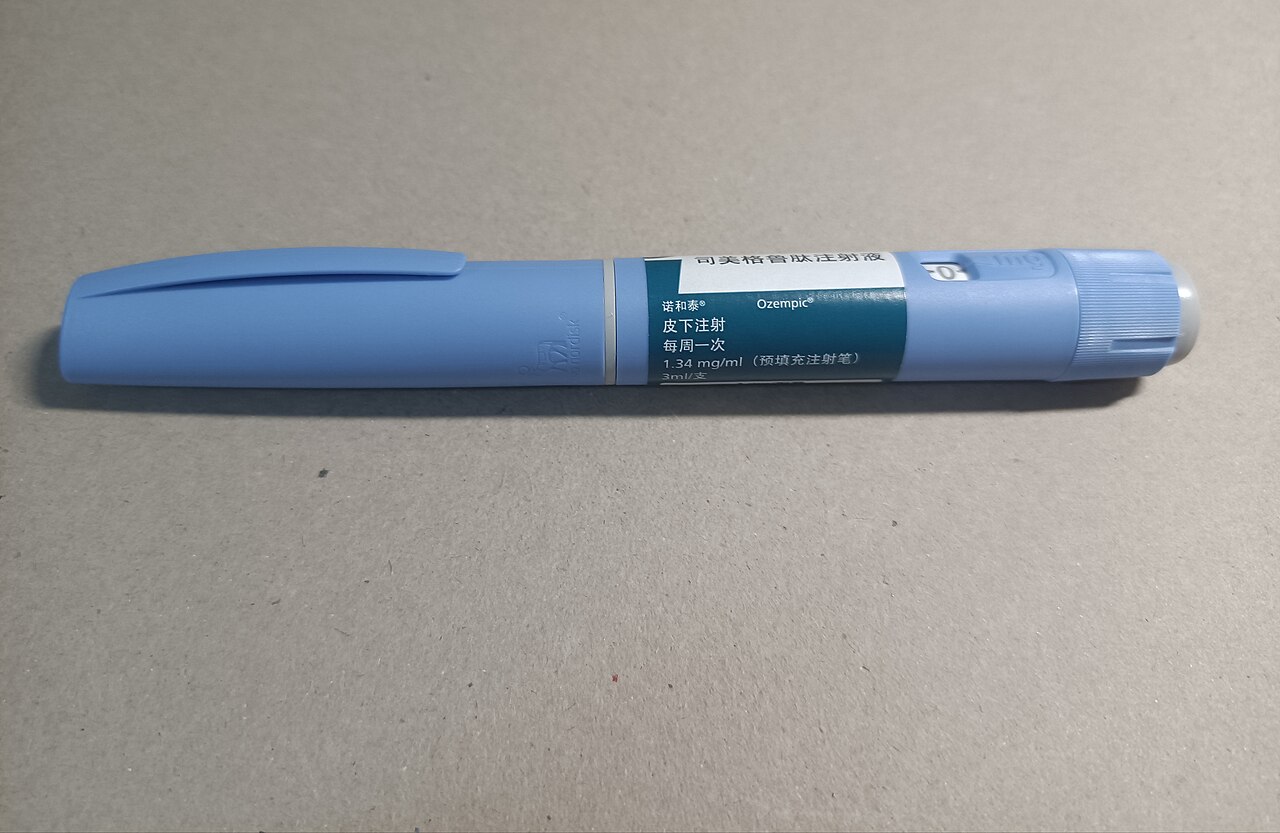
Ozempic was once just another prescription drug in a commercial featuring athletic, happy people. Now, it’s everywhere, and we can’t just change the channel anymore.
In recent years, semaglutide drugs like Ozempic have grown in popularity for those seeking weight loss, a side effect rather than the intended purpose of the drug. Ozempic, originally created to reduce insulin resistance in Type 2 diabetes patients, works like the naturally occurring GLP-1 hormone, which helps people feel full longer and maintain steady blood sugar levels. Certainly, semaglutides can be a useful and life-changing tool for those with severe challenges losing weight when used in conjunction with a healthy lifestyle. For the otherwise healthy adult, however, Ozempic is just a faster fix for what should be a long-term pursuit of health.
Ozempic exemplifies yet another way our culture looks for quick solutions to deep issues. To put it in context, the American weight loss industry has earned billions of dollars from people trying to lose pounds. Diet culture has seeped into the consciousness of generations of people.
Yet, according to the Centers for Disease Control and Prevention, 40.3% of American adults are obese. Americans have a hard time losing weight and an even harder time staying fit. Enter Ozempic, the wonder drug that can have consumers losing up to five percent of their weight in a month. It’s easier than any diet — and certainly faster than a lifetime of moderate exercise and healthy food choices.
Like all prescription drugs, Ozempic does come with risks. It has been linked with higher risks of pancreatitis and thyroid cancer. Moreover, once off Ozempic, patients may regain the weight they previously lost without having the blood sugar control or appetite-suppressant effects of the drug.
While Ozempic’s impact on the body is still somewhat of a mystery, we do know the lifelong effects of an active lifestyle and a whole food diet centered around high protein and high fiber foods, which increase the natural GLP-1 hormone. If the end goal is to be skinny, then Ozempic would be the solution. But if the aim is better overall health, longevity, and a healthier body weight for years to come, Ozempic won’t cut it for most people.
Caring for the body is just as good for one’s character as it is for one’s physical health. Eating nourishing, moderate amounts of food and exercising for strength and endurance manifests in a person’s physical and spiritual health. To be clear, not every healthy adult gains weight because they lack virtue or discipline. Likewise, not every thin person is healthy or temperate. Multiple factors are always at play. A weight loss journey, however, like any health journey, can be an opportunity to reassess one’s habits and create new ones to become the healthiest version of oneself.
Losing and maintaining weight requires a degree of self-denial and work toward a delayed reward. For many, it takes a great deal of patience, temperance, and perseverance to lose weight and keep it off. Changing one’s diet to incorporate whole foods when ultra-processed foods are much more convenient is challenging. Going for a long walk or hitting the gym without having already built those habits is challenging. Learning to adjust to one’s body changing is challenging. But overall health and lasting, stable weight are absolutely worth it.
Ozempic may be an easier way out, but the most convenient option isn’t usually the most character-forming. Anyone can take an injection to get thin more quickly. Taking the longer road because of what you will become mentally, spiritually, and physically? That’s heroic.
Adriana Azarian is a D.C. Correspondent and a junior studying politics.
