
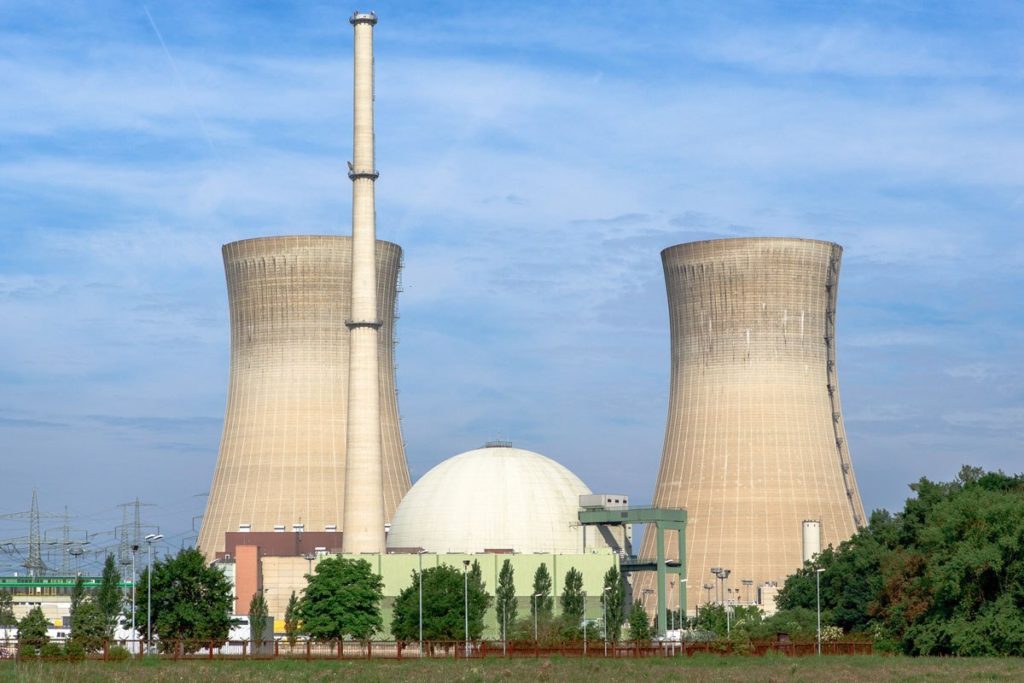
The Trump Administration has taken significant steps to revitalize nuclear energy in the United States by opening old plants and pledging the Department of Energy’s efforts toward commercializing nuclear energy. This comes at a critical time, as finding a sustainable source of clean alternative energy becomes more imperative by the day.
The biggest problems with alternative energy — wind, solar, and hydropower — are the unintended impacts on the environment that it claims to spare. The vibrations of wind turbines drive whales insane; solar farms deep-fry passing birds; and hydroelectric dams foil fish migrations — all in the name of helping the environment. Maintaining our current use of fossil fuels becomes less feasible as resources decrease and pollution levels skyrocket, so a solution must be found. The answer may seem scary: reforming and revitalizing nuclear energy. But as the Trump Administration clearly understands, it is actually a far more safe and feasible option than typically thought.
The phrase “nuclear energy” conjures images of “Fallout,” Chernobyl, mutant deer, and uncontrolled havoc wreaked by science gone too far. Yet in reality there have been only three major nuclear energy disasters in the past 70 years: Chernobyl, Three Mile Island, and Fukushima. Each has a particular set of extenuating circumstances.
Chernobyl, while certainly a major disaster, can be explained by three words: Soviet safety standards. Fukushima was the result of tsunami damage to the electrical grid, which incapacitated the emergency shut-down systems. This disaster does not accurately reflect the safety of nuclear power plants, but rather shows the importance of location when constructing power plants. The disaster at Three Mile Island resulted from an improper attempt to clean a filter. This accident resulted in zero casualties, no recorded injuries or illness, and minimal radiation leakage into the environment. Far from being a damning indictment of nuclear power, Three Mile Island proves the efficacy of American nuclear safety standards. Although these events are easily dramatized, they are by far the exception and not the rule for nuclear energy.
According to the World Nuclear Association, there are 440 active nuclear power plants currently operating in 31 countries. In 2023, they produced 2602 terawatt-hours of electricity, which is enough to fully power over 240 million homes for a year. It seems unbelievable such power can result from such a small and mysterious source. The simple explanation is that the nuclei of atoms are tightly bound together, but some nuclei are unstable due to their larger size. When hit by a particle with sufficient energy, they can split, releasing some of their binding energy, a process called nuclear fission. If enough nuclei fission simultaneously, the energy produced can boil water, which rotates a turbine to produce electricity. The fission process is controlled so the energy is released gradually, not all at once like a bomb.
A major challenge of nuclear energy is nuclear waste and its safe storage. However, this must be contextualized by scale. The energy that holds nuclei together must be high enough to overcome the electrostatic repulsion between the protons. Fissioning one gram of U-235 produces around 100,000 times more energy produced than burning one gram of coal. This energy could run a microwave for 25 years. The amount of energy produced by a small amount of material easily compares to the smaller amount of waste product produced, which means a significant return on the investment.
The United States produces 2,000 metric tons of nuclear waste per year, which sounds like a staggering amount, but actually fills less than half the volume of an Olympic-sized swimming pool. The total amount of nuclear waste produced in the U.S. since the 1950s could fit in the volume of a football field. This is an incredibly small amount for 70 years of nationwide production, and it’s not all “waste.” In fact, some waste products can even be refissioned to produce more energy. Several countries, like France, recycle their nuclear waste products, because up to 90% of the original potential energy is still available in the waste. Recent investigations into monazite crystals, which are highly resistant to deformation by nuclear radiation, may also provide a new source of shielding and storage.
This isn’t to say that attempting to expand nuclear energy is an easy undertaking. Running a safe nuclear reactor is a complex endeavor, but well within the reach of a society that values technical excellence and competence. The only society with reason to fear nuclear energy is one that rewards mediocrity, complacency, and the shrugs of “good enough.” Those who are content with the bare minimum will not maintain the greatness nuclear energy requires.
If the U.S. fears nuclear energy, we first should examine ourselves. It would be easy to destroy our environment with alternative energy and burnt coal because we are scared of the excellence nuclear energy demands. Revitalizing nuclear energy requires that we make both our standards and our spirits great again. Are we up to the challenge?
Clare Oldenburg is a senior studying physics.
