
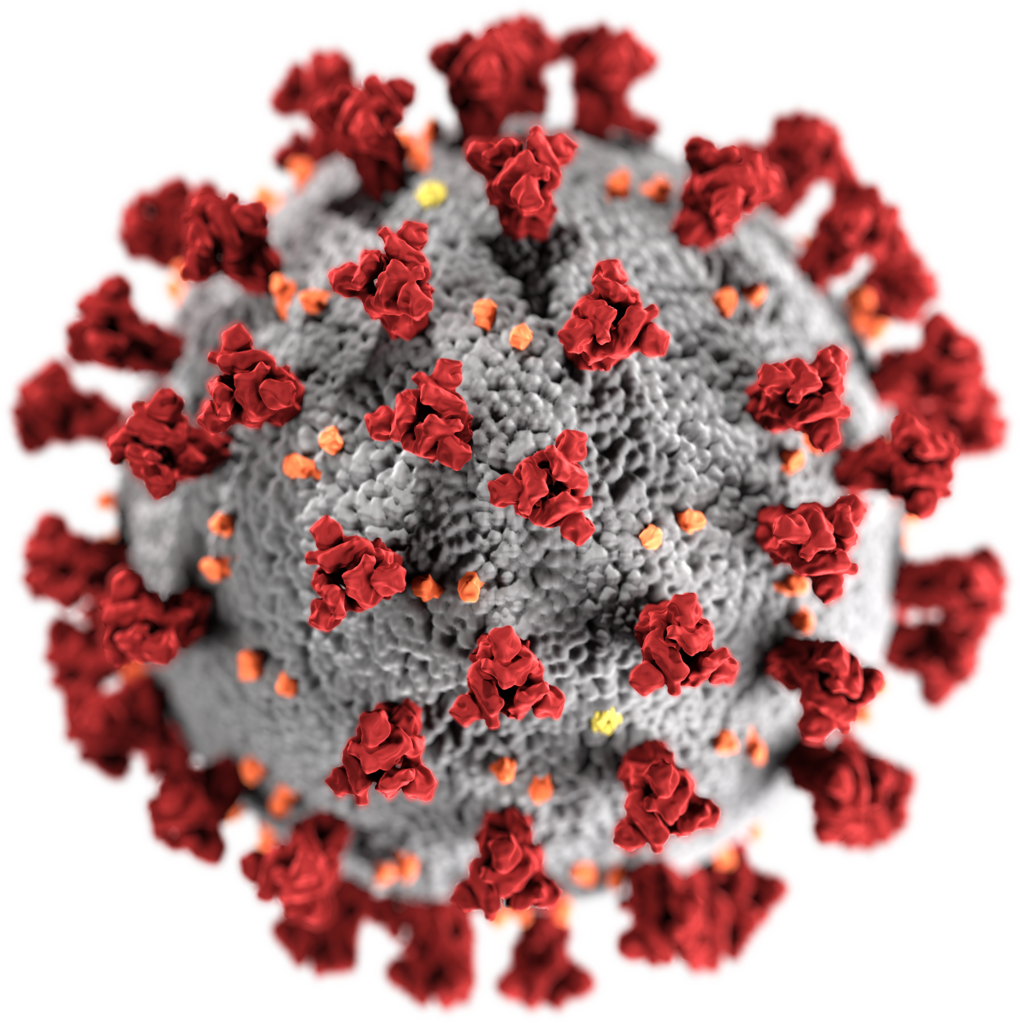
Other than the few people who still wear masks in every situation, life has largely returned to normal since the introduction of COVID-19 to the world five years ago.
Memory of the COVID-19 shutdown reminds Americans how great the freedom and independence they enjoy is, and, conversely, how powerful the government had grown, wiping out free life as Americans knew it for a few years.
COVID-19 was rightfully a frightening disease in its early days, because people didn’t know if it was dangerous and to whom exactly it was dangerous. Unfortunately, however, the rules of the pandemic — like masking and social distancing — soon stopped making sense as we learned more about the disease.
It can be easy to get comfortable again and forget how viciously the pandemic assaulted Americans’ freedoms now that life has returned to normal. But it’s important for Americans to remain vigilant and prepared to stand up for their freedoms now that they have experienced what it was like to have them denied.
Not only did I lose a normal senior year of high school and sports like every other student in the country, I also lost a function of my body and consequently a part of the normal human experience the one time I got COVID.
I was a senior in high school. A few days before I noticed I couldn’t taste or smell, I experienced a horribly cold, piercing pain in the cavity between my eyes. Over a meal of pancakes and bacon, I realized I couldn’t taste anything.
I was devastated and immediately concerned I would never regain my sense of taste. Maybe it was just the horror stories I’d heard on the news about a few people losing their sense of taste and smell for a year. Or maybe I worried the fear into existence.
My parents told me to relax, reassuring me it would probably take the two-week period that was touted as the typical length of time people couldn’t taste or smell. I tried to hasten the process by doing the burned orange trick from TikTok. This involved burning an orange with its skin still on over the flame of a gas stove, then peeling it, mixing it with brown sugar, and eating it. Looking back, I’m embarrassed to say I even tried something that turned out to be such a hoax.
Four years later, as a senior in college, I barely have my sense of taste and smell. Cigarette smoke smells almost the same as how peanut butter tastes to me, for example, and the taste of peanut butter is not what it once was. I can discern the physicality of foods, like if they’re sweet or salty, but the flavor is either absent or altered.
While I was distraught and cried a lot for the first few months after losing my sense of taste and smell, realizing it wasn’t coming back anytime soon, I have since gotten used to my damaged senses. It’s in the moments when my loss of senses comes up in conversation or I’m reminded of it at a good meal that I think of what COVID-19 took from me.
It was something worthy of grieving at the time when I lost it, but now I take the physical damage COVID-19 did to me as a daily reminder of that era when Americans were not free.
Whether permanently impaired or not, all of us ought to remember we can advocate for freedom and common sense should the moment arise.
Thanks a lot, COVID. Have a great birthday.
Olivia Pero is a senior studying politics.
