
Jesus does not allow you to be a teetotaler.
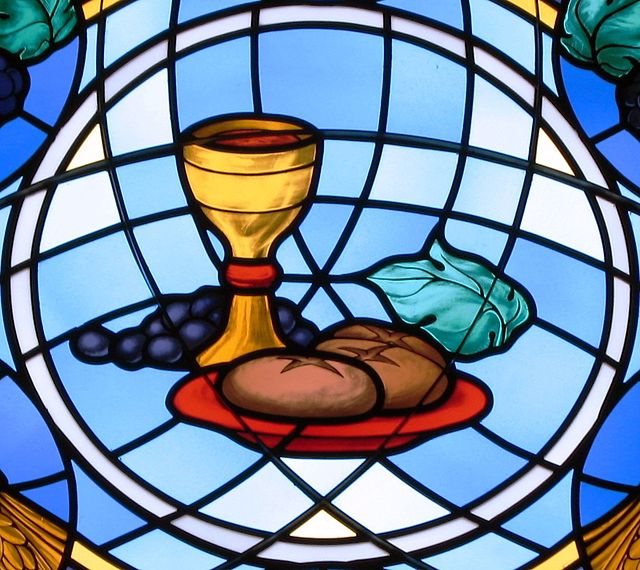
If you are a Christian, you are required, mandated, ordered, welcomed, and invited by the word of Christ to drink alcohol, for he instituted his Holy Supper using alcoholic wine. The medieval church and the temperance-preaching Methodists had one sin in common: both denied Christians the Blood of Christ by denying them the wine Christ consecrates.
Some, such as Southeastern Baptist Seminary Research Professor of New Testament and Biblical Theology Charles Quarles, argue that ancient wine was negligibly alcoholic.
Quarles writes that “the cautions of the New Testament and early Christian literature reasonably translate to a call for abstinence from the more powerful alcoholic beverages consumed today.”
Quarles implicitly argues that diluted wine in the New Testament means modern Christians ought to abstain from more alcoholic beverages today. What Quarles misses, however, is that alcohol is not in and of itself sinful — the sin of drunkenness is.
The Scriptures portray alcoholic wine as a good gift from God which may be abused, but which is not in itself sinful. Wine “makes glad the heart of man” (Psalm 104:15). Paul advises Timothy to “take a little wine, for the good of his stomach” (1 Timothy 5:23), and Christ’s first miracle involves a superabundance of wine — just read John 2.
Scripture never prevents enjoying alcohol outside of church. It only condemns drunkenness. Even if New Testament-era wine was less alcoholic than today’s drinks, it was still alcoholic. You need not drink socially, but you may not refuse to drink at the Lord’s Supper.
What Christians may — nay, must — refuse, however, is the sin of drunkenness, which Noah exemplified in Genesis 9. The Bible expressly forbids alcohol throughout the Old and New Testament (see Romans 13:13 or Galatians 5:21, for starters).
The cans of White Claw littering the lawns of certain fraternity houses and Manning Street are disgraces and iniquities, just as an anti-Biblical, if well-meaning, use of Welch’s at the Communion table is a deplorable sin.
Within these two limits, drunkenness and teetotaling, however, lies a Christian liberty.
Chesterton’s “Omar and the Sacred Vine” provides a good rule: “Drink because you are happy, never because you are miserable, for this is the ancient life of the world.”
Drink at weddings. Toast to celebrate a birthday. Have a beer over a bonfire with a friend and praise God for the good gifts of his creation. These things are fitting and proper. Alcohol has been a staple of human celebrations for all of history. See Homer for a source beyond the Old Testament.
Don’t let health concerns take away the proper enjoyment of alcohol, either.
Yes, overindulging in alcohol causes health problems: Addiction and liver damage come to mind. New research from Stanford School of Medicine Professor of Neurobiology Andrew Huberman has even suggested that alcohol may lead to cancer.
Yet these dangers — dangers of chronic overindulgence, by the way, and not of sparing consumption — are no reason to abandon alcohol completely, though they ought encourage prudent drinking.
Don’t live in fear. Drinking alcohol is a Christ-sanctioned, historically-supported, and eminently natural way to express and enlarge human joy. Just do it in moderation.
More people, however, believe they have fitting restraint than actually possess it. Most are familiar with and even agree with the call to drinking in moderation. Heeding it is the hard part.
Teetotaling tramples upon moderation by denying the good of alcohol. Drunkenness spurns moderation by misusing alcohol.
What you must do, therefore, is fight your inclination. If you are terrified of alcohol, you ought to drink a little more. If you are a seasoned imbiber and lean toward drunkenness, deny your desire and savor a smaller drink. In both cases, you will be better for both the alcohol and for the restraint.
One cannot adequately address the question of drinking properly, virtuously, and moderately in 600 words. Yet the proper use and enjoyment of alcohol exists, and a proper relation to it as a gift of God is possible for humans.
In the words of the old song “The Parting Glass,” “a man may drink and not be drunk.” And as someone wise once said, “Take, drink.”
Strive for virtue in drinking, as in all of life.
Zachary Chen is a sophomore studying Greek and Latin.
