
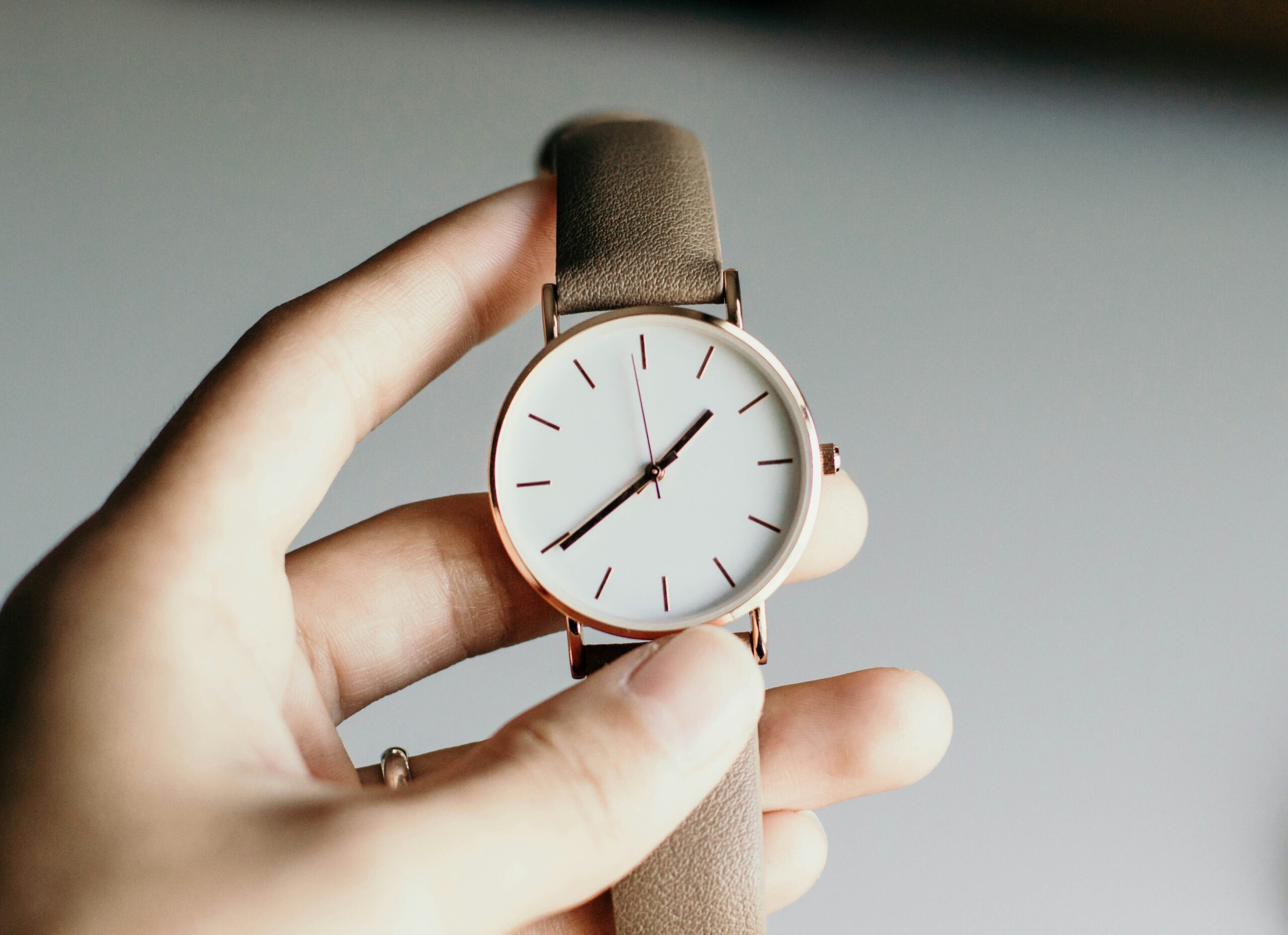
Why does a nice, young civilian like me live on military time?
The answer is simple — I have severe clinical depression.
My habit of using a 24-hour clock started because of Phil, one of the regulars at the coffee shop where I worked in high school. The shop was right next to an army base and 30 minutes away from the Air Force Academy. It was military-owned, military-themed, and mostly hired military wives.
And me.
Phil was a part of “Old Man Tuesday,” a name I had given to the group of elderly men who would come in and loiter around for a few hours on — wait for it —- Tuesday. They were all vets, and a few definitely should not have been operating vehicles, much less interacting with young women. But Phil, who was 75, never whistled at me or put a dollar bill in my back pocket. Phil always stood by the coffee bar and offered me life advice as I made his speciality lattes I’d always call out as “dark roasts.”
One day, I expressed how I felt about the monotony and dullness of going to college during the pandemic. It was hard enough convincing myself to get out of bed, much less commute to my college classes. I wasn’t able to socialize much out of work, and the days melted together.
“Try military time,” Phil said. “There’s nothing better than watching the clock zero out.”
That night, I switched my phone settings and watched my first day zero out. Almost instantly, I understood. The anvil of despair that usually sits snugly on top of my collarbone lost its weight for a brief second. The day was actually, completely, unequivocally over. I was already one minute into the next, and I didn’t even have to think about the next six hours before my shift.
I began structuring my days on a 24-hour schedule and saw my life open up. I had one timeline instead of two separate ones, which used to trick my brain into thinking I had a set amount of time before it was noon and then the day was practically over.
Many people with depression can become paralyzed at the thought of completing a task later in the day. If I have class at 1 p.m., I can’t possibly do anything before then in case I forget that I have class or the dread creeps up. But opening up that continuum of a day released me from some of that inane thought process. I see it as a block of time relegated to one activity in a list of 23 other blocks.
Depression is awfully good at tricking you into believing that the world is always about to end, and you’re right there with it. Today is the worst it has ever been, and there is no up. Something as simple as altering my perception of daily time proved integral to me being able to be a functional member of society.
Switching to military time simultaneously tricked me into thinking I had more hours in the day, and yet not too many. I had enough to get my work done, but not enough to wallow.
Much of my identity has been shaped by the military community and culture of my hometown area despite not being a military brat. And over my years of working at the coffee shop, I had a lot of different regulars. Some I had to call the cops on. Some brought me gifts and handwritten letters. Some tried to lasso me into loveless marriages before I graduated high school. But Phil changed my life with a simple piece of advice.
Phil told me every week he’d try to take me on a date if he was “20 years younger,” which would have made him 55 at the time. No matter how gleeful or tortuous the day is, no matter what weird date proposals you get — the clock zeroes out all the same.
