
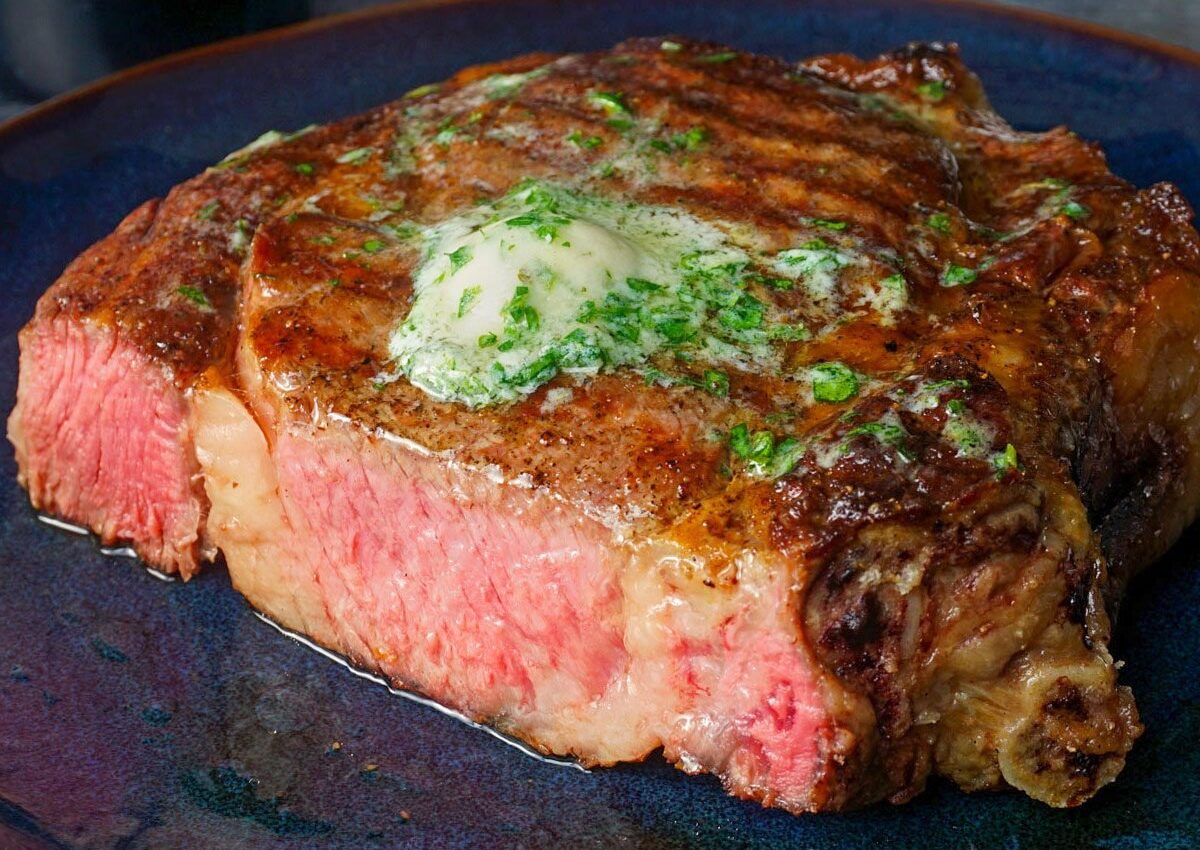
Red meat has health benefits, especially for women. Courtesy | Facebook
Ninety percent of women experience them: bloating, cramping, and mood swings, plus depression, anxiety, and fatigue. These are the symptoms of premenstrual syndrome, and both women and doctors assume there is little relief for them.
But eating more red meat — such as beef, pork, and lamb — can help women dealing with PMS, according to a study published by the National Library of Medicine.
Unfortunately, experts and pop culture have made light of both red meat and women’s symptoms. For the past 30 years, scientists and doctors have tied red meat to diabetes, heart disease, and obesity. TV shows, movies, and commercials assume mood swings and a woman’s period are synonymous.
But it doesn’t have to be this way.
New York Times reporter Alisha Gupta reported approximately 35% of women are significantly lacking in iron, a key nutrient found in red meat. Severe iron deficiency can result in anemia, a condition characterized by a low red blood count, according to Gupta.
But red meat is high in B12 vitamins, iron, and zinc. All of these nutrients play a vital role in women’s health, particularly regarding their reproductive systems and mental function.
B12 and zinc increase mental clarity and prevent depression and fatigue. Protein in red meat also stabilizes blood sugar, preventing anxiety and depression, according to WebMD.
Red meat in particular is the best way for the human body to absorb these key nutrients. One study stated “red meat provides a rich source of high biological value protein and essential nutrients.”
In fact, consuming animal proteins could improve the body’s ability to absorb plant-based nutrients, according to a different study.
As a result, vegetarians and vegans are at a higher risk for iron deficiency, nutrition researcher Elaine McCarthy told the New York Times.
But some experts claim eating red meat on a regular basis is unhealthy, particularly for women.
A different study made headlines in the New York Times because it established a correlation between Type 2 diabetes and red meat consumption in more than 200,000 participants. Of these participants, 81% were female.
“Those who ate the greatest amount — roughly two full servings, or about six ounces of beef, pork, or lamb every day — had a 62 percent higher risk of Type 2 diabetes compared with people who ate the least, which was about two serving per week,” New York Times reporter Knvul Sheikh wrote.
While the study adjusted for differences in meat — such as processed versus unprocessed — it failed to assess whether other lifestyle habits, such as sleep, exercise, and eating a processed diet overall could contribute to the development of Type 2 diabetes.
A study published in the journal for Meat Science states “energy intakes from processed foods have increased dramatically at the expense of nutrient-rich foods, such as red meat.”
In 2019, the Wall Street Journal wrote an editorial on the value of eating red meat, stating 130 independent researchers have called the link between poor health and red meat “flimsy.”
In other words, processed foods — and not red meat — are the culprit for rising obesity and disease.
Women have everything to gain and nothing to lose by making red meat a staple in their diet. Their mental clarity and their reproductive system will improve.
Ladies, your body and mind will thank you. Enjoy that steak.
