
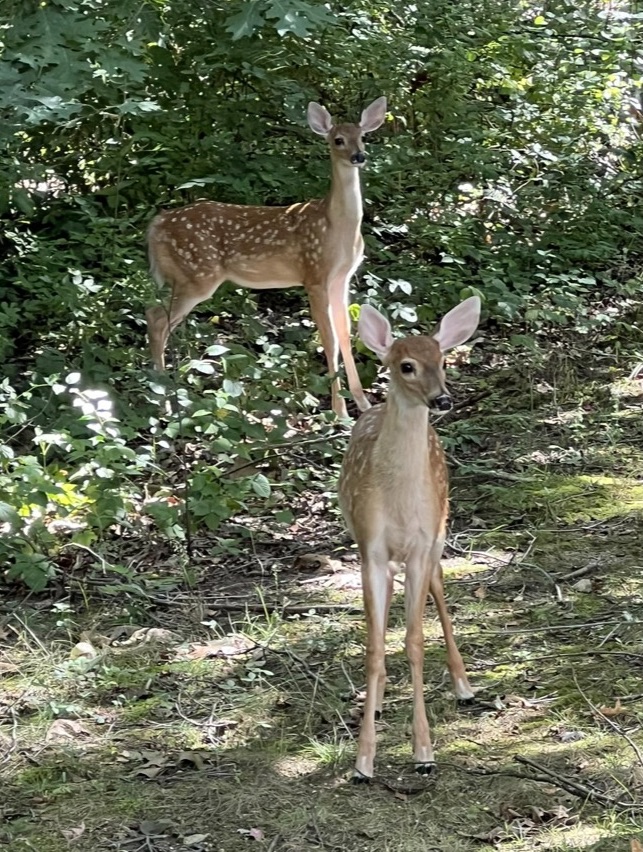
Hillsdale has milder winters than many other parts of Michigan. Courtesy | Facebook
Hunters in Hillsdale County enjoyed a more robust deer harvest last fall than many other Michigan counties, according to the state’s Department of Natural Resources.
Hillsdale was one of only six counties in the state that didn’t post a lower deer harvest in 2023 than in 2022. Hunters in Hillsdale County killed 5,681 deer total, 46 more from a year earlier.
Statewide deer harvesting rates were down by 10%, according to the DNR. The counties that resisted the trend were all in the Lower Peninsula. They included Hillsdale as well as Branch, Huron, Muskegon, Sanilac, and St. Joseph counties. Deer harvests decreased as much as 40% in the Upper Peninsula.
“We are trending downward and I think that’s largely because we have fewer and fewer hunters and a general reluctance for deer hunters to take antlerless deer,” said Chad Stewart, a deer, moose and elk specialist for the state DNR.
Director of the Nimrod Center Al Stewart views Hillsdale as an exception to the trend of both declining hunters and declining deer populations.
“Hillsdale County has lots of deer,” Stewart said. “You see them on campus and along our country roads. Most folks in Hillsdale county live in a rural environment. They appreciate the ability to make a living off the land that they own. People here relate to feeding their families and friends wild game, and recognize the healthy qualities of the wild game that they harvested whether it is a squirrel, duck or deer. The concept of ‘field to fork’ is strong in this county.”
While some discrepancies in numbers can be blamed upon a new reporting system, Stewart said the milder winters, early corn harvests, and accessible shelter for deer in Hillsdale County contribute to larger populations, and a subsequently more successful hunting season.
“It’s very possible that there are differences in reporting rates between the two years,” Stewart said. “Eventually, whatever that reporting rate is should balance out and the DNR’s ability to understand changes between years should be pretty good, but it will take several years for this to occur.”
Professor of History David Raney, an avid hunter, expressed the importance of hunting for the health of Michigan wildlife.
“In the northern parts of our state especially, deer camps have been an important social institution since the nineteenth century,” Raney said. “I have had the privilege of inheriting—and now have the responsibility of maintaining and perpetuating—such a camp. Unfortunately, though, these hallowed hunting institutions have been disappearing from the landscape as the ravages of modern life have taken their toll.”
Stewart attributed a large part of the hunting issue to the corn harvest.
“This year, we had a tremendous corn crop, which certainly impacted deer movement,” Stewart said. “We also had a much higher percentage of standing corn going into firearms season. It’s hard to see deer in standing corn.”
According to Stewart, typically 66-75% of Michigan corn is harvested by Nov. 15, the beginning of deer hunting season. In 2023, less than 50% was harvested in time.
Compared to other communities, Stewart said Hillsdale County was able to harvest more corn. The weather was also quite warm compared to the rest of the state, allowing for more hunters to start the season with success.
“The highs for the first two days were in the mid-60’s with lows of about 40 degrees,” Stewart said. “This allowed hunters to stay out hunting longer and limited their need to move around to stay warm. These types of conditions also allowed the deer to move around and not be stationary to maintain a constant body temperature to reduce loss of energy.”
Raney said there are also larger deer populations in southern Michigan compared to other regions, thanks to milder winters and abundant crops.
“In the northern Lower Peninsula and Upper Peninsula, a number of relatively harsh winters and long-lasting snow cover have led to a significant winter kill in recent years, suppressing the overall deer population,” Raney said. “In addition, in the past several years the State of Michigan has authorized the cutting of large swaths of cedar swamp on state lands in or around deer yards, where the animals gather together during winter months, reducing both shelter and food for the deer.”
Without as many hunters, Stewart is concerned deer populations may grow out of control.
“The need to maintain or increase hunter numbers is very important to the management of wildlife and the habitat they use,” Stewart said. “Hunters are the primary funders of wildlife in this country and have been core to the restoration of animals over the last century. To expand the hunting ranks, hunters can mentor new participants.”