
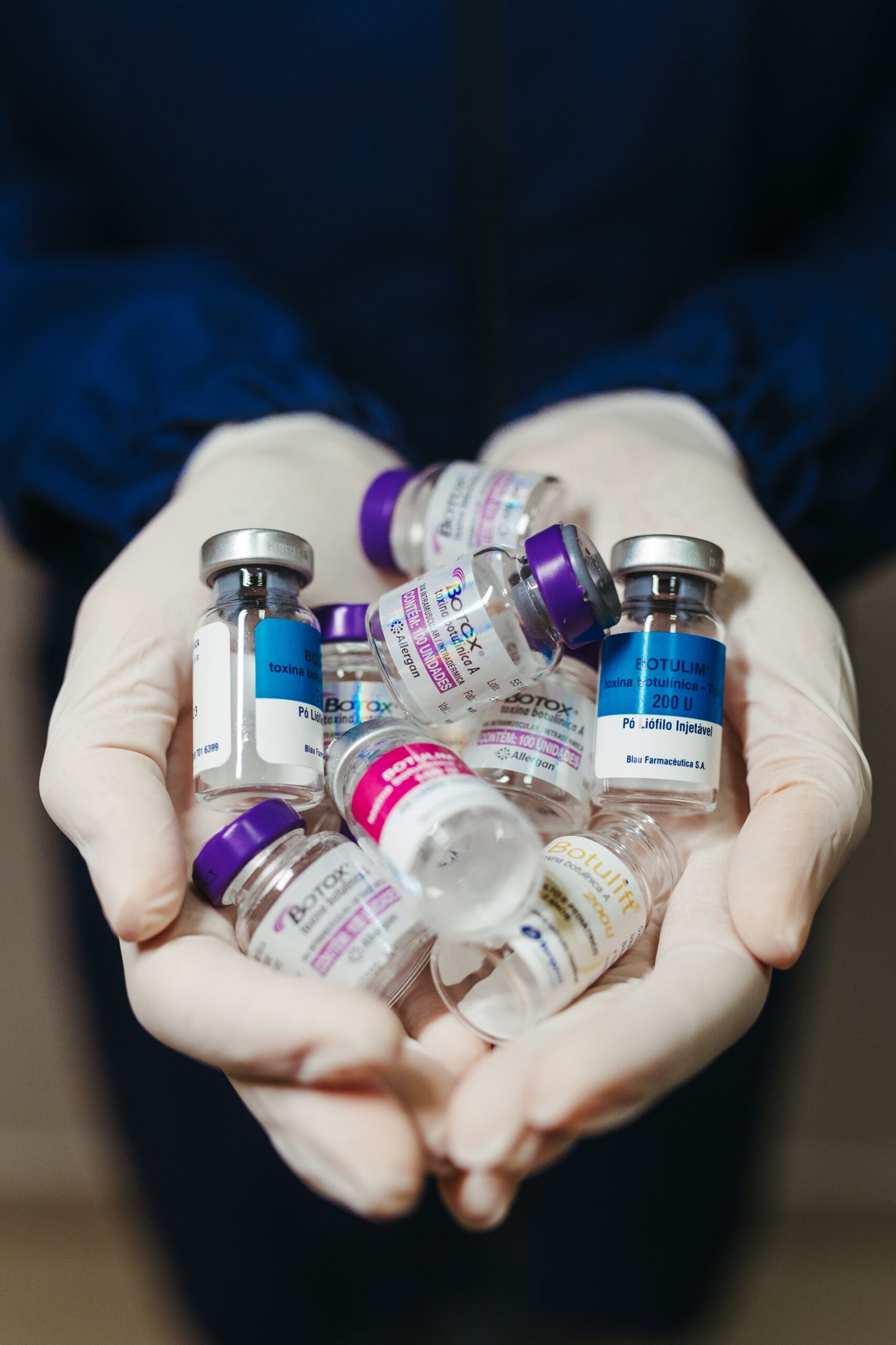
Because of the paralysis, I couldn’t raise my eyebrow at the girl who was telling me that my Botox injections were “unnatural.”
Paralysis is the primary effect of Botulinum neurotoxin, a protein produced by a bacterium most commonly used in cosmetic procedures to reduce the appearance of wrinkles and fine lines. But I don’t do it to look cherubic in middle age. I’m 21 years old, and I do it to survive.
According to her, I am poisoning my body. I should instead focus on eliminating gluten and sugar to “cure” my injury. But a loaf of bread and a Reese’s cup didn’t hit me in the back of the head. A car did.
A hurried woman rear-ended my aunt’s Jeep one summer when I was in middle school, and life as I knew it ended. The headrest was made of hard, angular plastic. It sharply nailed my occipital nerves and thrust a vertebra in my cervical spine out of place. Ever since, I’ve lived with daily migraines stemming from neuralgia and constant muscle spasms. Due to the muscle tightness, my cranium even rests slightly off center, like a broken bobblehead.
The pain is constant, but it’s manageable. My weight fluctuates due to constant nausea, I pass out randomly at times, some days I can’t see, and I’m haunted by a nerve sensation that feels like an egg was cracked on my skull and it’s gooey innards are dripping down my face. So instead of deciding what homecoming dress to wear and which boy was the cutest in my class, my young adult years were spent trying to stay alive until the next season.
Obviously, Ms. Natural didn’t know a decade’s worth of my health history. But that’s precisely why it wasn’t appropriate to comment on my treatment.
Chronic health problems are recurrent trauma: pain that lives in the past, present, and for most people, future. When discussing people’s personal health troubles, it’s best to tread carefully. Claiming that “cures” are just one step away if ill people could just muster up the faith to lift their foot is a harmful narrative people unknowingly push. There are mindful, kind ways to bring up treatment suggestions, but disparaging personal choices individuals make for their bodies isn’t helpful when you’re not privy to all the details.
If the only physical discomfort I experienced were stomach aches, common colds, and hangovers, I, too, would sneer at the concept of injecting neurotoxins into my body. That’s an easy opinion to have when your life isn’t ruled by an invasive pain that isn’t your fault.
Botox wasn’t the first option. For years, I fiddled with elimination diets, strapped vibrating magnets to my forehead, joined pharmaceutical drug trials, and even got hypnotized once by a shoeless lady who told me to imagine myself as a celestial body. I’ve been on over 30 different medications, some of which are now on their way to becoming classified as controlled substances. I’ve done my homework for a class I’ve continued to fail.
Every three months, I get 32 injections in my face, neck, scalp, and shoulders not because I want to, but because I am unable to live life without them. Only after I began a consistent Botox regimen was I able to go to eat a meal without seeing its contents in the toilet an hour later, walk around a fluorescently lit grocery store with my mom, or go on a date without worrying I might fall unconscious.
Most people mean well. When they’re chronicling their dad’s mom’s sister’s best friend’s struggles or their own, even the worst comments are rarely malicious. But intentionality falls short when speaking to someone about a topic as intense as health. You never know the extent to which a person has tried to heal themself. Flippant comments about things to do and not to do can deliver more damage than an overdose.
When you have chronic health problems, conversations like these never cease. It doesn’t matter if you’re under the care of naturopathic hippies or a slave to Big Pharma — people always have something to say. Maybe some people really can solve their health problems with diet changes and niche, noninvasive treatments, but “natural” quickly becomes “tone deaf” when it lacks “empathy” and “social awareness.” The idea that you would know more about a condition than someone who has it (when you’re not their doctor) is an ableist savior complex. It’s best to offer help when you can and refrain from criticizing anyone’s treatment choices.
I don’t care if my Botox isn’t deemed “natural” to someone whose science background is Biology 101. We’re working with two very different pieces of real estate: one, a temple kept clean with a simple diet and maintenance plan, and another, a house on fire in need of first aid every day.