
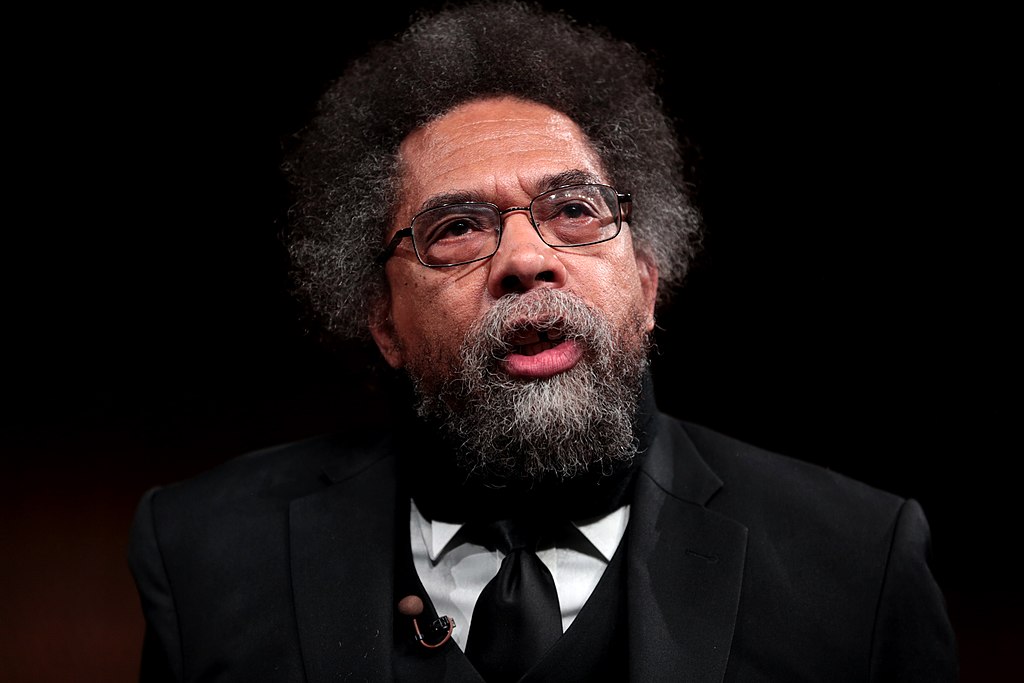
Independent presidential candidates Cornel West and Robert F. Kennedy Jr. both hope to capitalize on the growing unpopularity of President Joe Biden and former President Donald Trump.
Polls show that both Trump and Biden are viewed negatively by a majority of American voters.
West and RFK Jr. have no chance to win, but they could spoil the outcome for Biden and Trump in swing states and shape the election’s final result.
In 2020, Biden defeated Trump by an electoral margin of 306-223. But had 76,000votes switched in Arizona, Georgia, Nevada, and Wisconsin, Trump would have won re-election.
Both West and RFK Jr. pose major threats to the two major candidates as they threaten core aspects of the candidate’s bases.
Cornel West is running on a platform of economic and social justice that threatens Biden’s support among young progressive voters, especially those in key swing state urban centers.
RFK Jr. presents a unique challenge to the status quo as his campaign draws support from the far right– through his challenging of the medical establishment during COVID and his distrust of the media–as well as many young disaffected independents and even many traditional liberals who see him as a centrist candidate willing to govern liberally but in a return to the manner Biden and Trump do not offer.
Both independent candidates are symptoms of the larger problems that lie underneath the American political system–they demonstrate the often justified feeling of distrust and animosity towards the way the federal government operates.
While West primarily draws from voters who would otherwise vote for Biden, because RFK Jr. draws from both Trump and Biden, both major candidates must address the members within their respective parties that are searching for alternative candidates. These independent candidates provide both major political parties with an opportunity to address the rising populism, both from conservatives and progressives, before it destroys what is left of the two major political parties.
If West and RFK Jr. meet the electoral expectations so many polls indicate, one of two outcomes for each party will affect the future of American political parties after 2024. Either the winning party in 2024 will take its narrow margin of victory as a referendum on its party and recklessly govern the federal government until the next midterm shakes its confidence; or, the winning party will recognize that its victory is more a call to return control of politics to the people to ensure the future of its principles.
Likewise, the losing party in 2024 will either take its narrow loss as a sign of voter fraud or foreign election interference and continue on a downward spiral with the winning party or, the losing party will snap out of its delirious state, face the problem of over nationalized politics and push for a long-term political strategy of community building and actual constituent representation.
Both parties will likely walk away from 2024 without a clear recognition of their failures to improve the lives of the people and will march on into 2026 and 2028 until one day they are finally humbled.
