
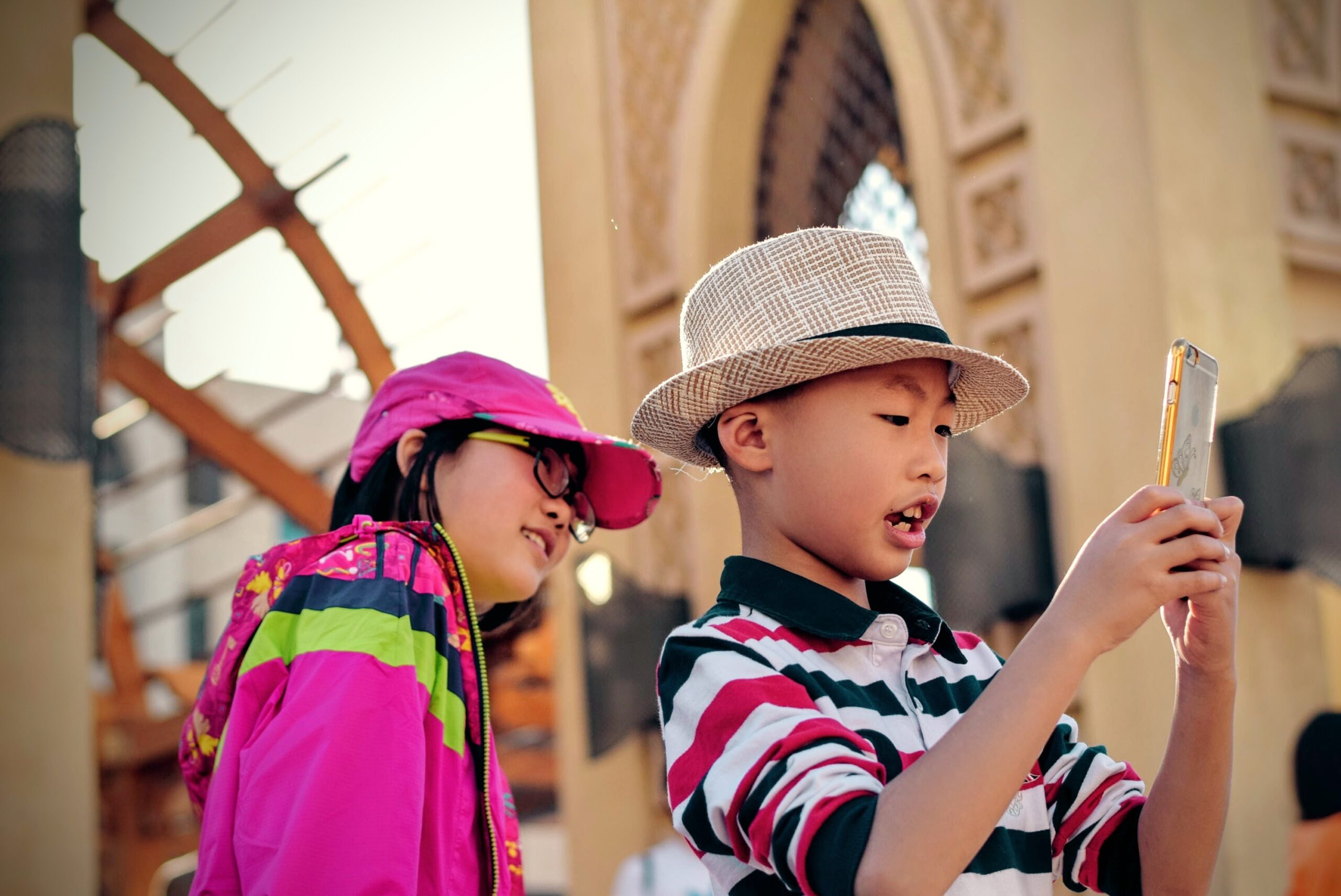
Between the rise of child influencers and excited parents posting life updates, it’s hard to scroll far without running into an adorable face smiling from an Instagram post or a TikTok video. “Kidfluencer” is a large social media genre that makes millions of dollars. Popular Kidfluencer Ryan Kaji, for example, has made $35 million during his YouTube career despite being 11 years old.
Most parents behind these accounts don’t realize the dangers of plastering their children’s faces all over the internet –– and neither do the parents who only post fun vacation photos or life updates. The rise of Artificial Intelligence has added another threat to the challenges of child fame, social media addiction, and stalking.
If parents want to protect their children’s mental and physical health, they should keep them off of social media to protect their privacy and safety.
Privacy is the first concern. Most child influencers don’t run their own accounts –– their parents do. In some cases, the children aren’t aware that their pictures are online. One mother told The Atlantic that she asks her daughter’s permission to take photos, but has not told the child about her Instagram account with 40,000 followers.
Children are far too young to make educated decisions about whether they should be on social media. Parents should consider how they might be affecting their children’s future. Would the child be excited to have hundreds of photos online, or horrified? How would they feel about thousands of people watching them grow up while modeling outfits or acting “natural” for the camera? Instead of asking these questions, the parents often collect thousands of dollars per post.
It’s still an issue even if parents are only posting updates for friends and family, especially if their accounts are public. Just because a parent knows all of his or her followers doesn’t mean someone else can’t track down pictures of their child.
This lack of privacy causes safety concerns if parents aren’t cautious. The increase of AI has allowed for deep fakes of incredible accuracy, and some people use that technology to steal faces from the internet and turn them into unsavory images. While this problem affects adults as well as children, it’s an issue many parents might have never considered.
Problems exist with innocent-seeming videos as well. AI can also be used to copy someone’s voice. Earlier this year, a mother fell victim to a kidnapping scam when the perpetrators cloned her daughter’s voice. According to CNN, scammers need less than a minute of audio to accurately clone voices. In a statement about AI scammers, the Federal Trade Commission said most of that audio comes from social media posts.
There are some ways to mitigate issues if everyday parents — not parents of influencers — want to post about their children.
Some parents use fake names for their children when they talk about them online. One author I follow uses “Lord of the Rings”-themed names such as Halfling or Elevensies for her children. Others don’t show their children’s faces online –– posts might include the back of their head, but nothing more. Still other parents only mention their children in the post’s caption without providing any details or images. Parents could also make their entire account private and restrict followers to people they know in real life.
Of course, none of these strategies help the parents who have turned their children into lucrative influencers. For those parents, the only answer is to stop monetizing their children. They should let their children grow up in the quiet and privacy of their home without thousands of eyes waiting eagerly for another post.
The best way to solve these problems, however, is to keep children off of social media in the first place.
Catherine Maxwell is a sophomore studying history and journalism.
