
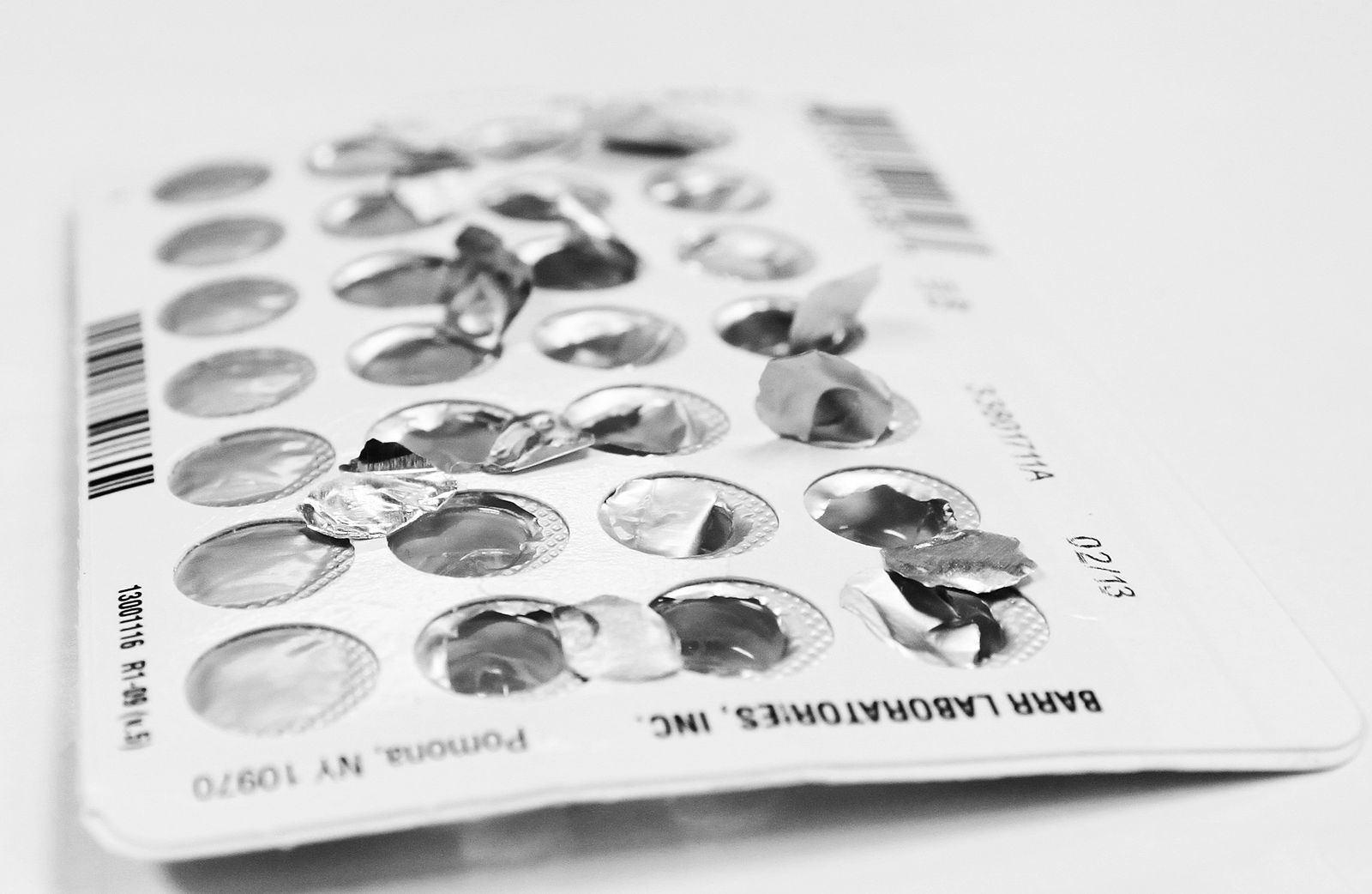
Birth control can be dangerous. Courtesy | Wikimedia Commons
Many a young woman sits in her doctor’s office and hears the words, “Have you considered birth control?” Young women should look beyond conventional medical wisdom, weigh the costs of hormonal contraception, and research alternative options.
Doctors are quick to prescribe hormonal contraception, commonly referred to as “the pill,” for a wide range of reasons other than birth control. Many women use the pill to regulate their cycles, alleviate pain during their cycle, or reduce acne. However, oral contraception has become a band-aid solution for a wide range of women’s health issues. Rather than treating the underlying condition, medical providers take the easy way out. The pill effectively shuts down a woman’s menstrual cycle. This may sound convenient, but the loss of this cycle negatively impacts a woman’s health, both in the short term and over the course of her life.
Organizations that sell oral contraception but bill themselves as neutral health authorities, like Planned Parenthood, downplay the serious complications birth control may cause. Hailey Bieber, 25, made news last April for attributing the mini-stroke she suffered to an underlying heart condition, which had been worsened by oral contraception. She cautioned followers to talk to their doctor about possible issues before going on the pill. Many women like Hailey go on the birth control pill without knowing about preexisting health conditions they have that could lead to serious complications.
Studies show that strokes, blood clots, mood swings, significant weight gain, and migraines are all potential effects of being on the pill. According to a 2016 Jama Psychiatry study, women on the combined oral contraceptive pill – the most common form of the pill – are 23% more likely to be clinically depressed. A 2016 study by the University of Copenhagen found teenagers on the combined pill were 80% more likely to be prescribed antidepressants.
Alarmingly, rising research suggests a tie between the pill and cancer risk. The artificially-made hormones in oral contraception may boost one’s likelihood of developing female-specific cancers. According to a study from the Journal of the American Medical Association, women with a family history of breast cancer who take the pill may increase their risk of breast cancer by more than 10 times.
For all of this risk, birth control cannot claim to be totally reliable. Even Planned Parenthood acknowledges that the pill is only 93% effective against preventing pregnancy, meaning 7 out of 100 women on the pill get pregnant every year. For women who wish to avoid motherhood, the only harmless and completely effective method remains abstinence during their fertile period.
The birth control pill isn’t necessary for women who do want to avoid pregnancy. Scientific advancement in the last 50 years has made natural family planning methods, like the Creighton Model, far more reliable than both the outdated rhythm method and artificial birth control. Women can track various markers of fertility to calculate with great precision when their fertile window- typically only about eight days per month- falls. By abstaining during that window, they can avoid pregnancy without the health risks of the birth control pill.
Despite its overwhelmingly positive reputation in the media, the birth control pill has a real cost, no matter the intention of the woman who takes it. We ought to raise awareness of the risks of contraception, and discuss a more holistic and pro-woman approach to women’s health and family planning. Young women and men both deserve the truth about this matter.
