
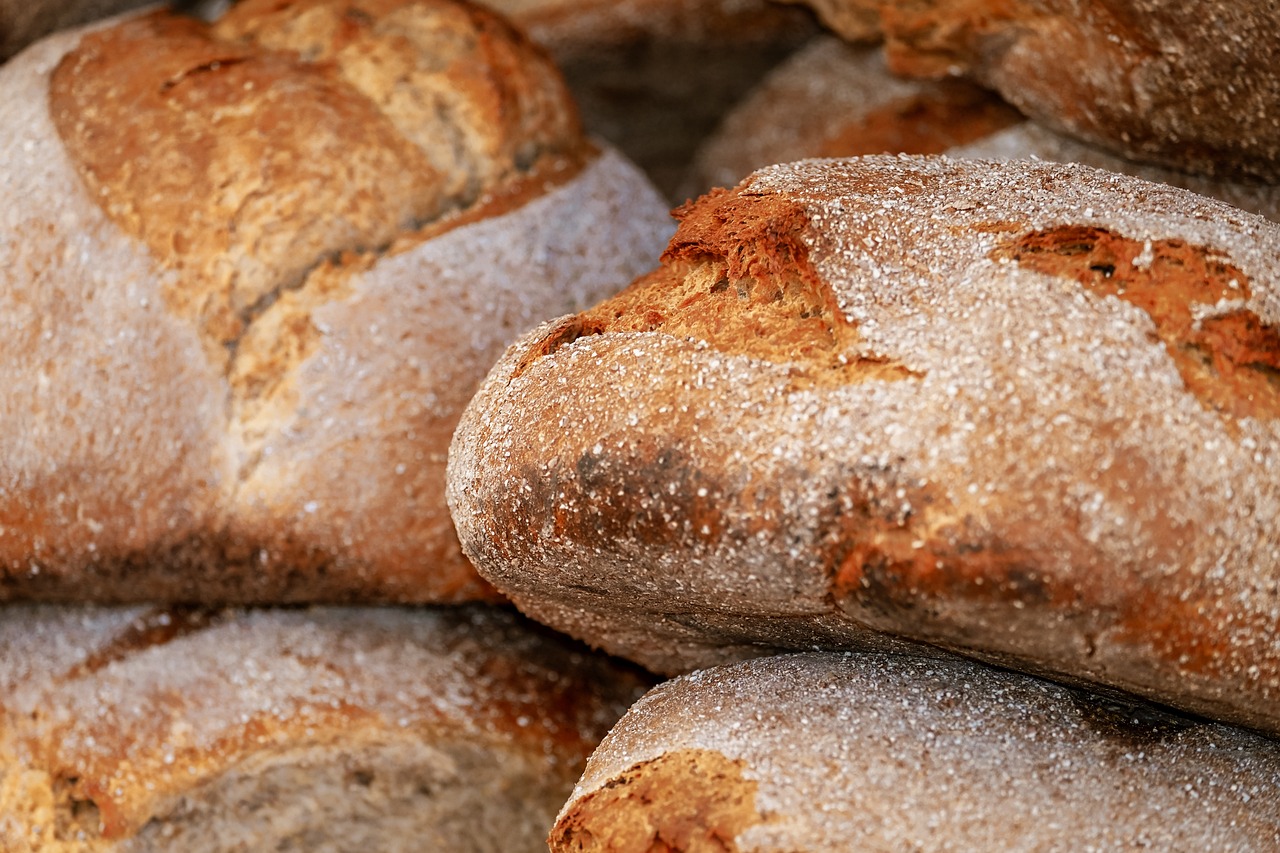
Everyone should have a sourdough starter. Courtesy | Pixabay
Flour and water. That’s all you need to start a healthier life.
To make sourdough starter, you combine flour and warm water in a large jar and let it ferment for one week. On day three of the fermentation process, add more water and flour so it can grow. The starter is what you combine with dough to make sourdough bread. The starter can be added to many recipes as a nutritious substitute.
Sourdough bread is an ancient form of grain fermentation. Experts believe it originated in Egypt around 1500 B.C. It is a great alternative to chemical-filled conventional bread because of its antioxidants, minerals, and vitamins.
Every kitchen should have a sourdough starter to promote nutrient-dense foods.
When the starter is ready it will be bubbly and have the consistency of thick, sticky pancake batter. If someone is a frequent baker, he or she can leave the starter in a jar on their kitchen counter and add more water and flour every few days after using it. If someone doesn’t bake often, the starter will be best in the fridge.
The starter’s fermentation process creates the wild yeast and lactic acid bacteria which makes sourdough rich in nutrients.
One of the main differences between sourdough and conventional bread is the presence of wild yeast, whereas most store-bought breads use baker’s yeast. Wild yeast is natural whereas baker’s yeast is man made
Even though all whole grain foods contain minerals such as magnesium, potassium, and zinc, the presence of phytate, an acid found in grains, makes it hard for the body to absorb the minerals.
But the lactic acid bacteria created in the fermentation process deactivates the phytate. The fermentation process lowers the phytate content more than 70%, according to PubMed Central.
The fermentation also produces prebiotics, fiber that feeds the “good” bacteria in one’s gut. This leads to better digestion and improved gut health.
To make conventional white bread, bakers bleach the flour to make it “white.” Some of the chemicals used to bleach flour consist of benzoyl peroxide, calcium peroxide, and chlorine dioxide gas. All of these chemicals are banned in the European Union but are consumed daily by Americans.
When gluten-sensitive people travel to Europe, many are able to consume gluten and not get sick. This is because many chemicals and preservatives that are allowed in the U.S. are banned in many European countries. But sourdough bread may be the exception. The fermentation process breaks down gluten protein, making it possible for some gluten-sensitive people to consume sourdough with no consequences.
The starter creates a natural preservative called acetic acid bacteria. This eliminates the need for added toxic preservatives. The high levels of acetic acid also prolong the fermentation process, giving the bread its unique texture and flavor.
Some researchers believe that sourdough is a good option for those monitoring their blood sugar, according to PubMed Central. Sourdough’s glycemic index is reduced because of the structure of the carb molecules, slowing down sugar entering the bloodstream. Foods with lower glycemic index help maintain a steady blood sugar.
Although a sourdough starter is mostly used for bread, it can replace many of the other preservative-filled foods bought at the grocery store.
For breakfast, you can use sourdough starter to make cinnamon rolls, pancakes, or waffles. These are items that would be filled with chemicals at the store, but now contain flour and water as the main ingredients packed with vitamins and minerals.
For lunch or dinner, you can make burger buns, bagels, or pizza crust. With some simple modifications, sourdough starter can replace many things in the kitchen for a nutrient-dense meal. There are even ways to incorporate sourdough into desserts like cookies, muffins, and pie crust.
Every kitchen should have a sourdough starter. The Egyptians would be proud.
