
Here in Hillsdale, it might appear that the transformation of the automotive industry is progressing rather slowly, but large, top-down systemic changes will bring a tidal wave of new norms within the next 10 years.
In the first few months of 2022, electric vehicle registrations shot up a huge 60% even as the overall market was down 18%, according to Automotive News. BloombergNEF predicts the number of EVs on the road worldwide to quadruple by 2025.
It’s time for conservatives to see the sign of the times and embrace electric vehicles, supporting programs that will set up these impending infrastructure changes for success.
First of all, people need to wake up to the legislation that has already set these things in place.
California, in which approximately 11% of new car sales in the U.S. happen each year, according to USA Today, has been a trendsetter in emissions requirements, beginning with former governor Ronald Reagan, who signed the Mulford-Carrell Act in 1967 to help protect the public from exposure to toxic air and smog. This legislation changed how the United States would go about emissions regulations with the Clean Air Act of 1970.
A similar radical change is happening today, starting with California. With Gov. Gavin Newsom’s 2020 statement set to phase out the sale of all new internal combustion engine cars by 2035, automakers and other states are reacting to make changes. This will mean tripling EV sales to make 35% zero-emissions vehicles by 2026 and increasing about 8% year over year up to 2035.
California is not the only jurisdiction to set its sights on an EV-only market. Twelve states, from Maine to Oregon, have set similar bans on ICE cars within the next decade or so. Whole countries are taking action, like the United Kingdom, which will ban the sale of diesel and petrol cars by 2030.
Car manufacturers are responding to these changes. General Motors, America’s biggest vehicle manufacturer, will phase out ICE cars by 2035. Volkswagen, the world’s largest automaker by volume in 2022, has invested more than $100 billion in electric vehicle development and announced its last product start for an ICE model that will occur in 2026, just three model years away.
As the world prepares to embrace EVs entirely, it’s too late to try to reverse what is already coming to pass.
While it might be a bleak future for “petrolheads” who idolize the internal combustion engine and love to work on their own cars, electric cars are not the enemy to the common folk. Actually, there are a lot of benefits to electric vehicles.
First off, you can say goodbye to oil changes and the complex mechanical repairs associated with internal combustion engines. EVs require very little regular maintenance, and their powertrains are simple and reliable.
In addition, electric vehicles are quieter, more efficient, and offer 100% of their torque from a stop, something even the sportiest ICE car can’t do.
And, they are rapidly getting more affordable. The average price for a new electric car is $54,000 in 2022, according to Kelly Blue Book. Sound expensive? Well, the average new car purchase in the United States in 2022 is now $48,000, not that far off. New models like the Volkswagen ID 4 and Hyundai Ioniq 5 both start at less than $40,000 and have available ranges well over 300 miles, and these are just the beginning of many new models manufacturers are about to release.
But what about budget cars? No one can argue that electric cars are coming down in price. It used to cost $33,600 for a Nissan Leaf, versus less than $17,000 for a gas-powered Sentra in 2011. Now, the Leaf starts at $28,495, while the Sentra’s price has risen to $21,045, according to Car and Driver. That new Leaf has more than twice its original range and comes with a federal tax credit of $7,500, which covers the difference in price. This doesn’t even account for the more than $1,500 in savings from not going to the pump. While the average gas price has gone up and down in the 11 years, residential electricity has stayed remarkably stable, from $0.12 in 2011 to just over $0.15 per kilowatt hour on average in 2022, according to the U.S. Energy Information Administration.
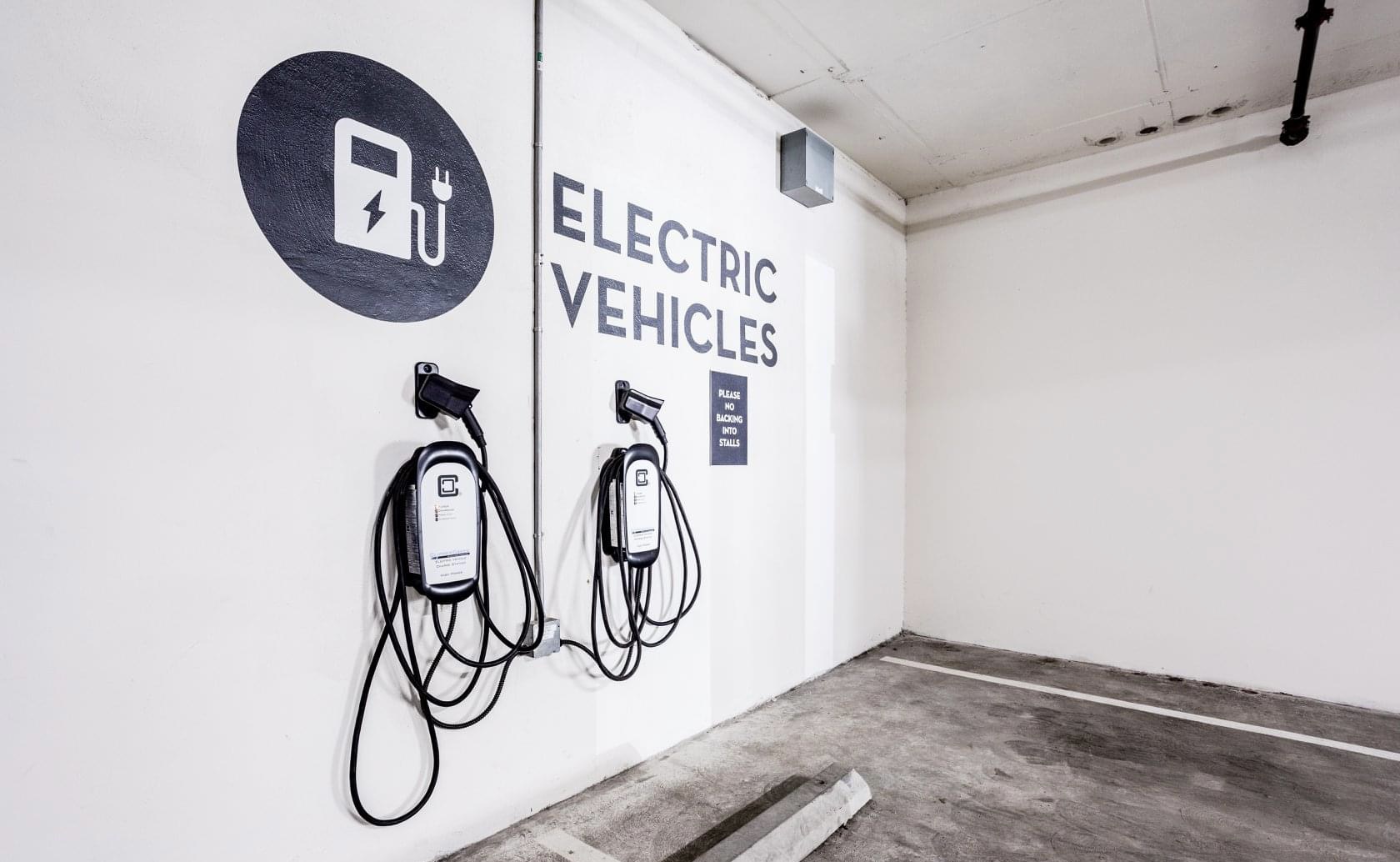
But what if you live in a rural area like Hillsdale? At this point, the infrastructure is only beginning to get underway. But the government’s power to change this will mean the next five to 10 years will dramatically enlarge the availability of high-speed electric chargers nationwide. The U.S. government is spending more than $1 trillion to fix some of these problems associated with EV infrastructure in its Federal Infrastructure Bill. Through the National Electric Vehicle Infrastructure Formula Program, funded by the bill, Michigan received a $16 million grant to add to its 769 electric charging stations at the beginning of 2022.
“There’s no doubt that the future of the auto industry is electric – and the bipartisan infrastructure law will provide needed investments to build charging stations across our state,” U.S. Sen. Gary Peters said in response to the passing of the Infrastructure Investment and Jobs Act.
This might sound like too large a task to undertake, but it’s no bigger than when Dwight D. Eisenhower created the National System of Interstate and Defense Highways, opening more than 21,000 miles of road from 1956 to 1965, almost half of the total mileage of the system we see today.
A lot can happen in 10 years, and if the United States pulls this off, it will undoubtedly create its greatest feat of transportation since the interstate project.
Electric cars create a challenge that is making us innovate in a way the car industry has not in more than 50 years, but with the determination that the governments and manufacturers have shown, I have no doubt that your family will embrace EVs sooner than you think. It’s not just a question of opinion: there will be only one way forward.