
 Spring breaks and other excursions from school present the challenge of how best to use that time. Some will lodge in a more pleasant climate, while others must make do with what is back home. While enjoying family and friends is important, it is only a tiny part of the time spent on break.
If, like me, you enjoyed stunningly temperate 30-degree weather in Dayton, Ohio, with frequent rain and snow showers, then perhaps it might be time to consider a different approach to break. While I enjoyed lounging on the couch, binging the latest shows I missed while sequestering myself at school, I discovered that that activity got stale. Apathy quickly set into my Vitamin D deficient body, and before I knew it, half my break was gone. I needed to do something to revive my lackluster break.
Incorporating novelty is a challenge when you are back home, and it’s easy to slip back into old habits and waste away before time is up. But during the second half of the break, I did something different. I called up my friend Luke, and we visited my local art museum, the Dayton Art Institute.
I am an infrequent enjoyer of the fine arts, nevertheless, visiting an art museum made all the difference.
Local art museums do something most national art galleries will not do—they incorporate a variety of works from different periods and cultures into their collections. While visiting the DAI, I enjoyed viewing works from the Middle Ages to the Renaissance, the Impressionists, and the Modernists, all in an hour.
The museum displayed works spanning continents, not limiting itself to European portraits. It featured Chinese pottery, Japanese calligraphy, and Congolese sculptures. I was shocked by the pure diversity of art forms available in my backyard.
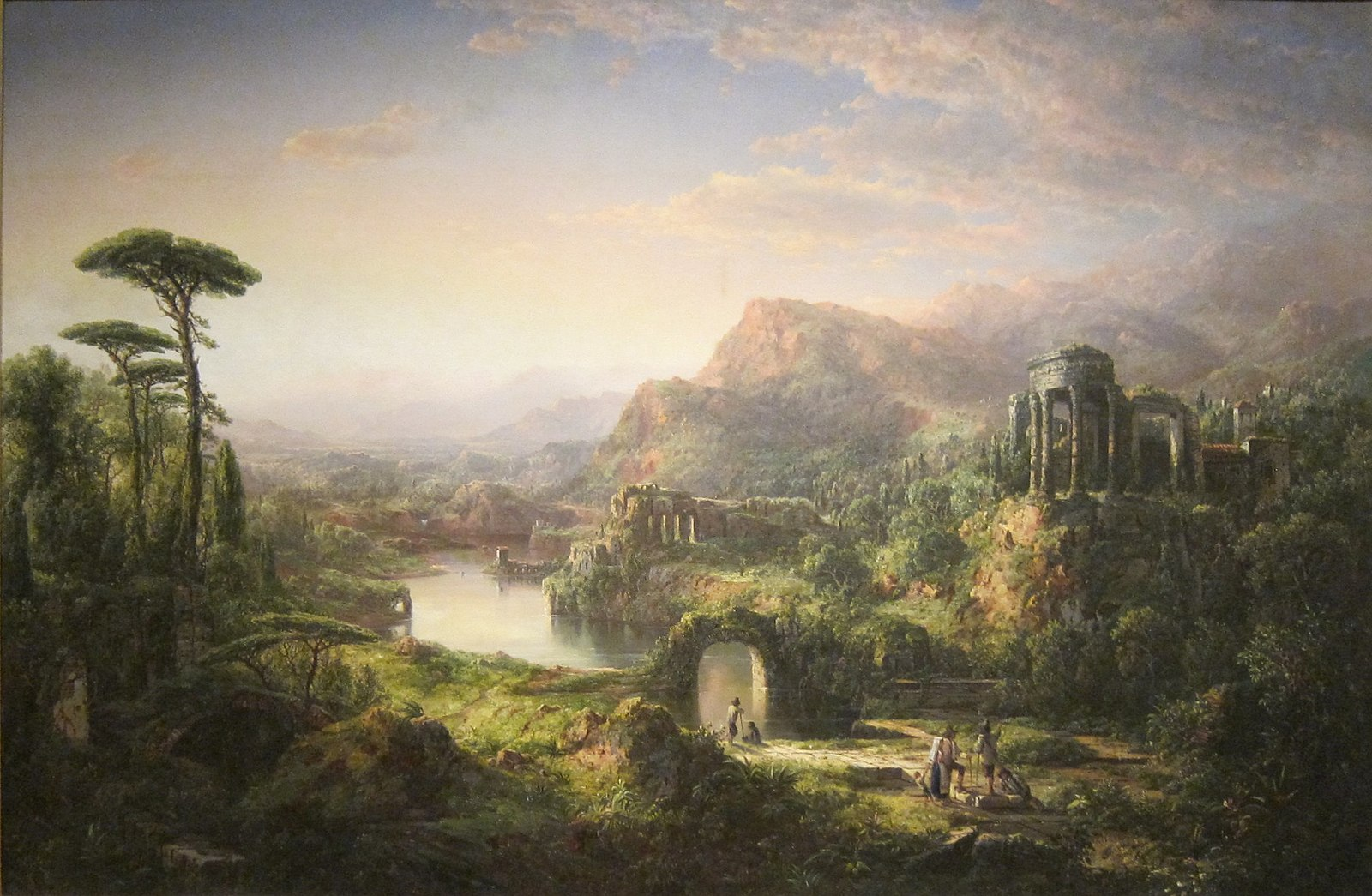
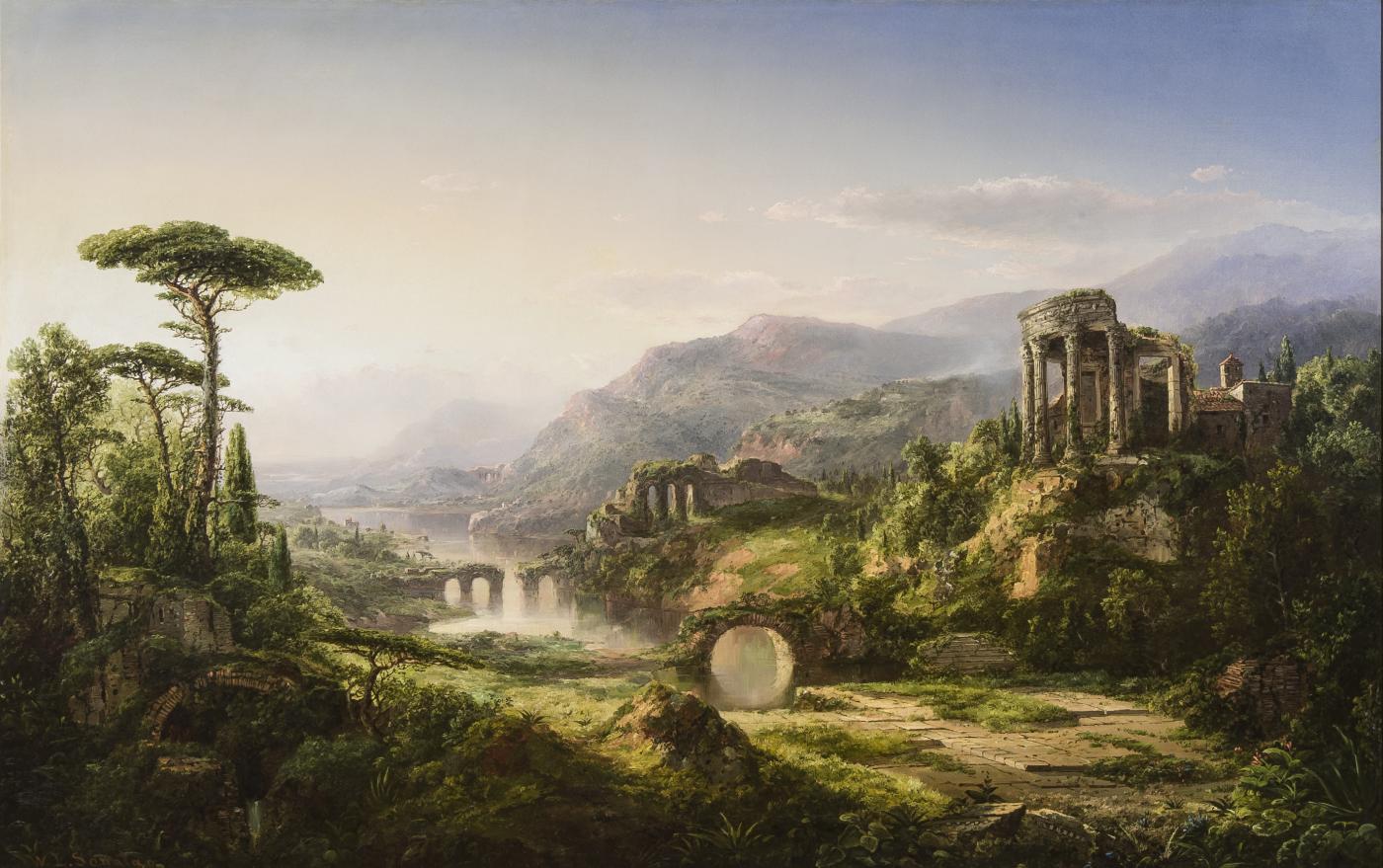
The diverse nature of the exhibits means that specific pieces from each period stand out more poignantly. While touring the different collections, one landscape caught my eye: “Dream of Italy” by William Louis Sonntag. The painting portrays a mountain on the left with a river running down the center and on the right on cliffs with several large stone ruins calling back to grander days.
The piece synthesizes its use of soft colors, light, and shading, creating distance between the subject and viewer, transporting the viewer to a romantic and poetic Italian countryside. But words cannot do this piece justice.
Experiencing an art gallery with someone else improves the experience dramatically. The other person brings their observations that give another interpretation of an otherwise bland piece.
I struggle with being mildly color blind, and Luke’s commentary and explanations made my slight frustration more bearable. Regardless of my lack of color-literacy, I still found ways to enjoy the art. Pieces like Van Goh’s “Champ aux meules de blé” encapsulated my imagination with their vibrant hues and textured brush strokes. Sharing an experience with someone else broadens our appreciation to look at something from a different perspective, which can be even more special in the context of art.
Diversity in galleries is necessary. It is the lifeblood that keeps a patron’s attention, and the freedom to enjoy what catches our attention. It allows us to take pleasure in an artist’s mastery and keep coming back. Small art museums often have a more excellent selection of different forms of art to appreciate and spice up the monotony of too many pieces from a specific period.
Galleries like the DAI are hidden gems throughout America, and they house some of the most unique and beautiful works of art. During your next break, think about adding a visit to your local art museum to your staycation plans.
