
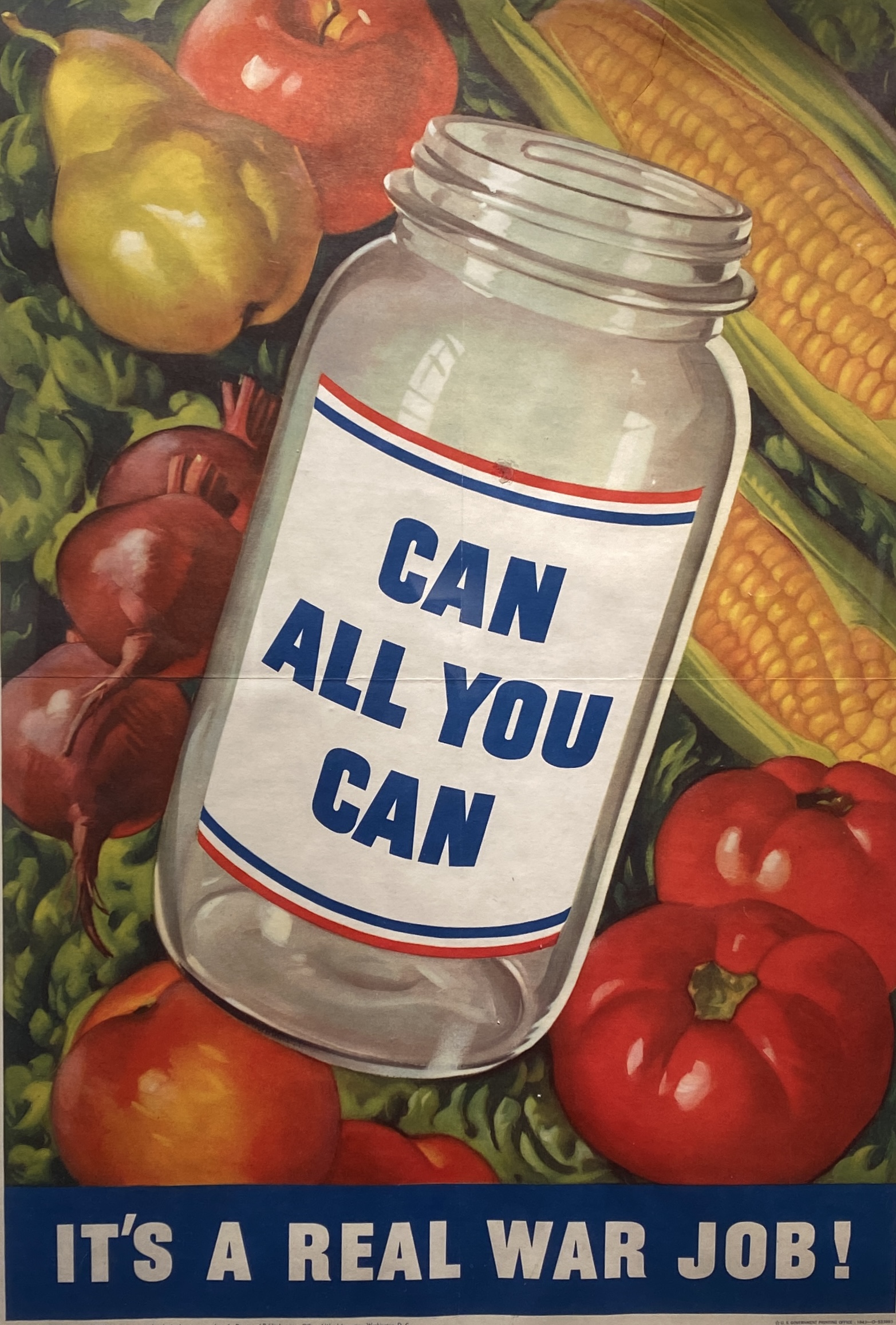
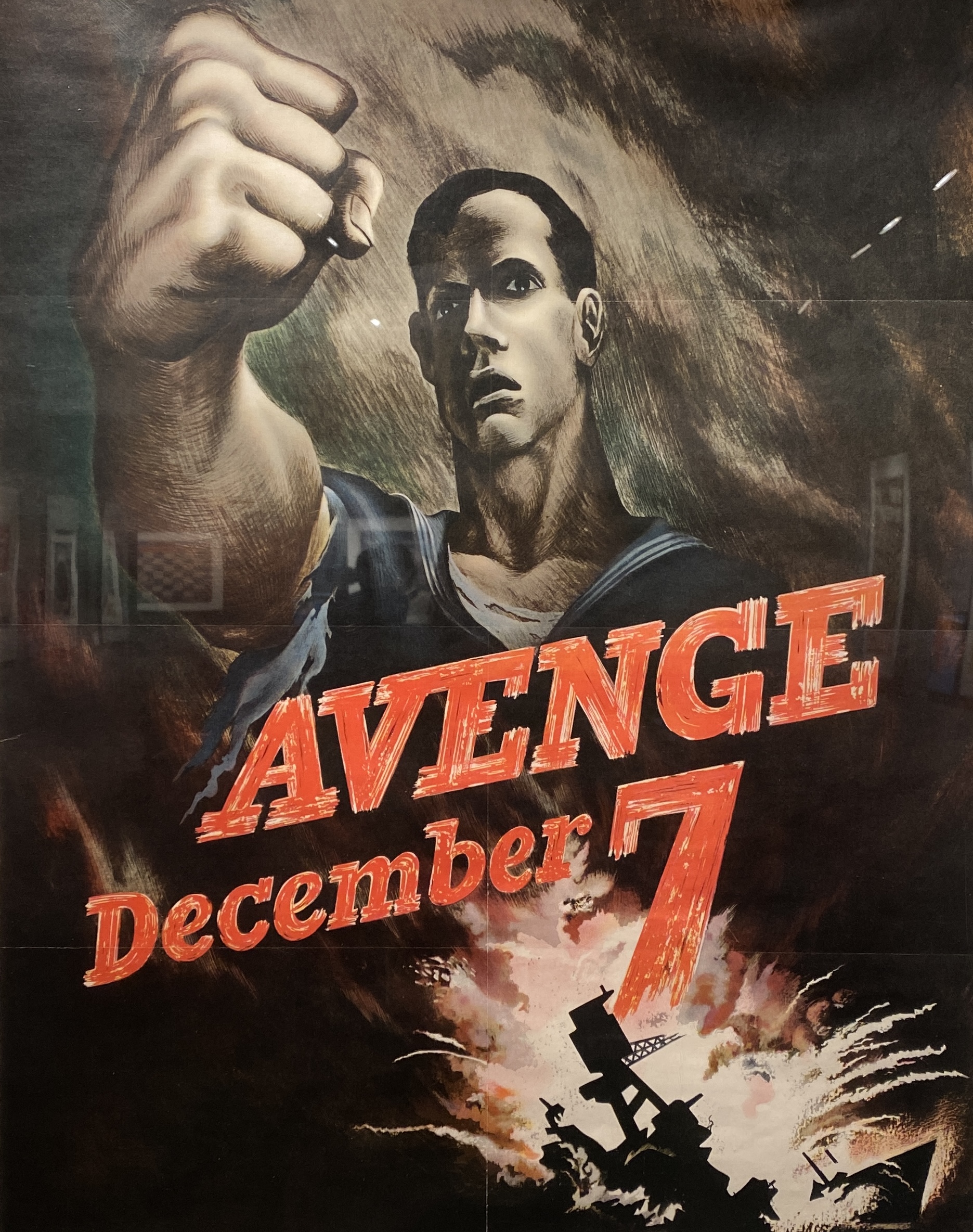
The latest Professional Artist Series exhibit hosted by Hillsdale’s Fine Arts department, “Propaganda Posters of WWII,” opened Friday, Jan. 14 and features pieces on loan from the Detroit Historical Museum.
According to the hillsdaleart.org website, visual advertising was the best way to reach large numbers of people before television became popular. During World War II, the artists behind these advertising campaigns turned their skills to creating propaganda posters at the behest of the U.S. government in order to mobilize civilians to assist in the war effort.
“The posters may remind people that countries go through trials throughout their history, and often come out stronger in the end,” said Roxanne Kaufman, a visiting assistant professor of art who oversees Hillsdale’s art gallery.
The exhibit features posters that urge Americans to cut down on travel, to grow and preserve their own food, to be careful about what they do and say, and more. Many of the posters were aimed at women, and encouraged them to support the war effort at home and abroad.
One poster advertised that women who signed up to be “cadet nurses” could have the entirety of their nursing school paid for by the U.S. government, among other benefits. A majority of the posters encouraged American families to aid in the war effort in seemingly small ways that would make a difference.
Professor of art Barbara Bushey said that she was particularly charmed by one poster that explained “Savings Stamps” to children.
“This was a way for the less-fortunate and for children to buy war bonds; ten cents or twenty-five cents at a time,” Bushey said. “The poster explains what the government can purchase with your ten-cent contribution.”
Senior Reagan Linde, an art major who attended the exhibit, said that she has always loved 1940s-era graphic style.
“[The posters] gave the country a unified image to gather behind,” Linde said. “They make you feel as if you are a part of something bigger.”
Kaufman also said that the posters were meant to unify people behind a common cause.
“They represent real things people did to help during a very difficult time,” she said. “They hung out there, on doors and walls, promoting how to help, no matter who you were or how old.”
This exhibition of propaganda posters sparks comparisons between government messaging during World War II and government messaging today. According to Linde, the exhibit brought to mind public health posters used throughout the COVID-19 pandemic.
“The images and message of the signs changed as efforts moved from staying inside and washing your hands to masking and getting vaccinated,” she said. “These posters were used to unify the nation to collectively act in a certain way.”
“It is an exciting opportunity to see original, historical posters so close to home,” Kaufman said. “Not to mention the graphics are amazing: bright colors, humor, emotion.”
Bushey said that she hopes by visiting the exhibit, students will learn about the sacrifice and unity that characterized the American people during this era.
“It was clearly understood that supporting the war effort meant sacrificing–not eating meat, for instance–and changing behavior, not just going to fight,” she said. “Also, how proud everyone was if they had a family member fighting.”
The exhibition will run through Feb. 15.
