
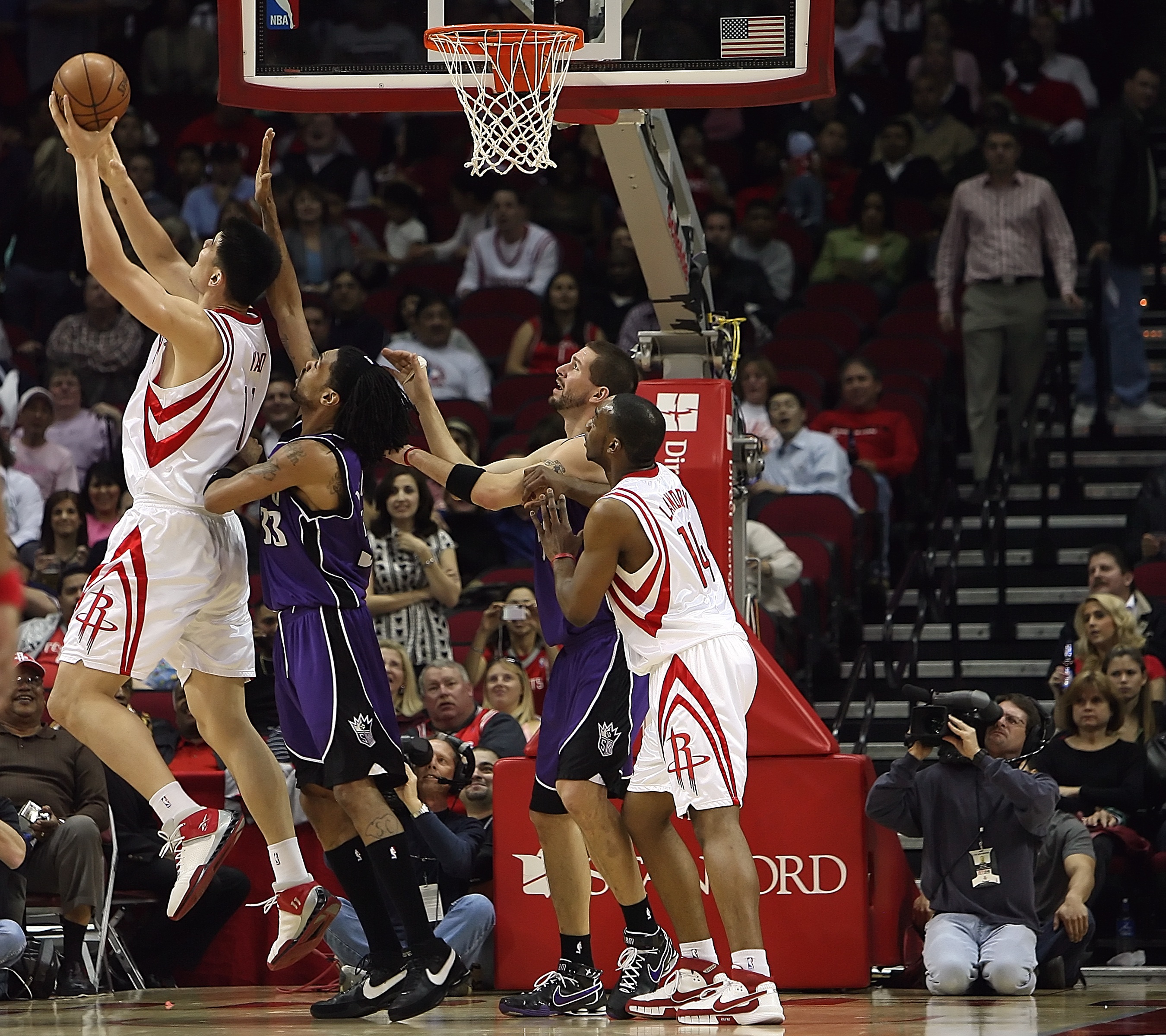
The first round of the National Basketball Association playoffs hit a snag last week when the teams involved in every game decided to boycott their competitions for three days. The reason for this boycott was due to their anger over the shooting of Jacob Blake by police in Kenosha, Wisconsin on August 23.
Boycotting games is a powerful statement, one that has proven successful in gaining the attention of the national media. This does not mean, however, that it is a viable long-term option for the league, especially when dealing with issues of social justice.
The NBA, as well as other major sports leagues, have been platforms for athletes to make themselves and their causes heard for a long time. Even 60 years ago, NBA champion Bill Russell sat out of a game as a demonstration against racist behavior. Russell’s Black teammates on the Boston Celtics followed suit, as did Black players for their opponent, the St. Louis Hawks.
For those who choose to use their platform in this way, there are many opportunities to do so. Because team members are interviewed before, during, and after every game, they have the option to voice their opinions on anything from anger over a missed foul call, to a call to take action to promote racial equality. In this restarted season, the latter has shown to be the subject of intense focus for both players and coaches alike.
However, suspending all professional basketball games because racism hasn’t completely ceased to exist in the last four months isn’t going to do anything to change society in the long run.
What will make change is going back to playing games, making millions of dollars, donating much or all of it to anti-racism causes, and actually taking steps to organize protests and programs to fight against racism.
Working to further limit instances of racism and police brutality will likely be a continued fight for a long time. Emotional, spur-of-the-moment reactions to events like these, especially from people who hold nation-wide influence like many NBA athletes do, will do little to help. In fact, it may discredit the fight for racial equality in this nation.
As important as awareness of racial inequality in this country is, when it comes to getting the problem solved, money talks. Organizing rallies, creating ad campaigns, and even pushing for any kind of legislative change, all cost money. If the rest of the season is boycotted, the players and the league as a whole, would have significantly less funds.
From the NBA’s television deals with ABC, ESPN, and TNT alone, the league makes roughly $2.6 billion dollars annually. The bulk of this sum comes through the playoffs. This money is not only funneled back into improvement of the league itself, but also goes towards the improvement of Black communities.
In an attempt to “deepen the NBA family’s commitment to racial equality and social justice,” the league announced on August 5 that for the next 10 years, each of the league’s 30 teams will donate at least $1 million annually to the newly created NBA Foundation. As League Commissioner Adam Silver put it, the foundation “can advance [the league’s] shared goals of creating substantial economic mobility within the Black community.” The NBA would have difficulty paying this money now, and in the future, without the revenue gained from the restarted NBA season.
Even more important in this situation, though, is the money made by the players, who are far more involved in issues of social justice than the team owners. Together, the teams in “the Bubble”, where the restarted NBA season is being played, pay their players more than $2.77 billion per year. Those who choose not to play, however, are subject to a cut in their salaries.
In the most recent meeting of the National Basketball Player’s Association, which was held after the recent boycotted games, the association voted to keep the season going. This will, however, likely be far from the end of situations like the one the league found itself in earlier this week. Since 2015, an average of one unarmed Black person has been shot and killed by a police officer every two weeks. Statistically, this means that it will happen two to three more times before the conclusion of the NBA playoffs. Thus, the NBA and NBPA will likely be faced with multiple similar situations where canceling the remainder of the season will be brought up as an option.
Due to the money that will be made by continuing the season, as well as the awareness which players can continue to raise by using their platform on national television, the NBA should continue the restarted season.
Therefore, assuming that genuine, lasting, social change is the goal of the NBA and its Player’s Association — as opposed to powerful-looking, but otherwise empty public gestures — the NBA should not consider canceling their season.
Christian Peck-Dimit is a sophomore studying English.
