
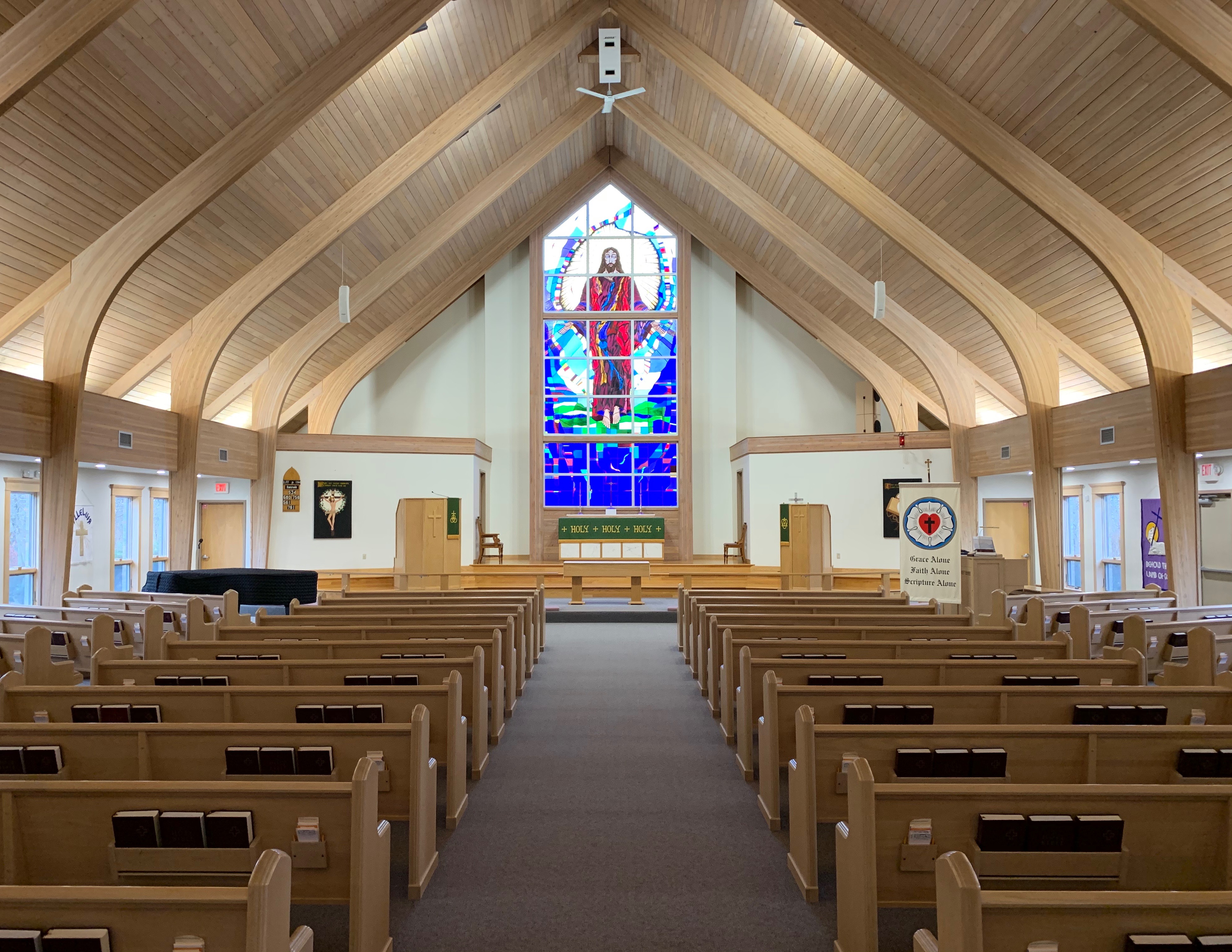
For Christians across the world and across denominational lines, the season of Lent has once again begun. This is the season of the church year that culminates in Good Friday and Easter. There are many reasons to observe Lent, and they nourish the believer’s reflection on the passion of Jesus Christ.
Aside from Sundays, there are 40 days in the season of Lent from Ash Wednesday to Easter Sunday. This mirrors the 40 days Jesus fasted in the wilderness and endured temptation by Satan.
Christians use the practices of Christ during this time to model their own behavior during Lent, and appropriately so. Liturgical churches put an increased emphasis on prayer, meditation, self-examination, and fasting, among other things, during Lent.
It is useful for Christians to always remember that Jesus, though He is true God in human flesh, prayed to God the Father in heaven. While He fasted in the wilderness for 40 days, He spent time praying. When in the garden of Gethsemane before His arrest and execution, He prayed.
So too during Lent, Christians should spend ample time in prayer and meditation. And what should we pray about? The passion of Christ is necessary because of the promise God made to man when sin first entered the world.
God the Father, out of love for His creation, sent His son Jesus to die a horrible and gruesome death by crucifixion. This is the reality of sin. We should pray that we endure temptation without turning to sin and that we be forgiven for our sins, realizing that our sins drove the nails into Jesus’ hands and feet on the cross.
What does this prayer accomplish? Only with contrite hearts can we be forgiven of our sins. And we must be forgiven; this is why our Savior suffered agony and hell, so that we could be forgiven. This forgiveness is a gift freely given, poured out from the cross for us, by the divine mercy and grace of God.
Jesus’ 40 days in the wilderness before His passion were also spent in fasting. Though not a pervasive practice among most Christians today, some still fast during Lent, and it has real benefits.
Changing one’s usual lifestyle allows one to experience everyday life in a different way. Fasting has deep roots in the Christian tradition as one example of this.
When Satan tempted Jesus to turn stones into bread during His fasting, Jesus responded by quoting scripture: “Man does not live by bread alone, but by every word that comes from the mouth of the Lord” (Deuteronomy 8:3).
Christians also pray in the Lord’s Prayer to “Give us this day our daily bread.” Recognizing that food is a daily gift from God, but that it is not the only thing that nourishes and sustains us, is the object of fasting.
Though Christians should certainly pray daily and always spend time reflecting on and repenting of sin and giving thanks to God for the gifts of forgiveness and daily bread, Lent offers a time in the Church Year to not just talk about good practices for Christian living, but to actually change one’s lifestyle and do them.
There’s a reason Jesus’ 40-day model in the wilderness still shapes what Lent looks like for Christians after more than 2,000 years. It is appropriate to receive the free gifts of forgiveness and everlasting life given to us by Christ’s passion with the sincerity and reverence of these Lenten practices.
