
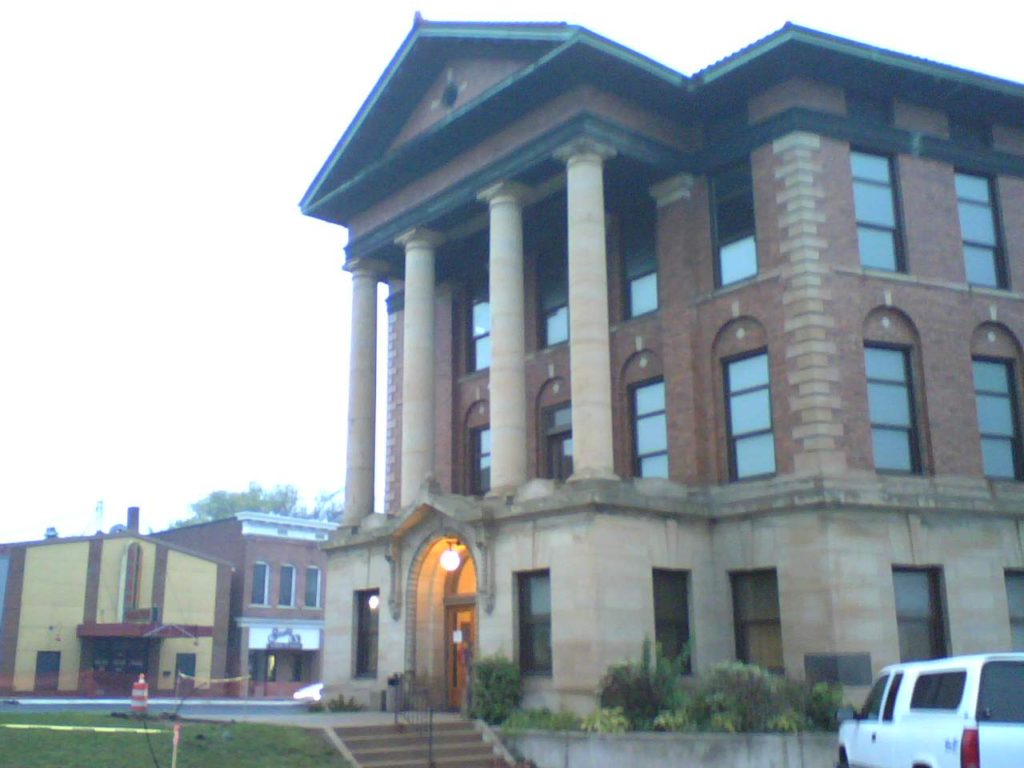
As drug overdoses haunt Michigan and the City of Hillsdale, both mayoral candidates promised to empower the police force to address the opioid epidemic.
In Michigan, drug-related deaths rose 18 percent from 2015 to 2016, according to the Michigan Department of Health and Human Services. Over the past couple years, at least four heroin-related deaths occurred in Hillsdale County, and patients frequent the Hillsdale Hospital seeking treatment for drug-related problems.
“On a daily basis, we see patients who are affected either by methamphetamine or opioid-related issues,” said Shirley Curtis, emergency department manager at the Hillsdale Hospital.
Both mayoral candidates, Mayor Scott Sessions and City Councilman Adam Stockford, said they would address the problem by ensuring that the city police force has the resources and the funding to address drug-related issues.
As mayor, Sessions appointed Police Chief Scott Hephner, who Sessions said has done an excellent job leading the force. Sessions said he plans to continue to put key personnel in place and to make sure the police force has proper training and equipment.
Sessions said it’s important to pass the city budget “to make sure the funding is in place and available so Police Chief Hephner has enough staff to be able to protect the city and make sure that it stays safe for all of our citizens.”
Stockford said the first item on his platform is economic mobility, and the second is combatting the drug problem.
“As the poverty in Hillsdale gets worse, the drug problem will get worse,” he said. “When I say economic development is my number one issue, it’s because all the issues in the community are tied to the economy.”
Stockford said the police force needs more training and resources to approach situations in which overdoses occur to save lives, their first priority. The hospital already collaborates with the police department, offering training to the police force so officers can administer Narcan Nasal Spray, an opioid-blocker, in emergency situations.
But Stockford said he would like to see Hillsdale obtain a Drug Enforcement Administration-licensed doctor, who is certified by the government to treat addiction. He said there are some in Coldwater and Jackson, but the government limits each physician to 30 patients.
He also suggested forming a K-9 unit for sniffing out drugs. If Hillsdale develops a reputation for how it deals with illegal drug use, it will deter future users, he said.
“I want dealers to know if you get caught dealing hard drugs in the City of Hillsdale, the book will get thrown at you,” he said.
He said the police officers have employed their resources to face the drug problem, but the city government has done less than it could have.
Sessions and Stockford both voted against permitting medical marijuana dispensaries or growing facilities in Hillsdale at a city council meeting last month. Sessions emphasized that he didn’t want to bring any more drugs into Hillsdale.
“We don’t need any more drugs in the community,” he said. “I don’t want to see it brought in any more than it already is.”
Drug users in Hillsdale County who are looking for help with addictions can contact the Hillsdale County Sheriff’s Office, Sheriff Timothy Parker said. The Michigan State Police Angel Program offers qualified individuals the chance to go through rehab without facing jail time.
“If somebody comes in and indicates they want to be part of that program, staff can see if they could be a candidate,” Parker said.
Since its print publication, this article has been edited for clarification.
