
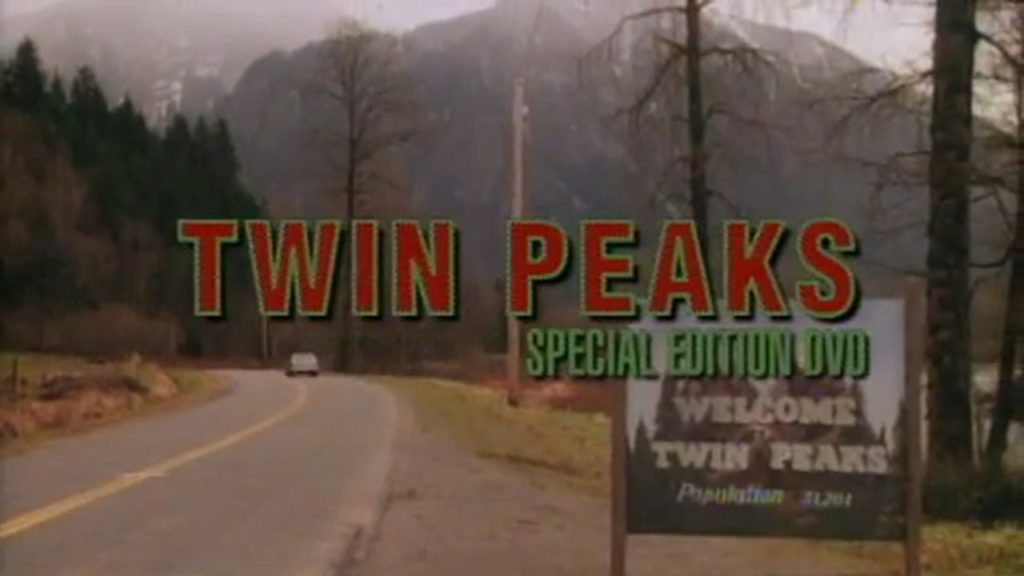

The first time I watched an episode of the Showtime masterpiece “Twin Peaks,” I sat on my favorite armchair with a bowl of ice cream in my hands, a little too much on my mind, and no comprehension of what lay in store.
The first two seasons of “Twin Peaks,” directed by David Lynch, aired between 1990 and 1991. Although the ratings dropped during the second season and the show discontinued, the quirky, haunting series, a whodunit set in a quaint Northwestern town, picked up a large cult following. It has been referenced in pop culture, from television shows like “Scooby Doo” and “The X-Files” to music, as in Bastille’s song “Laura Palmer.”
Much to fans’ delight, Showtime announced in October 2014 that “Twin Peaks” would return, significantly, 25 years after the last episode aired.
For me, this was huge news. “Twin Peaks” has influenced me more than any other television show. But to say why this zany show featuring a buddhist FBI agent, a cocaine-addicted, post-mortem homecoming queen, and a host of other odd and sometimes incomprehensible characters could mean so much to a 17-year-old boy is difficult. Maybe it was the dreamlike music and soundscapes, the heart-racing whodunit detective story, or the eerie charm of the small northwestern town of Twin Peaks.
Maybe I loved Twin Peaks, especially the reboot, because of the characters. In each character I saw a part of myself. As the story develops, the characters are revealed to be more than they seem, each with their own skeletons in the closet, their own hopes and dreams, secrets and unspoken desires.
Nothing in Twin Peaks is ever certain: even the inherent supernatural and spiritual undertones leave the audience wondering, “Is this for real?” Because to truly appreciate Twin Peaks, you must look past your own understanding of conventional, rational storytelling in exchange for Lynch’s irrational, dreamlike, surrealist narrative of good and evil, of humankind’s interaction with the spiritual world, and of each person’s experience with the great mountains of life.
Lynch’s heroes are not muscular type A’s with leadership qualities and a 4.0 GPA. Lynch’s heroes are normal people exposed to a wholly abnormal life, who do their best because, like all humans, they are always seeking truth. They, like all of us, are looking for the truth about themselves, about the people around them, about spirituality and the supernatural, about life and human society.
I asked Assistant Professor of Psychology Collin Barnes why students should care about Twin Peaks. His response gave me a new perspective on the show.
“There are experiences that defy rational explanation; they become understandable to us because we have hearts and know something of the dream world. By them we encounter the wonders and terrors within us from which we hope, after much toil, to emerge more fully formed,” Barnes said. “But this particular offering is not for everyone. Some, in fact, might be harmed by it—deformed instead of formed. Lynch is showing us something important, but also devouring. For this reason I cannot hold it out as a recommendation for all, but perhaps I could for one or a few I personally knew.”
Dr. Barnes is right that Twin Peaks isn’t for everyone. The beautiful, surreal Twin Peaks of the ’90s, and the nightmarish, gritty Twin Peaks of 2017 offer something that most shows don’t. They ask us the question: “What don’t you know about yourself and the people around you?” For some of us, the answer is undesirable or hard to discern. But by all means, if you are prepared, give the show a go. “Twin Peaks” is bound to give you a new perspective on yourself and the intricacies of the human beings around you.
