
Students lacked two things during Wednesday’s lockdown: information and Wi-Fi.
Unfortunately, one caused the other.
When Security Director William Whorley sent the campus-wide email announcing the school was on lockdown, what seemed like all of campus had the misfortune of being in the Grewcock Student Union.
Students already complain about spotty internet connection during the lunch rush, but it’s mostly just an inconvenience. A delayed text or slowly-loading Facebook feed isn’t that big of a deal. On Wednesday, however, it became more than just a hassle. It became a legitimate problem.
Whorley’s vague email gave students almost no information. Key facts — that the suspect was a former student and that he wasn’t even near campus — were not included in communications from the college at any point during the crisis.
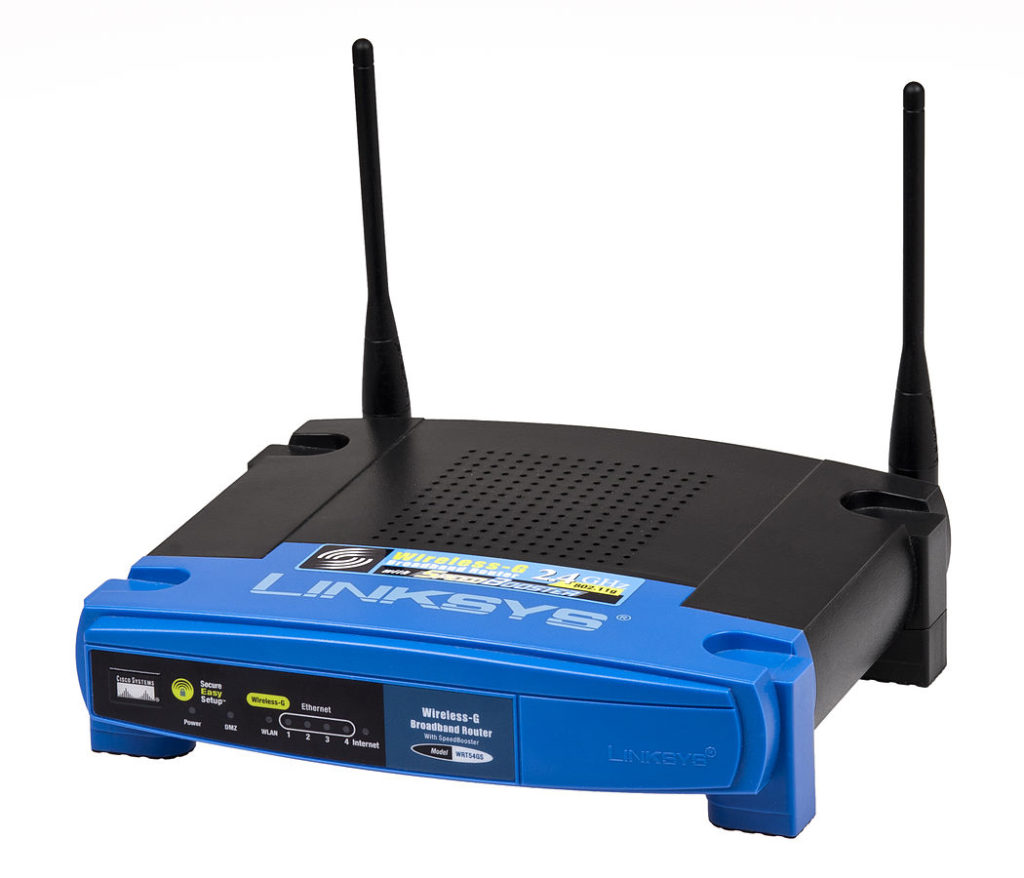
This lack of information drove students online, to sources like The Collegian, Hillsdale Daily News, and even the local Fox 17 station. Combined with more relaxed students who took the cancelled class time to do online homework, the Wi-Fi in the union slowed down.
Way down.
Junior Brendan Noble was in the union during the lockdown and said that, although accessing the Wi-Fi was possible, it was difficult and slow.
“I think communication during a crisis like that is important in general,” he said. “There were basic things like people didn’t know if their classes were cancelled. We had no idea what was going on. It leads to uncertainty where there didn’t necessarily need to be some.”
Without updates from news sources to quash rumors, student speculation ran wild and the union took on a sense of confusion and unease. Students were aware of a threat, but didn’t know what the level of danger actually was. And when they tried to find that out, normal technological capabilities held them back.
Not only does this delay students from getting information from outside sources, but it could also potentially delay security emails or worried texts from friends and family.
“I was trying to go to myHillsdale, trying to get to my email, and it took half an hour,” Noble said.
By not relaying pertinent information up front, administration left students in the dark as to what was really happening. When we tried to find out for ourselves, in order to keep us and our friends safe, technology held us back.
Having disjointed or incomplete information can be detrimental in times of crisis, and students shouldn’t have to rely on outside resources or secondhand information for knowledge about their own school’s lockdown. Even if the school chooses not to provide full details about the crisis, providing more context to a situation would keep internet connection clearer and lead to more open communication.
“As much as it is a problem, and as much as we have slow Wi-Fi around the school, I’m not sure how much the school could do about it. As long as they’re doing everything possible, I think we can’t ask too much more of them,” Noble said. “But when it comes to security and information in general, I think we needed a little more information.”
Ms. Pair is a sophomore studying rhetoric and public address and journalism.
