
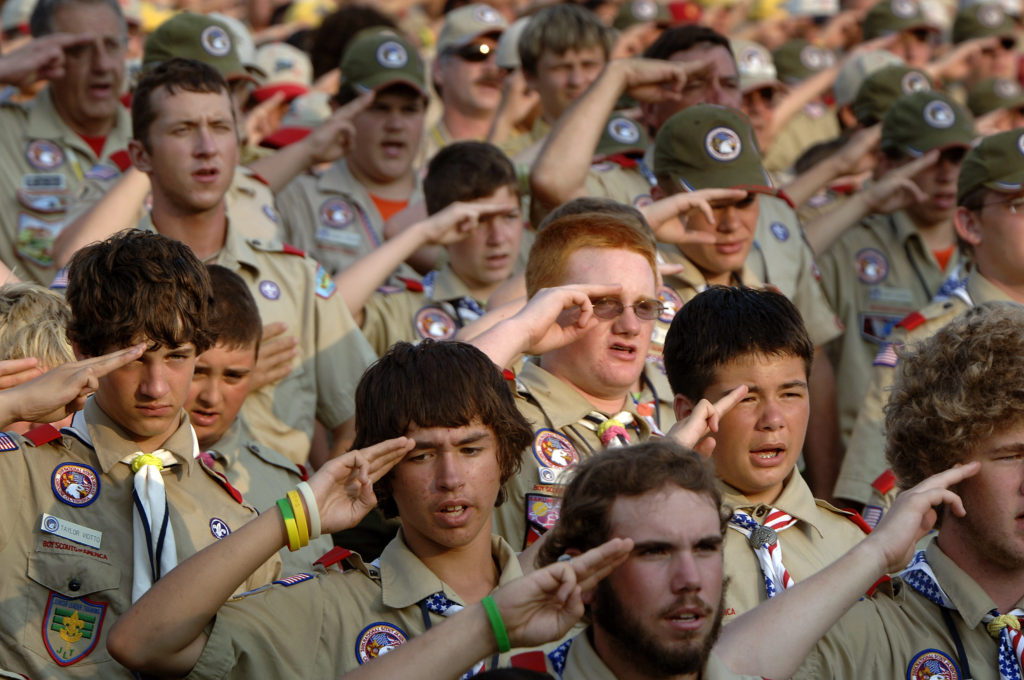
The Boy Scouts of America are struggling. Since 1999, scouting membership has decreased by over a third, or one million boys. Founded in 1910, the program peaked in 1970 with 4.6 million members. This year over 2 million American boys between the ages of seven to 17 participate in scouting. Boys have lost interest in scouting and the program needs to rebrand itself to grow. This was not solved when on Jan. 30, 2017, the BSA voted to end its ban on girls who identified as boys. In fact, it is ridiculous, even from a conservative perspective, that the organization saw fit to include transgender children but not girls.
These membership numbers are important when the organization’s inclusiveness is questioned. It is clear there needs to be a change in how the program markets itself. Maybe it needs to expand its parameters for membership. Or perhaps the American population no longer perceives scouting to be as valuable as it did in 1970.
Whatever the reason, scouting is not mounting a comeback, and its most recent policy change isn’t going to affect it one way or the other. The BSA did not implode when it finally acknowledged the existence of homosexual scouts in 2014. It did not collapse when openly gay leaders were allowed shortly after. It seems ridiculous that sexual orientation would even be a topic of conversation in an organization that focuses its efforts on children. It is a shame these decisions were not made earlier, but it is also sad to see no net positive change in the group’s membership.
While it was ridiculous that gay scouts were suppressed, it is just as absurd that the BSA would admit transgender children. Anyone 14 and older, of any gender or sexual orientation, can participate in Venturing, scouting’s underappreciated co-ed program, along with Sea Scouts and a variety of camp staff opportunities.
These potential transgender members aren’t adults who are fully aware of their decisions, but children who aren’t even old enough to apply for jobs. By the time scouts are developing into men and coming to grips with their sexuality, they’ve almost aged out of the program. Gender dysphoria is not the same.
A 2014 Hastings Research Center study showed that most children with gender dysphoria outgrow it and become homosexual adults, with a minority living as straight adults. The rapid normalization of child gender dysphoria has created more pressure for nonconforming children to continue their gender transition into adulthood.
This decision was a step in the wrong direction, but it hardly warrants the celebration that has followed. Opening the BSA to transgender scouts instead of making it a co-ed scouting movement only reinforces gender stereotypes and tells girls that the toys they play with, the clothes they wear, even the colors they like, could impact how they live the rest of their lives. The BSA’s new policy encourages parents to determine their children’s gender identities before they even reach puberty.
The reaction to this decision has been exaggerated on both sides. Supporters are hailing it as an amazing step forward even though it only affects a tiny portion of grade school children. Outrage from opposition is just as ridiculous because so few are affected.
If this was an attempt to be more inclusive, it has simply exacerbated the issue of childhood gender dysphoria. If this was an attempt to increase numbers, the disgusted withdrawal of many scouters will easily offset the small number of transgender boys who join the Boy Scouts. Had the BSA really wanted to be progressive and overcome its membership struggle, it would have created an adapted version of its program for girls instead.
Mr. Pappalardo is a junior studying marketing management.
