
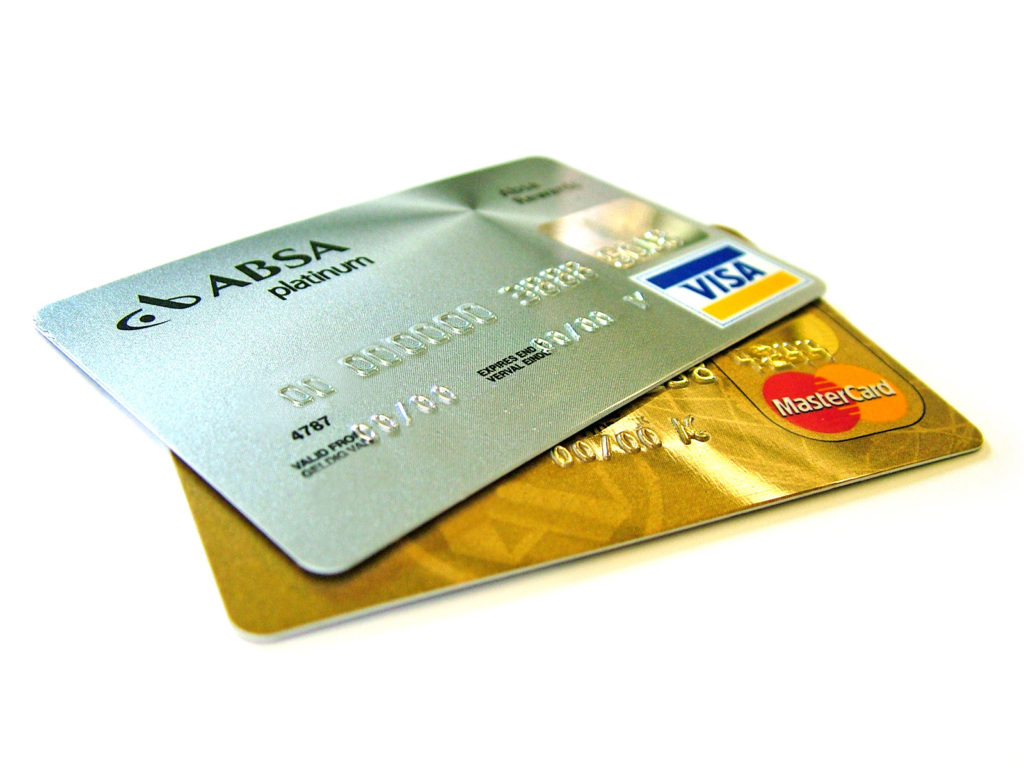
As a burgeoning adult, you’re probably often barraged by credit card companies begging you to take their cards and spend money with them and earn all kinds of exciting rewards that usually involve less cash back than you hoped for. You’re probably aware the latest financial crisis had a lot to do with unpaid credit card debt and mortgages granted to consumers with bad credit, so if you’re on top of your finances, you might be a little wary of using credit cards — as you should be. But building a good credit score is imperative to snagging decent car loans and home mortgages — so you can’t avoid credit cards completely.
Credit cards can make your financial life a breeze or a living hell. The key is knowing what they’re for and how to use them.
If you use a credit card, the most important thing to remember is that the credit limit on your card is a loan to you from the bank, so every dollar you spend you must repay with interest if you don’t pay off the entire balance every month. When you pay off your loan consistently and on time, your credit score rises; if you make late payments, your credit score will drop.
Good credit scores get you the awesome repackaged student loans and reasonable home mortgages. Good credit scores prompt banks and lenders to trust you with bigger and better loans, because you’ve proven you know how to use credit responsibly.
If you view your credit card as a tool for building good credit to get better insurance rates or lower interest rates on loans, then you’re well on your way to making your financial life much easier.
Here’s a few easy ways to build a good credit score with your credit card: first, always pay off your balance at the end of every month. Don’t spend money you don’t have — if you don’t have $40 in your budget to buy a new leather journal, then absolutely do not use your credit card to pay for it. A credit card is a loan, but using it to spend money you haven’t budgeted is a very easy way to slide into debt. If you don’t pay off your balance at the end of the month, then your balance will accumulate interest, and your balance will become harder to pay. With each passing month, you’ll dig your hole of debt deeper and it will become more difficult to climb out.
That’s the second point: make payments frequently, more than once a month if you can (not all credit cards will allow you to do this, some only allow monthly payments). If you pay off your loan every time you borrow, you reassure potential lenders that you’re responsible with money, and that does wonders for your credit score, according to CreditCards.com, a reputable online credit card resource.
Lastly, figure out if your credit card reports utilization ratios. The utilization ratio, which compares your credit limit to how much money you spend on your card, can dramatically affect your credit score. For example, let’s say you have a low credit limit of $500, and you spend $400 every month using the card. That means you have a high utilization ratio, and that could drag down your credit score, according to CreditCards.com’s interview with myFICO.com. If your credit card company reports this ratio, then you should only spend 30 percent of your credit limit every month to be safe and keep the ratio low. If the ratio on your card isn’t reported, then don’t worry about it.
Learning to use a credit card responsibly isn’t difficult, but it’s very easy to misuse it. As long as you’re paying off your balance, not accumulating interest, and only spending money you have, then your credit score will improve and you’ll have a better shot at manageable car loans and home mortgages.
Ms. Patrick is a senior studying history and journalism.
