
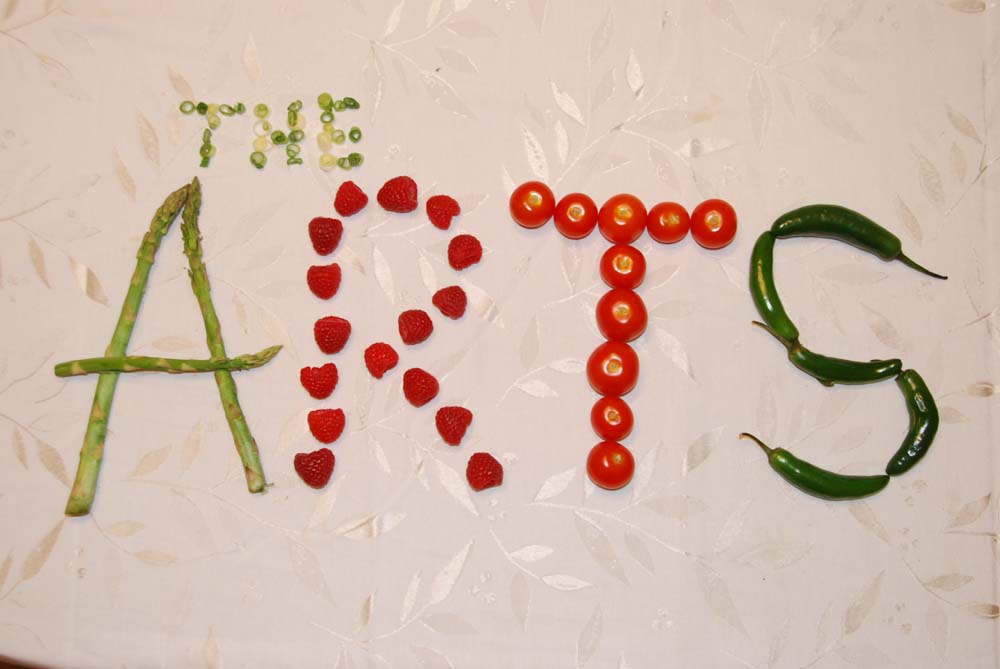
Students develop many of bad eating habits when they get to college. They are constantly stressed and tired, causing them to settle for convenient and processed foods rather than a healthy option. A few changes to a college student’s diet can do wonders for overall health. We need to break habits and incorportate more foods that will boost our metabolisms, increase brain activity, and reduce the effects of stress.
Five bad habits
1. Living in constant dehydration
As college students, we have a natural tendency to forego water for a caffeinated beverage. We end up shooting ourselves in the foot because caffeine dehydrates the body even more. Combating dehydration is the easiest change you can make. It is very simple: Drink more water!
2. Eating late
Ten thirty p.m. rolls around, and the hunger pains begin. Eating late at night disrupts your body’s natural metabolic cycle. Even worse, sleeping right after eating does not allow your body to digest as quickly as it would at a reasonable hour of the day. French fries or a quesadilla at a late hour will convert into a massive glob of undigested fat.
3. Stress eating
Stress plagues college students more than anything else. As a result, we have developed very unhealthy eating habits that emerge mostly during “hell week” or finals week. Men starve themselves, and women binge eat. Both induce the same results: whacked out metabolisms, less energy, and overworked immune systems. There are healthier ways to de-stress. Some options are getting occasional amounts of exercise, taking small study breaks, and eating foods that return your body to an alkaline state.
4. Using the “I’m poor” card
Money, or lack thereof, is not an excuse to eat bad foods. Often the more processed a food is, the more it costs. Also, eating foods in their natural state will keep you full longer. Consequently, you will not have to spend so much money on food because you will not need to buy as much. Here is an example: for the cost of a bag of potato chips ($3.99), you can buy around twelve russet potatoes. Baked or mashed potatoes with the skins on have more potassium than a banana and more vitamin C than an orange.
5. Drinking soda
An average soda contains around nine teaspoons of sugar in one 12-oz. can. Mountain Dew contains 19 teaspoons of sugar in a 20 oz. bottle. That is what you would get from one of the vending machines on campus. Soda also dehydrates the body. Substitute your drink choices with more water. You will feel much better and lose weight in the process.
Five good foods
Cayenne Pepper
No, not straight. Put a little cayenne into your food for a metabolism boost. This spice also aids in circulatory health, including lowering blood pressure.
Rosemary
This herb is very easy to add to your meal. You can infuse your foods with its flavor or sprinkle it on top. Carnosic acid in rosemary helps to improve memory. Researches have also discovered that this herb can also help to prevent Alzheimer’s disease.
Lemon
When we get stressed, our body starts to become very acidic and more at risk for sickness. Ingesting lemon naturally returns our bodies to an alkaline state (this is a good thing) to combat the effects of stress.
Grapefruit
High in fiber and low in calories, grapefruit is a great food to aid in digestion, immunity, and metabolism.
Almonds
Almonds contain a lot of magnesium and are great to increase energy levels. Magnesium plays a vital role in converting sugar into energy. When the body is low on magnesium, we tend to feel lethargic.
—Roxanne Turnbull, Arts Editor
