
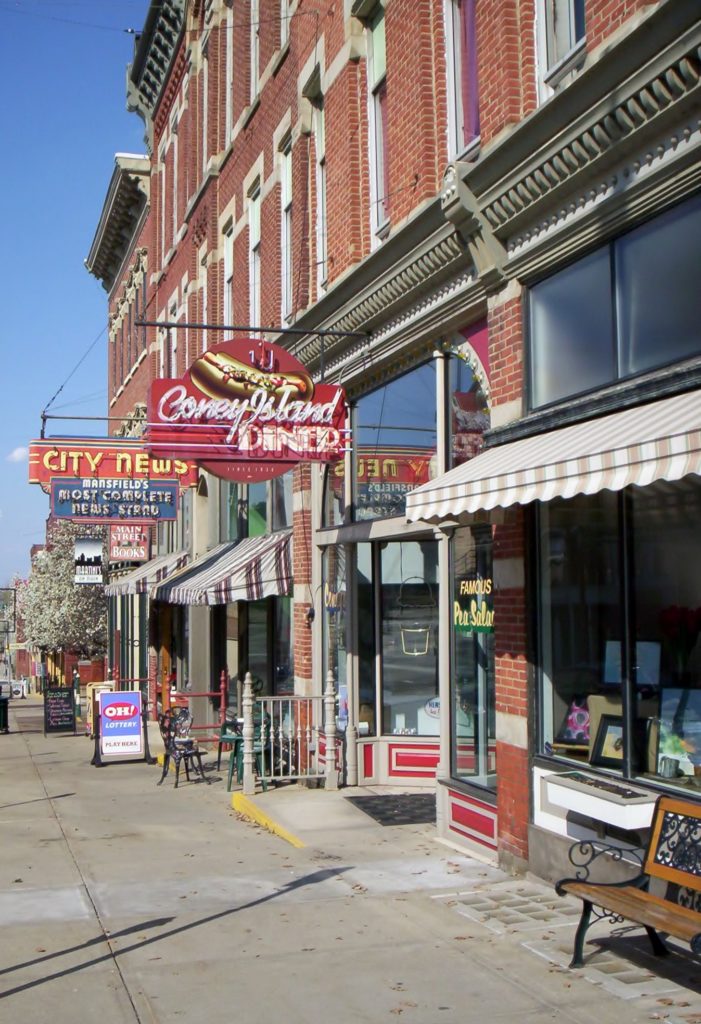
Most people know Jackson, Michigan (if they know it at all) as the birthplace of the Republican Party. But equally important — and tragically overlooked outside of local lore — is the town’s culinary claim to fame: home of the original coney dog.
Okay, yes, yes, you know all about coneys. About the famous rivalry between Lafayette Coney Island and American Coney Island. About the Food Network specials. About how last summer, that stunt writer Charlie LeDuff cleaned the greasers and played The Last Good Man of Detroit in the pages of The Weekly Standard. But Detroit coneys are for tourists.
The Jackson coney is a different — altogether more subtle — tube of meat sloshed in sauce. First conceived by the Macedonian immigrant George Todoroff in 1914, the coney was intended to be a snack for passengers and workers hanging out at the Jackson railway station. Todoroff named his creation after similar-looking hotdogs he had seen while passing through Coney Island in New York, except these new treats also included a now-famous combination ground beef sauce, diced onions, and a strip of mustard — all served on a steamed bun. Todoroff kept his stand open 24 hours a day, and coneys soon became popular throughout the local area.
Meanwhile, the lamps were going out all over Europe — forcing many Greek and Macedonians to flee the Balkan Wars out to the Midwest. Many of these immigrants passed through Coney Island and independently conceived the idea for the coney dog in places as disparate as Fort Wayne, Indiana, and Duluth, Minnesota, where they serve coneys con queso (classic).
The industry chugged along swimmingly until World War II-era rations imposed beef shortages on the home front. The shortages caused many coney stands to cut back on ground beef sauce servings. In Detroit and Toledo, Ohio, some stands turned to serving fried frog legs. But in Jackson, Todoroff innovated, switching to ground beef heart in his sauce instead of the typical ground meat, now reserved for those in the armed forces.
And it was here, through the austerity of World War II, that the Jackson coney — as it exists today — was born. No other city in Michigan (or any other place where people eat coneys) serves the snack with a beef heart sauce. In fact, the anomaly may make Jackson the top consumer of beef heart consumed per capita in the nation — with more than 2,000 pounds sold in coney stands every week, according to a 2014 MLive story on the phenomenon.
So why isn’t the Jackson coney more well known?
Probably because Todoroff retired in 1945. After 31 years of business and more than 17 million coneys sold, the inventor of a Michigan emblem passed the family business on to his sons, who, although restaurateurs themselves, did not preserve the original stand outside the train station.
The Todoroff family does, however, still sell its special “Jackson-style” coney sauce in local grocery stores — much in the same way Grotto Pizza sells its tomato sauce in Delaware supermarkets or how Steak n’ Shake leaves its special seasoning out for a savvy customer to slip into his blazer pocket in South Bend, Indiana.
And of course, the other coney stands in Jackson carry on the storied legacy. There are two still located near the train station, Virginia Coney Island and Jackson Coney Island, both of which serve coneys with a recipe similar to the one Todoroff used. They’re quiet places — good first dates — often bypassed by travellers on I-94.
And even though the men’s restroom in Virginia Coney does not lock, and the faucet water sprays all over your pants — that’s just the way it should be: The Jackson coney is all heart.
