

Jolenta Dangerfield takes orders at Finish Line Family Restaurant. Thomas McKenna | Collegian
Local owners and servers fear Feb. 21 minimum wage hike, new paid leave rules
Several local restaurants plan to raise menu prices if a Feb. 21 statewide minimum wage and paid leave increase takes effect as some lawmakers said Wednesday they were close to a deal to slow the wage hikes.
The changes would increase payroll costs for restaurants. Lisa Slade, owner of Finish Line Family Restaurant, said she is preparing to raise her prices.
“It is forcing us to put a price increase on our menu, and possibly another one within six months,” Slade said. “We will see how things go with the first increase.”
Mitch Spangler, owner of Spangler’s Family Restaurant in Jonesville, said he is already updating his menus. He expects breakfast items will cost 10-15% more, and his payroll will go up 20-30%.
“It’s going to be pretty much straight across the board,” Spangler said.
The state minimum wage is set to increase from $10.33 to $12.48 next week after a Michigan Supreme Court ruling in August. Businesses would also need to provide more paid sick leave benefits for part-time workers.
The new law would also gradually increase the minimum wage for workers who receive tips to match the minimum for other workers, eliminating the difference known as the “tip credit.” Under the current system, if an employee’s total earnings don’t meet the regular minimum, employers must still cover the difference. The lower minimum would jump more than 50% from $3.93 to $5.99 next Thursday.
But local servers told The Collegian the scheduled wage hike would drop their total earnings, since their tips would decrease by more than their wages would increase.
“I think it will honestly discourage tipping across the board,” said Jolenta Dangerfield, a waitress at Finish Line Family Restaurant.
With only nine days until the new wage hikes and paid leave standards take effect, lawmakers are still working toward a deal to soften the blow of the new laws.
“There have been a lot of phone calls, meetings, and internal negotiations going on over the past 10 days to try to come to some kind of compromise,” said John McNamara, vice president of government affairs for the Michigan Restaurant and Lodging Association. “I think the tip credit and minimum wage are in a pretty solid spot. Earned sick time still has a fair amount of work to do.”
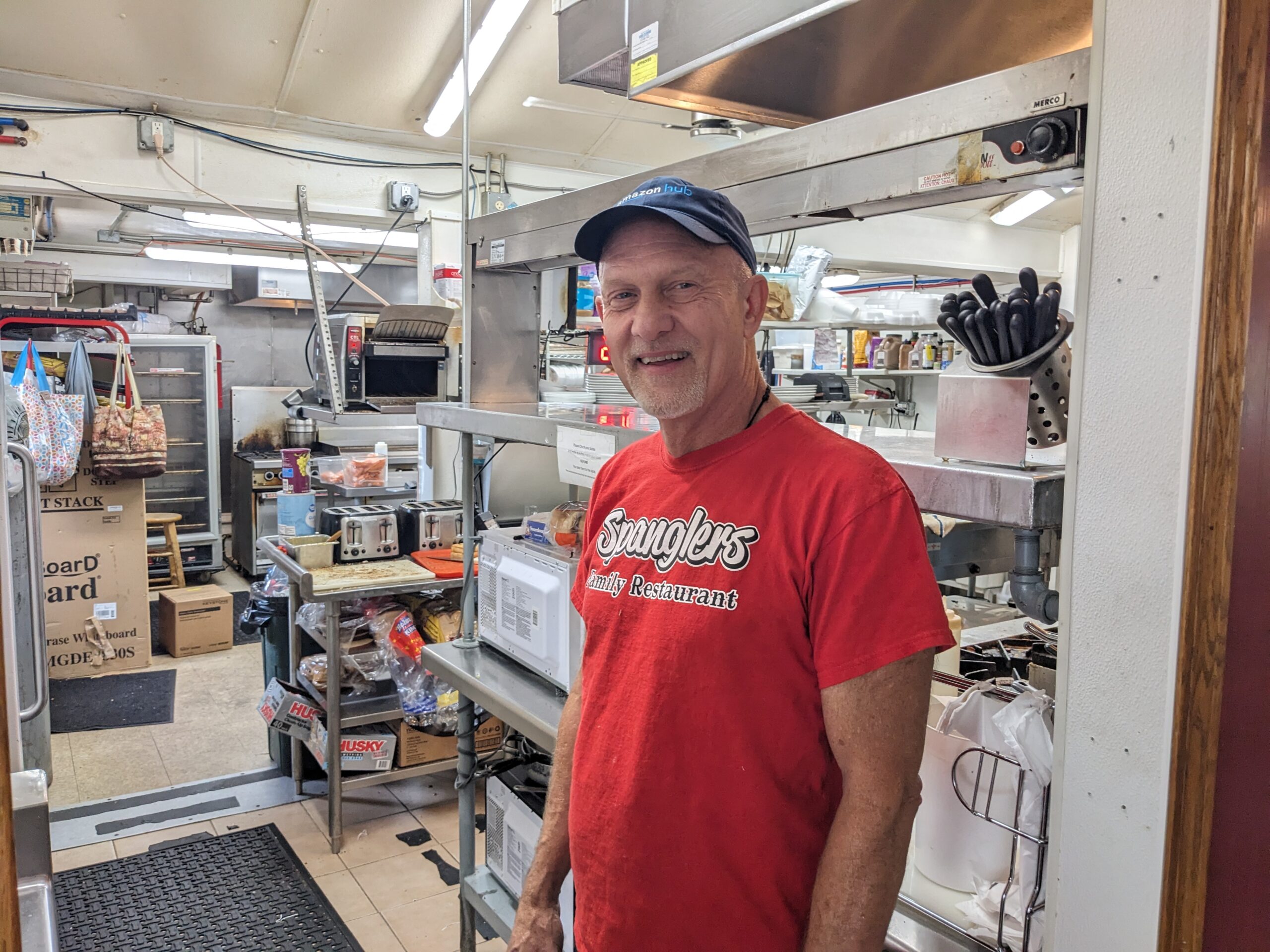
The higher labor expenses would add to rising egg costs. Spangler pointed to a Michigan law that took effect Jan. 1, which mandated all eggs must come from cage-free suppliers.
“Egg costs have doubled overnight,” Spangler said. “Then all the servers’ wages are going up and the other base pay is going up for everyone else. So it’s all got to happen. I’m not locked in on the amounts, but I am updating the menu currently and figuring out where I’m going to start.”
In addition to the minimum wage increases, businesses will be compelled to provide 72 hours of paid sick leave per year, which would require no prior notice or doctor’s note.
Slade called the new paid leave mandate “a small business killer,” and said she thinks the new benefit standards should not apply to businesses with fewer than 50 employees.
“I think it will force small businesses to shut their doors over time,” Slade said.
While lawmakers said Wednesday they are making progress, State Sen. Joseph Bellino, a Republican who represents part of Hillsdale County, said the chances of putting legislation on the governor’s desk by Feb. 21 to stop the changes were “slim to none, and none has a foot out the door.”
“They don’t have the votes in their own caucus right now,” Bellino told The Collegian. “There are 19 Democrats in the Senate. They’ve got only six or seven votes. So they’ve got to get a bill that we like. It’s okay — a little bit — but still bad for Michigan. We’re not going to vote yes on that.”
The Republican-controlled Michigan House passed a bill earlier this month to keep the tip credit but allow the minimum wage for other workers to increase to $12 next Thursday, and then rise gradually to $14.97 in 2029. McNamara said the MRLA supports the Republican House’s bill.
But the bill has stalled in the Democrat-controlled Michigan Senate. Another bill, sponsored by Democratic state Sen. Kevin Hertel, would raise the minimum wage to $14.97 by 2027 — two years earlier than the Republican proposal — then raise the tipped minimum to 60% of the state minimum wage within 10 years.
Hertel said negotiators are “close” to a compromise, according to the Detroit News.
Bellino said many restaurants could be forced to close.
“They’ll cut employees,” Bellino said. “Most of them will stay in business, but they will make changes so that there’s less employees, or less hours and employees.”
Send tips to the City News team: collegiancitynews@gmail.com
