
The Collegian should be proud of its thoughtful and principled editorial on November 14 (“The Weekly: What Happened to ‘Agree to Disagree?’”). If I may reinforce your point: tolerating — and even seeking — genuine political dialogue isn’t just the right thing to do. It makes us all better.
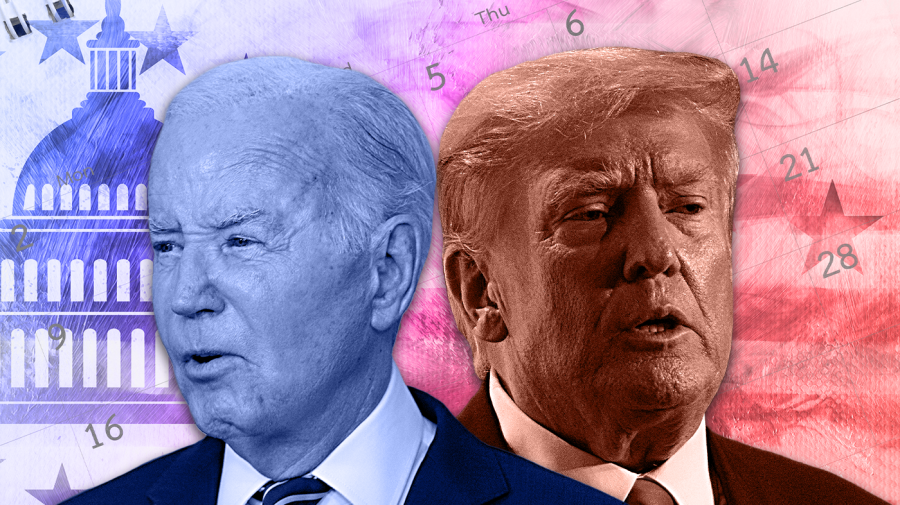
We all know by now that the broad Red (Republican/Trump-supporting) and Blue (Democratic/Trump-opposing) coalitions live in different worlds of news and opinion. Sometimes that creates damaging blindspots. Take two examples from the Blue side. First, many Blue opinion elites memory-holed the shameful, incompetent betrayal of our Afghan allies or blamed it all on Trump’s Doha agreement. Second, for years many of those same elites gaslit the American people about President Biden’s obvious mental decline, bringing political disaster on themselves and leaving the nation virtually leaderless at a dangerous time.
It’s hard to know in advance where the Red opinion elite blindspots will be. One possibility, however, would be not really processing what cruelty “mass deportation” will inflict on millions of undocumented, but otherwise peaceable, immigrant families.
Some deep human need to feel safe within “our group” probably feeds blindspot dynamics. Among the like-minded you can criticize every sin of “those other guys” all day long, but saying anything critical about “us” feels like treason. But it really shouldn’t.
I humbly suggest that we all stop thinking of ourselves as the feudal minions of “our” politician or political party, bound to support all they do and say. For many, elections are tough binary choices. Blue voters don’t necessarily like, or bear collective responsibility for, everything Biden has done or Harris might have done. And Trump voters don’t necessarily like, or bear collective responsibility for, everything Trump has done or might yet do.
Political discussions might go differently if we keep this in mind: Disagreeing can help us by flagging our own blindspots. In the right environment, and with the right people, it might even give rise to an alternative group identity. Instead of feuding Capulets and Montagues, we might see ourselves as fellow citizens engaged in a common project: monitoring our common troublesome hired servants, the politicians. We wouldn’t fear to praise good actions, or criticize bad ones, done by any of them. We lent them our votes: We don’t owe them our minds.
Christopher Martin is associate professor of economics.
