
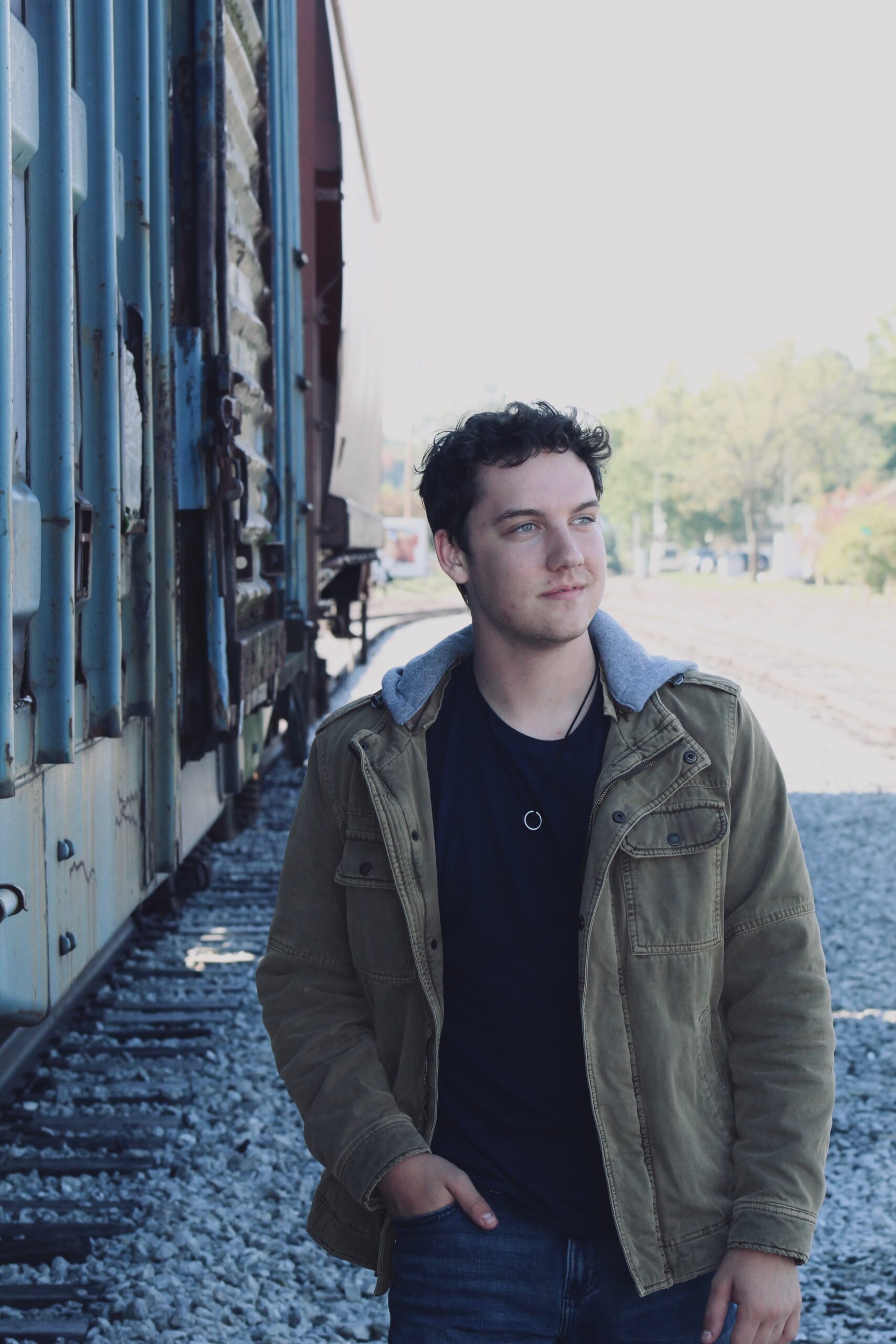
After Donald Trump won the presidential election, sophomore and self-published author Jayden Jelso posted an Instagram reel celebrating the results. Two days later, he was fighting harassment and doxxing threats targeting Trump-supporters on the app.
“I had people basically saying, ‘I hope you kill youself,’ hoping my family and friends burn in hell, just pure hatred,” Jelso said. “It got wildly out of hand, but we still didn’t want to post the names of the people who were doing this. This type of stuff happens online, especially after an emotionally-charged election, and we didn’t want those people to get in trouble.”
A book recommendation account posted a submission box to her Instagram story — a kind of post that disappears after 24 hours — that read, “Snitch on Trump bookstagrammers here so I can make a list for y’all.” Over the next two days, the user posted dozens of screenshots of accounts she suspected of voting for Trump, creating a blocklist — a list of people to unfollow and block to diminish their reach.
“Bookstagram” is a community of readers and writers on Instagram. Jelso is a more prominent member with more than 25,000 followers. He released his first book, a young adult dystopian novel called “Talon,” in February 2023 and plans to publish the sequel, “Magistrate,” in March or April 2025.
Screenshots of bookstagram accounts included Trump followers, posts supporting Trump, and accounts protesting the blocklist. The user included commentary such as “No woman is safe” and “The fear of the price of eggs doesn’t compare to the fear of going to jail for having a miscarriage.”
As the list circulated, Jelso and other creators warned writers about the list and posted the blocklisted accounts so fellow authors could support them. Jelso said conservative accounts gained hundreds of followers..
But the situation escalated with a Google Doc that listed accounts and whether they voted for Kamala Harris or Trump.
And on the second day of the list, creators threatened to dox conservative accounts.
Across the United States, many Kamala Harris supporters advocate ending relationships with Trump voters.
“There is a push, a societal norm, that if somebody is your family, that they are entitled to your time,” Yale University Clinical Fellow Amanda Joy Calhoun said on Joy Reid’s MSNBC show “The ReidOut.” “And I think the answer is absolutely not. So if you are going to a situation where you have family members, where you have close friends who you know have voted in ways that are against you, against your livelihood, it’s completely fine to not be around those people and to tell them why.”
Users on X (formerly Twitter) posted about cutting off family members who voted for Trump, and accounts across multiple platforms told Trump supporters to unfollow them.
“If you voted for Trump, all of your favorite romance, fantasy, and dystopian book characters would hate you,” one Instagram account posted.
After the doxxing threats, Jelso decided to post the original user’s name.
“I was like, ‘OK, I lose followers. Cool. So what if I’m standing for what I believe in? It’s worth it,’” he said. “But once it became an issue of genuine safety, that’s when many of us knew we needed to try to get this account taken down.”
He asked his followers to report her account for bullying and harassment. After his post, the user direct messaged him and said she was doing her best to control the situation and did not appreciate him posting her account name, according to screenshots Jelso gave The Collegian.
Jelso asked her to delete the screenshots and apologize to the bookstagram community for enabling hate messages and potential doxxing.
The user told Jelso and posted on her story that she disapproved of the threats and would take down screenshots if the accounts asked.
But the next day, she posted a screenshot of Jelso’s account and captioned it, “This account has given me reason to feel unsafe in my home. Do with that what you will.”
The user, according to her Instagram bio, is a 35-year-old woman living in Los Angeles.
Jelso told his followers not to respond to the list with hate.
“We wanted to handle this with calmness and kindness,” he said. “We didn’t want to sink to their level.”
The user eventually released a statement on Threads (Meta’s version of X) apologizing for how the situation escalated but standing by her decision to post the screenshots.
“The purpose of the list was solely for quietly unfollowing or blocking, not for inciting harassment,” she said in the statement. “While I cannot take responsibility for others’ actions, I acknowledge the role I may have played in this and will strive to do better. I still believe individuals have a right to know if they are supporting someone who voted against their human rights, and that belief stands firm.”
The day after releasing her statement, she posted screenshots of two more accounts who supported Trump.
Jelso said when he has posted political content in the past — such as his post-election reel — he lost 20–30 followers. After the blocklist, he lost 500 followers. He also received hateful DMs and, along with other authors, was the target of a smear campaign.
Freshman Ava Carlson, an artist and writer on bookstagram, said she discusses politics on her account.
“While my account wasn’t created for politics, I handle topics in my stories and artwork that are inherently political, so sometimes making it clear where I stand on issues is important,” she said.
She said even though she kept her Election Day remarks nonpartisan, she still lost followers.
“You can never please everyone,” she said. “In the end, the people behind these blocklists make up a vocal minority. I have a very politically diverse follower base, and most of them are not hostile to discourse at all.”
Carlson said sometimes a hateful DM turns into edifying discussion.
“I won’t change my beliefs because someone left negative comments or hate, but I’ll never hate that person back for having an opinion,” she said. “There’s a measure of peace you get from that.”
Jelso said he decided to make his account private and take a break from Instagram after dealing with the blocklist and the hate.
“The support has vastly outweighed the hate,” he said. “So many people keep telling me, ‘You got this. Don’t back down. Thank you for leading this.’ And that makes me feel really good, but even still, you don’t realize how hard it hits you until after it’s over.”
Jelso said he did not take the hate personally because he knew it was about Trump.
“I had to keep telling myself these people would never say this in person,” he said. “They’re just angry people, and I still stand by what I said online. The best we can do is just be kind and pray for them, and if they view that as hate, that’s not on us. We can be content with how we presented ourselves even if they don’t see it that way.”