
Thomas McKenna | Collegian
Local restaurants say minimum wage increases would force them to raise prices and reduce employee hours, as lobbyists and state officials including Democratic Gov. Gretchen Whitmer discuss stalling wage hikes scheduled to take effect early next year.
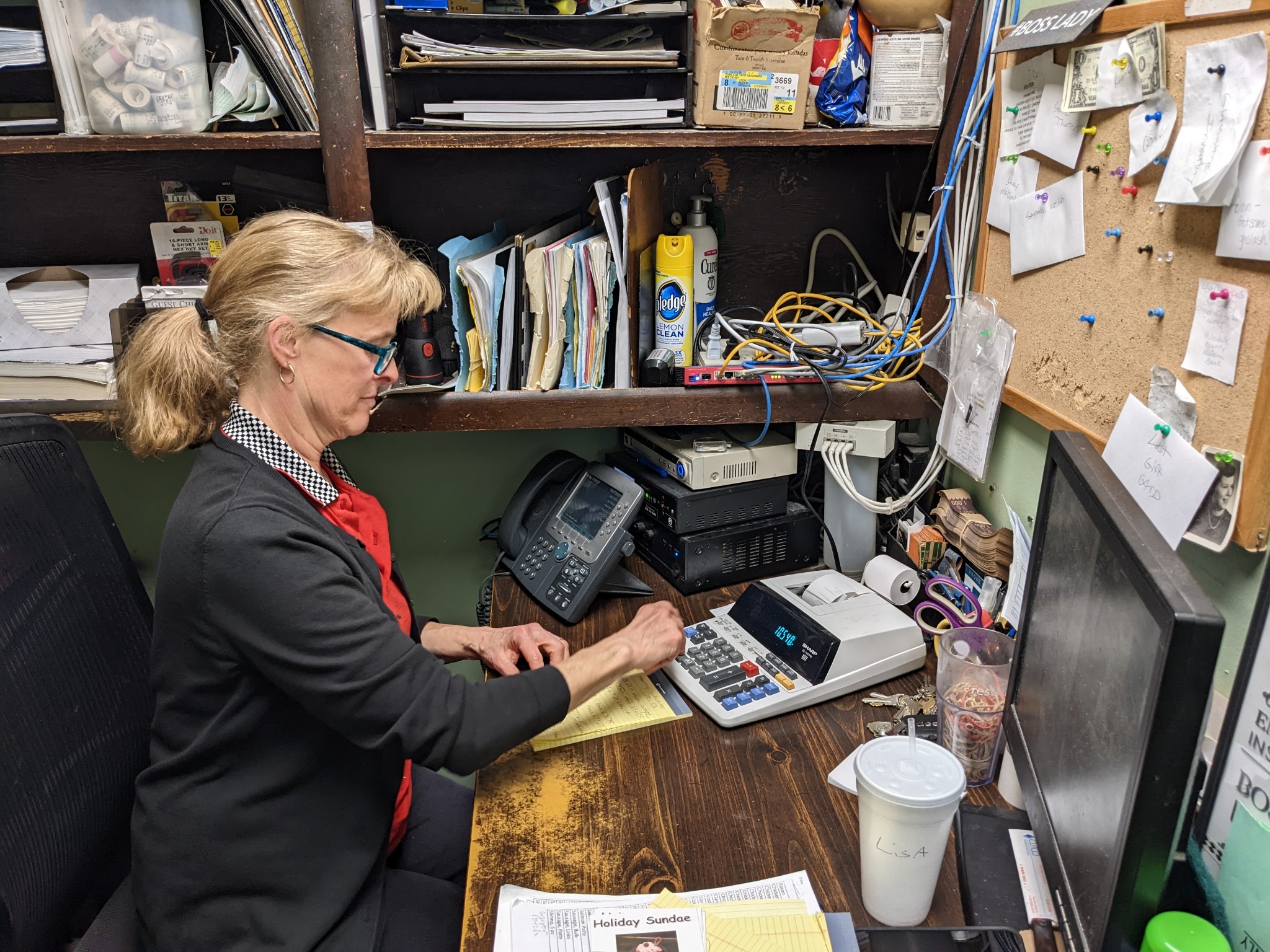
“Everything is on the chopping block,” Finish Line Family Restaurant owner Lisa Slade said. “I just hope it doesn’t go through.”
A Michigan Court of Claims ruling in July scheduled the minimum wage to increase from $9.75 to $12.05, and would increase the minimum wage for tipped workers from $3.75 to $10.85.
Michigan Restaurant and Lodging Association vice president of governmental affairs John McNamara told the Collegian the group is continuing talks with Whitmer to postpone minimum wage increases. Republican state Sen. Wayne Schmidt, of the 37th state Senate district, introduced a bill Tuesday to postpone a minimum wage hike scheduled for Feb. 19 until 2024, and prevent an increase in the tipped minimum wage.
Whitmer said she supports legislation to delay the increases.
“The very employers that the legislature was supposedly trying to help,” Whitmer told the Detroit Free Press in November, “they’ve now put in a terrible position.”
McNamara said the lobbying group would support the bill. McNamara said the MRLA has had conversations with Whitmer and Democratic leadership about passing legislation to delay the increases in the next few weeks.
“Having the governor on your side always helps you out and means a greater likelihood of getting a signature,” McNamara said. “We were encouraged by those comments and have continued to have positive conversations on maybe getting something done here in the upcoming lame-duck session.”
The lame-duck session, or the legislative days between an election and inducting new members, will be a narrow window to pass legislation that delays the increases.
McNamara said he expects only three to four session days before members break for Christmas, though days can be added to the session. He thinks chances of passing any legislation to stall the minimum wage increase are about 30%.
“You have 110 representatives and 38 senators and the governor’s office staff and everyone’s got their own priorities,” McNamara said. “It’s just tough to get anything done with that many people in a limited amount of time. We’ll keep fighting, but it’s definitely an uphill battle.”
Opposition to the bill will come from multiple sides, according to McNamara. He said both Republicans and Democrats will likely vote against the bill.
“It’s going to come from people who don’t believe that you should raise the minimum wage in any way, shape, or form,” McNamara said. “It’s going to come from people who believe Michigan shouldn’t have a tipped wage.”
Maricela Gutierrez, a co-organizing director at One Fair Wage, a nonprofit that collected signatures for a 2018 ballot initiative to raise the minimum wage, said the changes in February must take place to respect workers’ rights.
“We are holding legislative briefings to educate legislators about the need to move to implement the minimum wage as ordered, especially given the staffing crisis,” Gutierrez told the Collegian. “The lieutenant governor has previously expressed that he and Whitmer are both supportive of ending the subminimum wage and increasing the wage, and that the time is now.”
The MRLA commissioned a statewide survey by Lloyd Corder, the CEO of CorCom Inc., a research and communications consulting firm from Pittsburgh, Pennsylvania. The survey found one in six full-service restaurants would close its doors if the February wage changes take effect, and estimated that restaurants would cut as many as 60,000 jobs.
Slade said Finish Line’s payroll would increase almost 20% due to the wage hikes. She said she will need to raise prices and reduce hours for some workers to offset the additional costs.
“That’s a huge jump,” Slade said. “There’s no way that places that have lots of servers are going to just soak that in.”
Jolenta Dangerfield, a server at Finish Line, said she thinks customers would tip less because they know the tipped minimum wage had been increased.
“I think most of the reason we get the tips is because the minimum wage for us is so low,” Dangerfield said. “If you give good service, generally you get a good tip.”
Mitch Spangler, owner of Spangler’s Family Restaurant, said minimum wage increases would expand his payroll 30%.
“We’re all for people making more money,” Spangler said. “But at the same time who’s going to pay for it? The business owners are not millionaires sitting on a ton of money that they can just pay it out.”
Spangler’s General Manager Lindsey Fucile, who has worked in the restaurant industry for 19 years, said the change would raise the restaurant’s expenses as inflation increases.
“It would devastate the restaurants,” Fucile said. “Not just Spangler’s, it’s going to go everywhere in the state of Michigan. All those small mom and pop businesses can’t afford this, especially after Covid.”
Gutierrez said One Fair Wage has found that restaurant owners favor the new changes.
“We have an association of 2,500 restaurant owners nationwide who are calling for policy to raise wages and end subminimum wages,” Gutierrez said. “They are calling for policy that will level the playing field and signal to millions of workers that wage increases will be permanent and it’s worth coming back to work in restaurants.”
The state has taken the Court of Claims ruling raising the minimum wage to the Michigan Court of Appeals, which will hear the case on Dec. 13. The MRLA filed an amicus brief in the case, attempting to prevent the scheduled increase. McNamara said he thinks this isn’t the end of the legal battle.
“No matter what happens in the Court of Appeals,” McNamara said, “I think this eventually ends up being in the Michigan Supreme Court.”
