
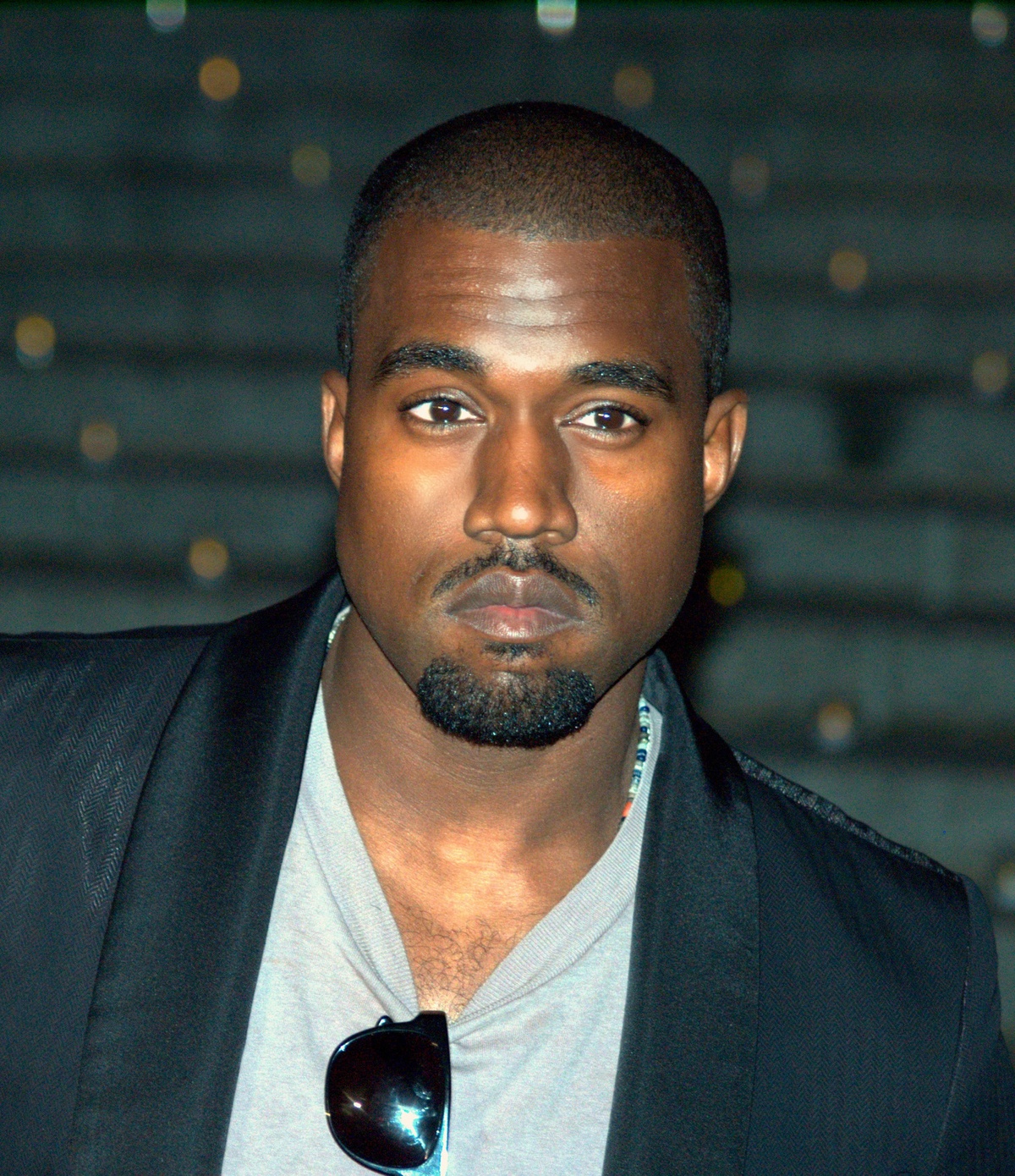
“In 2020, I am running for the president of the United States.”
It wasn’t Joe Biden, nor incumbent Donald Trump, who said this at the 2015 MTV Video Music Awards. It was rapper Kanye West — and he kept his word.
This past Fourth of July, West announced in a tweet, “We must now realize the promise of America by trusting God, unifying our vision and building our future. I am running for president of the United States … #2020VISION.”
Since then, West has acted on his pledge. He sat for a Forbes interview about his presidential bid, he held a campaign rally in South Carolina, and he’s even made his way onto the ballot in the states of Arkansas, Colorado, Iowa, Minnesota, Oklahoma, Tennessee, Utah, Vermont, Virginia, and West Virginia.
Many pundits have claimed that West started his bid in order to divert some Black American votes from Democratic nominee Joe Biden. In his Forbes interview, West alluded to this, saying, “I’m not denying it, I just told you. To say that the Black vote is Democratic is a form of racism and white supremacy.” However, he did say he is taking off the red ‘Make America Great Again’ hat for now.
West has also shown his distaste for Biden, explaining in the same interview: “I was threatened as a Black man into the Democratic party. And that’s what the Democrats are doing, emotionally, to my people. Threatening them to the point where this white man can tell a Black man if you don’t vote for me, you’re not Black.”
Although media outlets have attempted to write off West’s controversial opinions as the result of bipolar disorder, his public appearances and statements could prove monumental for the Black community.
Sure, there’s no way he could actually win, but the platform he provides for forgotten Black voters — who are concerned for their communities, hold a faith underrepresented by the Democratic Party, and care about the well-being of their children — could be a way to correct long-lasting misinformation and disempowerment. West’s platform is truly a movement that allows the Black community to break free from the assumption of voting Democrat.
West released his Kanye 2020 platform through a website that details 10 key issues, all based in Scripture, that he’ll focus on in his presidential agenda. Some of his key issues include promoting prayer in classrooms, legal justice reform, and an “America First” foreign policy that resembles that of the current administration.
One key matter that’s not mentioned on West’s website, but is a regular point of discussion at his public events and on his Twitter, is the matter of abortion.
At West’s South Carolina rally on July 19, he began weeping as he yelled, “I almost killed my daughter!” Although the crowd shouted back with words of encouragement, media outlets attempted to label his distress as a mental health issue. But perhaps West’s platform on pro-life rhetoric goes deeper than a bipolar episode.
Many African Americans have accepted abortion as a solution for unwanted pregnancies without discussing the emotional and traumatic effects it can have, such as broken homes, suicide, and depression. West even tweeted on July 31, “Over 22,500,000 black babies have been aborted over the past 50 years.” According to census data and general estimates, this number is not an exaggeration. As West suggested, one should be deeply grieved over the thought of aborting a child.
In response to those who are supposedly concerned about his mental health and claim his views are irrational and emotional, West tweeted, “I cried at the thought of aborting my first born and everyone was so concerned about me … I’m concerned for the world that feels you shouldn’t cry about this subject.”
Something this forthright about the nature of abortion has rarely been discussed by such a renowned, particularly African American, celebrity as Kanye West. And while West has said plenty of crazy and often not politically correct things, he has never been publicly shamed to the point of woke ‘cancellation.’ His music is too good and his fans are too loyal.
But perhaps the immortal nature of West’s career will be a positive force for the pro-life movement. Normalizing the idea that abortion is the equivalent of murder could actually save Black Americans from being susceptible to politicians who encourage Planned Parenthood funding and uphold Roe v. Wade in the name of feminism, women’s sexual liberation, and health, while actually making provisions for human termination.
For example, this past summer, media outlets like USA TODAY and The New York Times published pieces detailing the racist roots of Planned Parenthood. For the first time, mainstream media discussed the fact that founder Margaret Sanger wrote explicitly racist letters and statements to friends, even saying at one time to Dr. C.J. Gamble “We don’t want the word to go out that we want to exterminate the negro population.” This was the mission of Sanger and her colleagues, and they began implementing Planned Parenthood into minority neighborhoods to accomplish their goals.
For decades, discussing the history and founding purposes behind Planned Parenthood has been considered taboo. But now, with mainstream outlets and someone as prominent as West beginning the discussion about the evils of abortion, perhaps Black Americans will have an opportunity to see where systemic racism truly remains and is encouraged today.
A House of Representatives policy report from 2011 titled “The Effects of Abortion on the Black Community” echoes these sentiments, stating, “Blacks who cry in desperation for political change must recognize that the majority of their civic leaders support policies which destroy their future constituency.”
As West raises awareness about institutions such as Planned Parenthood that attack his very own and have done so as long as they’ve been in existence, there may be a real awakening for those who have considered Planned Parenthood to be a friend, and even savior, for minority communities.
West’s campaign may fail, but for the pro-life movement and Black community, Kanye 2020 is already a victory.
Isabella Redjai is a senior studying political economy.
