
Imagine you and your brother have $5 to buy candy. He wants Tootsie Rolls and you want Oreos. You argue about what to buy. Suddenly you realize, “Why argue? Let’s buy $5 of each!”
Unfortunately, life does not work that way. You cannot buy $10 of candy with $5. Similarly, you cannot increase the budget deficit by at least $150 billion a year when you already have a $20 trillion debt. Yet that is exactly what Congressional Democrats and Republicans did by voting early Friday morning to massively increase defense and domestic spending without having the money to do it.
In an example of Washington compromise at its finest, both sides averted their gaze and pretended that the debt was some magic number with no meaning. In doing so, Congress crushed the already-minimal chances of averting future bankruptcy.
Republicans are especially culpable in this situation. For decades, Republicans opposed increasing deficits when Democrats were in power. They yelled about the unsustainability of our fiscal path and the inevitable bankruptcy that would result from trillion dollar deficits.
But with Republicans controlling all three branches of government, those very same leaders pushed the United States further down the same path, fully aware of their actions. Republicans are either knowingly harming the United States or have suffered some mysterious concussion-induced amnesia en masse.
Adding to the shameful content of the bill is the manner in which it passed. Twenty-four hours before government funding was set to elapse last week, congressional leadership produced a seven-hundred page bill. Transparency in the democratic process was not even extended to elected officials, let alone constituents.
The bill had massive implications, but no one had time to read it, let alone debate it. Yet because the bill was introduced so close to the funding deadline, Senate leadership demanded an immediate vote.
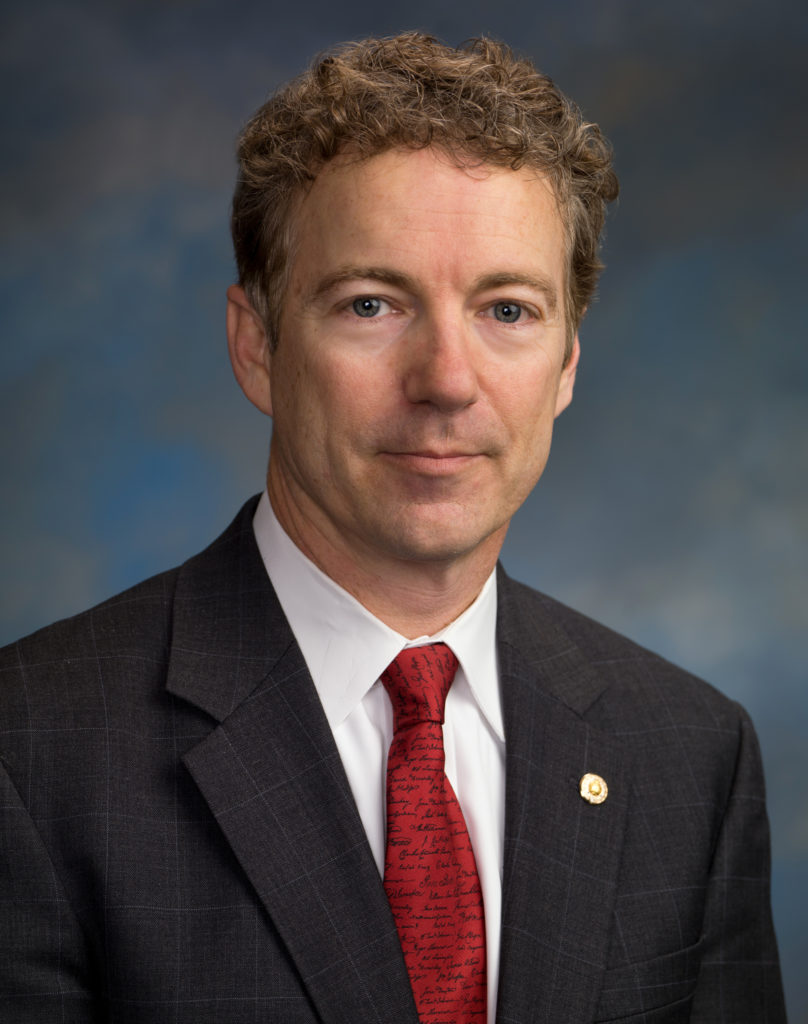
When Senator Rand Paul, R-Kentucky, pushed for discussion and amendments to the spending bill, leadership from both parties excoriated him for risking a government shutdown. Republican leadership wrote the bill in secret then introduced it at the last second to stifle discussion.
Senate leadership told Paul that it was not the right time for discussion. When was the proper time to discuss spending increases? No one in Congress wanted to have the discussion, and no one wanted to take responsibility for passing the spending increases. To hide their responsibility from the American people, Congress tied spending increases to averting a government shutdown and rejected Paul’s appeal for a seperate vote on raising spending caps to protect members from political responsibility.
Our generation will be left with the consequences of this spending bill. While the current leaders will retire, it is our services that will be cut and our taxes that will be raised. The United States military has always claimed it is underserved, yet it buried its own report about $125 billion in bureaucratic waste — after already spending more than the next eight countries combined. That same military will receive a $165 billion spending increase over two years that will finally bring it the resources it lacks.
What specifically the military lacks, and what it needs the money for, is, of course, not a germane topic for our elected representatives. Later, when the United States is forced to default on its debt, we will truly face a threat to national security — we will lose the ability to maintain a military because we will not have the money to pay for one.
Congressional action shows a complete disregard for basic financial reality because it’s politically expedient. However, we must now face the challenges that the future promises.
David Schwartzman is a senior studying applied mathematics and economics.
