
On Sept. 8, 1960, Alfred Hitchcock shocked the world with “Psycho,” one of the greatest masterpieces in the history of horror. It was the first film ever to use fake blood, and its scare-factor was rooted in a boldly crafted atmosphere.
Since “Psycho,” the horror genre has evolved. From the first “Halloween” movie to “The Exorcist” to “The Silence of the Lambs,” film directors have striven to balance high-intensity scares with quality entertainment.
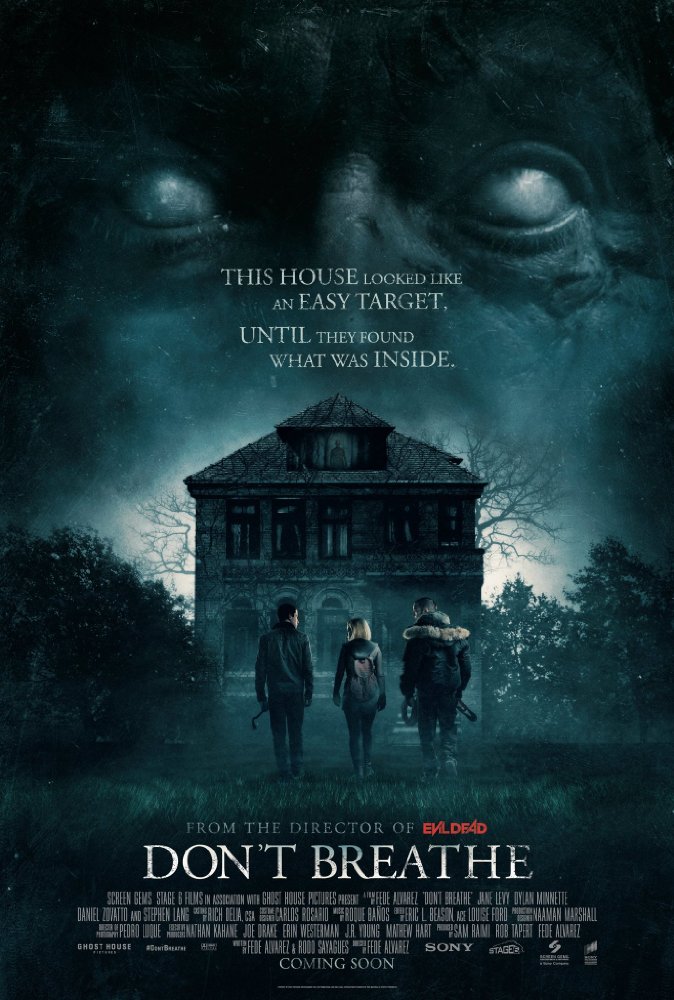
The horror film “Don’t Breathe,” released August 25, 2016, has been heralded as a remarkable take on the horror genre. Under the guise of a foolish home invasion, “Don’t Breathe” smartly balances well-executed suspense with twists sure to leave audiences on the edges of their seats.
The story seems simple enough: a group of three teen goons break into an old blind man’s house to steal the man’s cash. What could go wrong?
This simple premise is the first act of genius by the film’s directors because the audience is lured into the plot and then thrust into the rapids of true-to-life terror. The film’s set, reminiscent of Jack Gordon’s house in “The Silence of the Lambs,” fills viewers with a feeling of ceaseless panic.
Because most of the film occurs within the lightless house, one would expect that after a while, the scenes would begin to be repetitive. But this never happens. With every passing moment, audiences are presented with a new scene filled with chilling features, the most striking of which is the house’s basement.
Second, the film’s antagonist, known simply as “the blind man,” is the perfect match with the set. The teens quickly realize that they broke into the house of a dangerous psychopath who will use any means necessary to eliminate his enemies and protect his secrets. This heightens the film’s tension and suspense to glass-shattering levels, since it is never clear what the blind man will do next. Though the audience experiences waves of relief when the protagonists are about to escape through the basement, this feeling is swiftly choked when the exit’s hatch is thrown open by the weapon-wielding blind man.
“Don’t Breathe” distinguishes itself from other horror films with its plot twists. Many horror movies have sub-par, cheesy, and ridiculous plots that add nothing to the cinematic experience, sacrificing quality for the quantity of jump-scares and sinister musical interludes.
The film does rise above these other less credible horror plots. Instead of a jump-scare every five seconds, films such as “Don’t Breathe” strive for meaningful scares, well-crafted story lines, and unexpected frights.
While “Don’t Breathe” succeeds with its atmosphere, its antagonist, and its unique plot, the film succumbs to one stereotype of the horror genre: foolish and unintelligent protagonists.
Viewers know from the second the movie begins that there is no reason to invest emotionally in the teens. When they first encounter the blind man in his home, they choose to do nothing while one of their friends is brutally murdered. While shock is one rational explanation for such behavior, this explanation quickly loses its believability once the teens continue to react with cowardice throughout the film. This is frustrating to audience members because the teens are given ample opportunity to shoot, stab, bludgeon, bind, or even drown their attacker, but choose not to.
“Don’t Breathe” is a gruesome and disturbing interpretation of a home invasion gone wrong. Despite its faults, the movie is sure to shock and disgust viewers who witness the potent evil and mystery that lies chained in the old blind man’s house.
