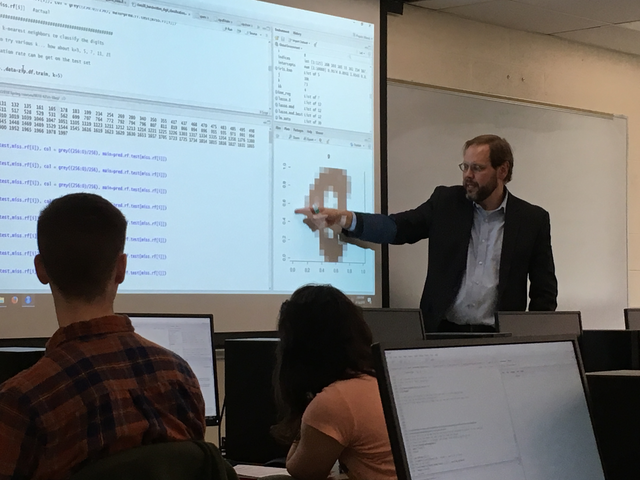
Approximately 120 students on campus have worked on coding projects or used computer programming in one of their classes over the last two years, according to mathematics department chairman Thomas Treloar. “Over the last two years, we are easily serving a larger number of students with programming opportunities than at any other time in the 15 years that I have...

Science and Tech

Physics department brings back cosmology, meteorology classes
The physics department is bringing back two space-related classes in the fall. Cosmology, taught by Assistant Professor of Physics Ryan Lang, will cover the history of the universe. Associate Professor of Physics Paul Hosmer will teach Meteorology, the study of weather. Neither course has been taught for several years. The department is bringing back the courses to encourage an...

Students volunteer at alligator sanctuary
Hillsdale College students experienced the swamps of the southeastern United States in the heart of southern Michigan on Saturday. Sixteen students and two faculty members from Hillsdale College visited Critchlow Alligator Sanctuary in Athens, Michigan. Jeffery VanZant, associate professor of biology and faculty adviser to the Pre-Veterinary Club, received an invitation a couple months ago from the owner of...
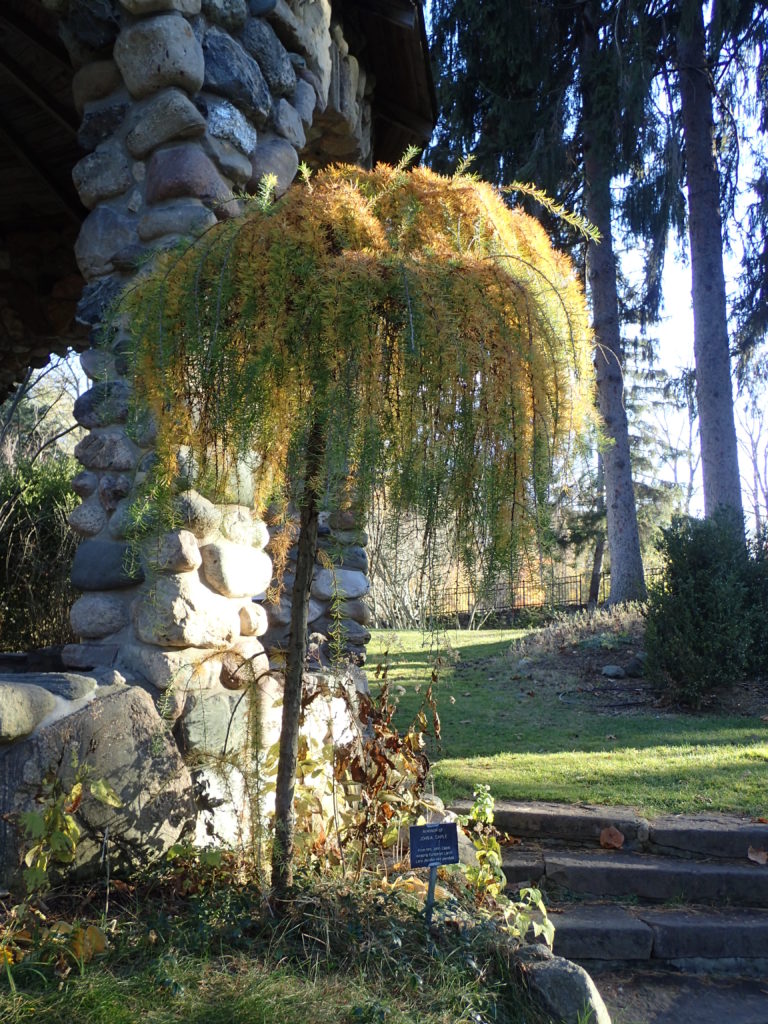
Spring brings ‘fireworks’ blooms in arboretum
Like pieces gathered into a collection of art, the Slayton Arboretum has dozens of different trees in its collections. Hillsdale is home to many interesting trees, including three special tree collections: the witch hazel, the lilac, and the magnolia. “I try really hard not to have a monoculture here to avoid the diseases,” said Angie Girdham, the campus horticulturist....

Applied Math Club trains students in data analysis and programming
How can email use an algorithm to sort out spam? How can a math model predict traffic flow changes with the introduction of self-driving vehicles? How can data analysis help states to create a renewable energy plan? The Mathematical Contest in Modeling puts to work everything on which the Applied Math Club has focused since September, when the...
Student examines link between ticks and disease
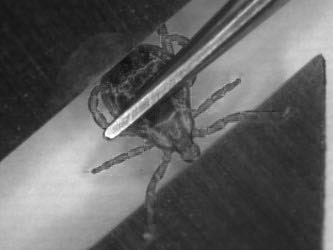
Ticks stopped bothering senior biology major Randi Block after she had to collect and crack them open for a year’s worth of research. Block studied the American dog tick as a carrier of rickettsia, a pathogenic bacteria that causes Rocky Mountain Spotted Fever. Even though she said ticks disgusted her at the beginning of the project, she still decided to...
Water regulations affect California conservation
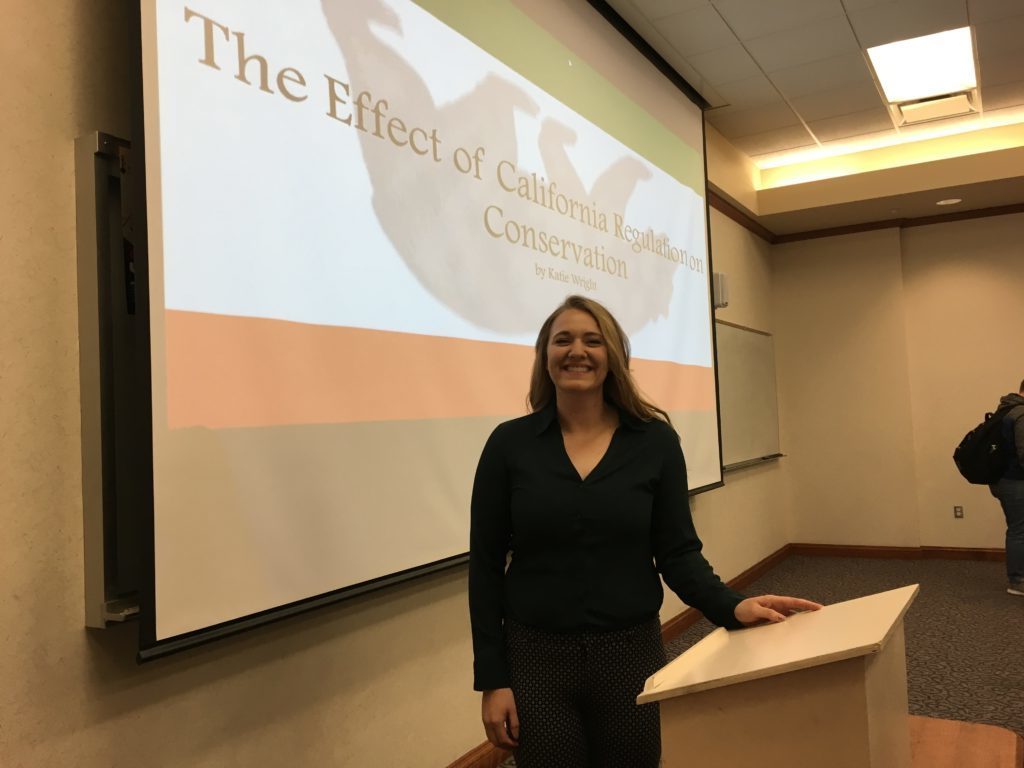
Too often, governmental regulation forces a decision between the environment and the economy — but that doesn’t have to be the case, according to senior Katie Wright, who gave a lecture about California’s water regulation system March 29. Wright said the environment is considered a public good, since one person’s consumption doesn’t affect another’s consumption. “After all, if you don’t...
Professor’s research chronicles lions’ genetics
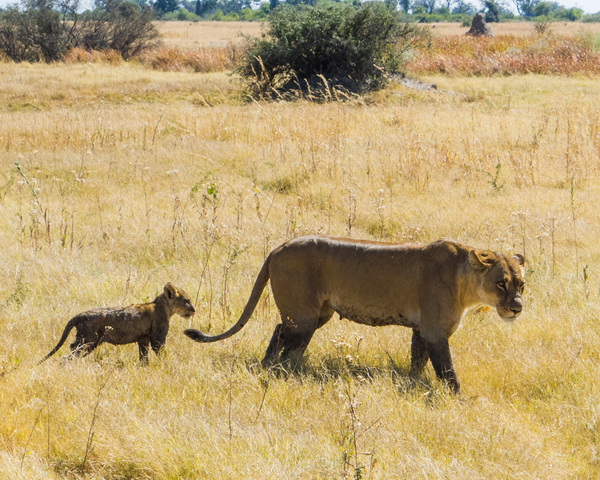
Many scientists believe that the next generation will be the last to see lions in zoos, according to Professor of Biology Daniel York. York studied the genetics from rare breeds of captive lions, retrieving blood samples over his 11 years of conservation genetics research. Working alongside Henry Doorly Zoo in Omaha, Nebraska, York developed an interest in the inbreeding and...
Fisk Museum adds tortoise, ‘hog-like’ oreodont
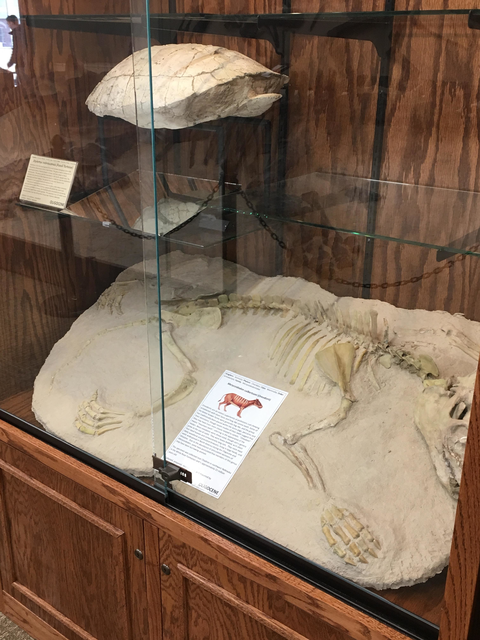
Two new fossils are on display at the Daniel M. Fisk Museum of Natural History. These latest additions to the museum are a “hog-like” oreodont and an ancient tortoise, both approximately 33 million years old. The oreodont, nicknamed “Bingo,” contains approximately 30 percent real bone, Professor of Biology and museum curator Anthony Swinehart said. Swinehart found both the tortoise and...