
Courtesy | Unsplash
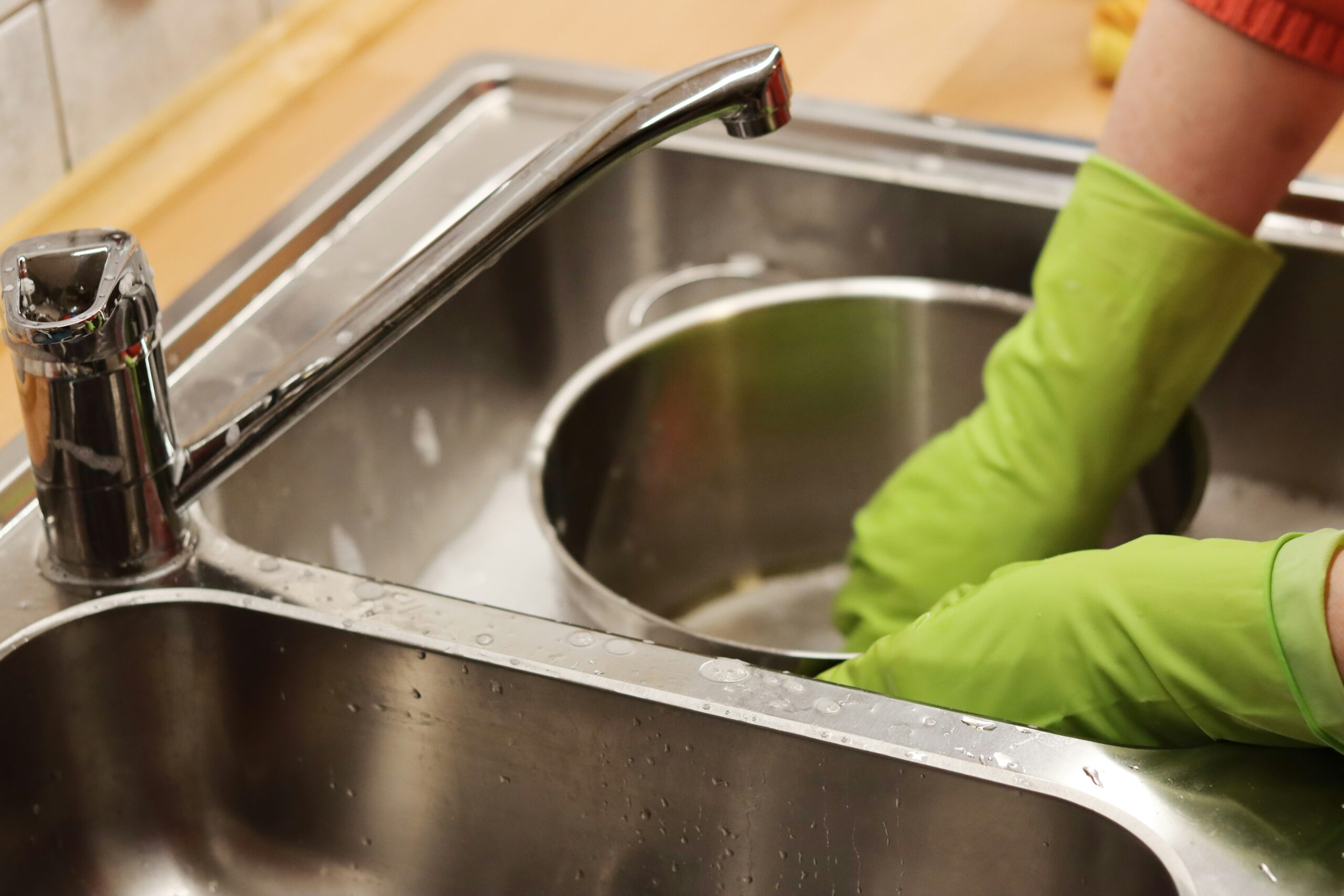
In 20 years, will you have to do the dishes?
It’s a legitimate question. Developers of artificial intelligence seek to liberate us from mundane work of all kinds: skimming long documents, drafting endless emails, and constructing study guides. Currently, AI’s capabilities are largely non-physical — but that will change.
In an eerie, viral moment, first lady Melania Trump strode into the East Room of the White House last month alongside Figure 3, a humanoid robot she praised as the future of childhood education.
“Very soon, artificial intelligence will move from our mobile phones to humanoids that deliver utility,” Trump said.
According to Trump, Figure 3 could spare us the trouble of teaching multiplication tables and world languages to squirrely, snotty schoolchildren — supposedly freeing adults for higher concerns.
Last year, the NEO home robot hit the market. For a mere $500 per month subscription, the AI-powered robot can act as your personal, camera-eyed housemaid.
“NEO takes on the boring and mundane tasks around the house so you can focus on what matters to you,” the website proclaims, “creating space for us to enjoy our time at home, instead of coming home just to do more work.”
One of AI’s main selling points is this message of liberation, which presumes that mundane work stands between us and a happier, more dignified life.
We should be skeptical.
By many accounts, Americans have more free time than ever before. But what do we do with it? A 2024 survey by Harmony Healthcare IT found that Americans spend an average of five hours and 16 minutes a day on their phones. Gen Z spends an average of six hours and 27 minutes. “What matters to you” is, for many Americans, more time with their screens — a leisure that often doesn’t encourage rest or creativity.
Chores wrench us from our screens, forcing us to make a tangible contribution to the real world, one which often benefits others. They’re often unpleasant. But so are many of the best things in life.
Work is good in itself. And work is good for us.
Simple, repetitive tasks allow our mind to wander while our body labors, an enduring source of curiosity, creativity, and introspection. Physical work reminds us that we aren’t brains in a vat but embodied beings. Adding friction back to our lives makes us more patient, more deferential, more human.
Do boring things. Scrub the dishes, reorganize your room, or fold your laundry without a playlist or podcast to fill the silence. Let your mind roam. Who knows — you might turn into a better writer, musician, or entrepreneur for it.
In fact, find more chores to do. We at Hillsdale work with our minds all the time. Like Samuel Sadler reminded us in his April 2 Collegian article, “Don’t kick your ox into the pit,” students need to Sabbath with their hands. Your roommate will probably be grateful when you voluntarily clean the bathroom.
Reject AI’s intrusion into mundane work. You needn’t be a ChatGPT teetotaler, but you should develop a habit of scrutinizing its advances. By the time Figure 17 arrives to teach little Jimmy’s kindergarten classroom, you need to be the kind of parent who can say no — and defend yourself.
So get lost, NEO. I’ll be doing my own dishes.
Caroline Kurt is a senior studying English.
